




























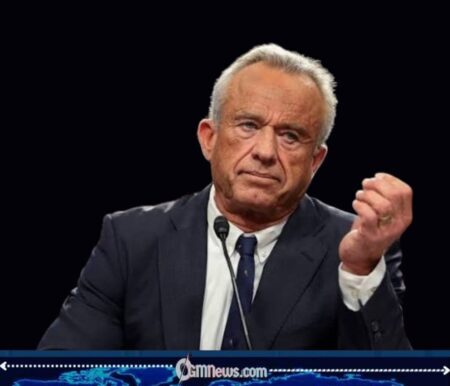
RFK Jr. has introduced a new plan aimed at helping Americans gradually reduce their reliance on antidepressant medications, reflecting his broader stance on questioning mainstream medical systems, promoting alternative and holistic health approaches, emphasizing environmental health, advocating for government transparency, and prioritizing personal freedom in healthcare decisions. The proposal highlights his long-standing criticism of pharmaceutical influence while encouraging a shift toward therapy, lifestyle changes, and preventative care as part of a more patient-centered model of mental health treatment.
The announcement arrives at a time when mental health remains a major focus in public policy, with increasing awareness of both the benefits and limitations of pharmaceutical interventions. Antidepressants continue to play a crucial role in managing conditions such as depression and anxiety, yet conversations around long-term use, dependency, and complementary therapies have become more prominent.
RFK Jr.’s initiative has therefore sparked widespread discussion among policymakers, healthcare professionals, and the general public, bringing renewed attention to the balance between medical innovation, patient autonomy, and evolving approaches to mental health care.
UNDERSTANDING ANTIDEPRESSANT USE AND LONG-TERM DEPENDENCE
He has raised concerns about the long-term reliance on antidepressant medications, suggesting that some individuals may benefit from alternative approaches that address root causes rather than symptoms alone.
Antidepressants are widely prescribed and have been effective for millions of people, particularly when used as part of a comprehensive treatment plan that includes therapy and support systems.
However, discussions around withdrawal effects, dependency risks, and individualized treatment strategies continue to shape how these medications are viewed in both medical and public spheres.
HIS POLICY APPROACH TO MENTAL HEALTH
RFK Jr. has framed his proposal as part of a broader effort to transform mental health care by expanding access to non-pharmaceutical options and encouraging more personalized treatment pathways.
His plan includes increased investment in therapy services, community-based programs, and research into alternative treatments that may support long-term recovery and resilience.
RFK Jr.’s approach reflects a growing interest in integrating multiple forms of care rather than relying solely on medication as the primary solution.
RESPONSE FROM MEDICAL EXPERTS AND PUBLIC HEALTH COMMUNITY
His proposal has generated mixed reactions, with some experts supporting the emphasis on holistic care while others caution against minimizing the importance of medications that have been scientifically validated.
Healthcare professionals continue to stress that treatment decisions should be individualized, taking into account each patient’s unique needs, medical history, and professional guidance.
The debate illustrates the complexity of mental health care, where no single approach fits all individuals and where evidence-based practice remains essential.
RFK JR. AND PUBLIC PERCEPTION
RFK Jr.’s visibility has amplified public conversation around mental health, encouraging individuals to reconsider their own experiences with treatment and explore a wider range of options.
RFK Jr.’s messaging has resonated with some groups who are seeking alternatives to traditional medical approaches, while also drawing criticism from those who emphasize established scientific consensus.
RFK Jr.’s role in the discussion highlights how public figures can influence awareness and shape broader societal conversations about sensitive health issues.
FUTURE DIRECTIONS IN MENTAL HEALTH POLICY
The proposal contributes to an ongoing national dialogue about how best to address mental health challenges in a way that is both effective and inclusive.
Experts suggest that future policies will likely focus on combining medication, therapy, and lifestyle interventions to create more balanced and sustainable treatment models.
As discussions continue, the emphasis remains on ensuring access to safe, evidence-based care while also exploring innovative approaches that support long-term well-being.


Logging in is a breeze and the site stability is amazing even during peak hours....