











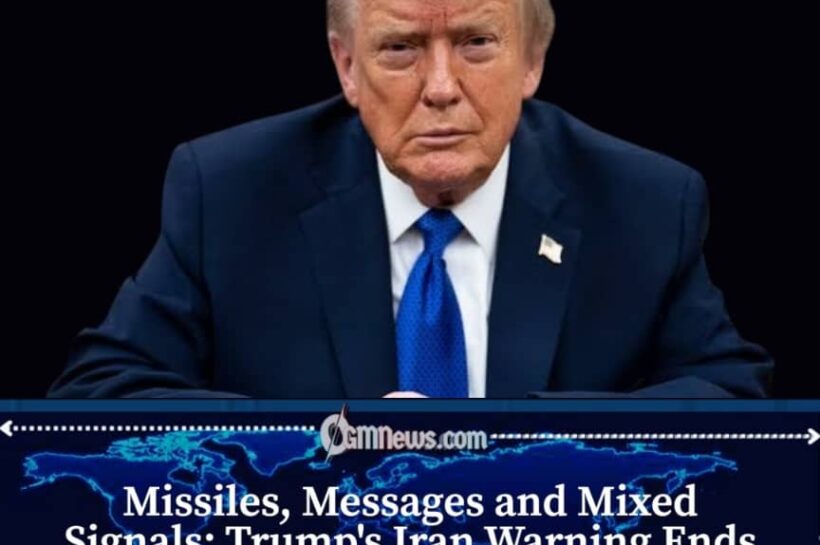


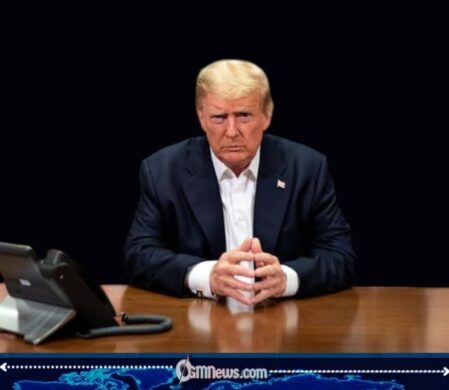
The United States entered a fresh phase of Middle East diplomacy on Saturday after President Donald Trump, currently serving his second term as U.S. president, confirmed that he is reviewing a newly submitted peace proposal from Iran. The development comes amid continued military pressure in the region, including reported Israeli strikes in southern Lebanon, underscoring the fragile security environment surrounding the negotiations.
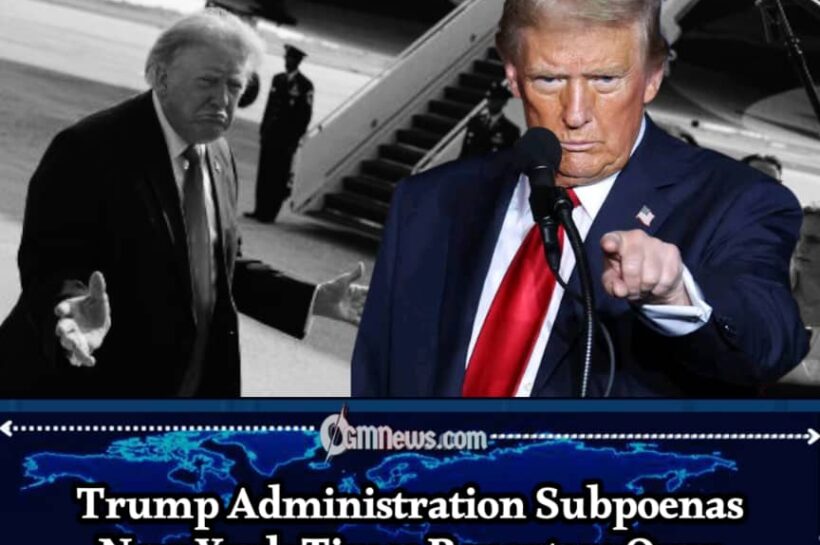
Speaking to reporters before boarding Air Force One in Florida, President Trump said he had been briefed on the broad concept of the Iranian proposal and was awaiting the full wording of the document. The plan, reportedly consisting of 14 points, was said by Iranian-linked media outlets to have been formally delivered through diplomatic channels.
Trump Administration Signals Diplomatic Effort Intensifies
The White House also confirmed that Nick Stewart, a former lobbyist and former State Department official during President Trump’s first administration, has joined the diplomatic team seeking an end to the conflict with Iran. Officials described Stewart as an experienced policy adviser and a valuable addition to the team led by Special Envoy Steve Witkoff.
His appointment is being viewed as part of a broader effort by Washington to strengthen backchannel diplomacy while maintaining pressure on Tehran. The move suggests the Trump administration is preparing for complex negotiations that may involve regional security, sanctions relief, maritime access, and nuclear restrictions.
The inclusion of additional diplomatic personnel may also indicate that the White House expects negotiations to continue beyond a short-term ceasefire framework, potentially requiring a more detailed long-term settlement.
Trump Voices Doubt Over Iran’s Offer
Despite acknowledging receipt of the proposal, President Trump expressed strong skepticism over whether the plan would meet U.S. expectations. In a social media statement later Saturday, he said he would review the document soon but added that he could not imagine it being acceptable because Iran had not yet “paid a big enough price” for its actions over the past several decades.
Those remarks reflected the Trump administration’s continued hardline stance toward Tehran. While negotiations remain open, Washington appears unwilling to ease its demands without significant concessions related to Iran’s regional conduct and nuclear ambitions.
Political observers say the president’s comments could be aimed at preserving leverage before talks proceed further, signaling that any final agreement would need to satisfy both strategic and domestic political considerations.
Details of the 14-Point Proposal Emerge
Though the full text has not been publicly released, multiple reports suggest the Iranian proposal includes requests such as an end to hostilities, lifting of sanctions, release of frozen Iranian assets, changes to military deployments near Iran, and broader peace measures extending to other fronts including Lebanon.
Other reported elements involve the Strait of Hormuz, one of the world’s most critical shipping routes. Iran has reportedly proposed new arrangements governing movement through the waterway, an issue with major implications for global energy markets.
Analysts note that the breadth of the proposal may indicate Tehran is seeking not merely a ceasefire, but a wider strategic reset in its relationship with Washington and regional rivals.
Israel-Lebanon Front Adds Pressure
Even as diplomatic contacts continue, violence elsewhere in the region has complicated peace efforts. Israeli strikes in southern Lebanon were reported Saturday, highlighting how parallel conflicts could disrupt momentum toward any U.S.-Iran settlement.
Security experts warn that instability involving Iran-backed groups or regional allies may make it harder for negotiators to secure lasting calm. Any deal between Washington and Tehran would likely need to address proxy conflicts and border tensions beyond Iran itself.
The continued Lebanon strikes also serve as a reminder that diplomacy is unfolding against an active military backdrop, where sudden escalations remain possible.
Congress and War Powers Questions Resurface
President Trump also reportedly told congressional leaders that hostilities with Iran had been terminated, a statement with significance under longstanding U.S. war powers law that limits military engagements without congressional authorization.
Legal and political debate may intensify over whether the administration’s actions complied with statutory timelines and whether future operations would require new approval from lawmakers.
This issue could become increasingly important if negotiations fail and military operations resume.
Uncertain Road Ahead
The latest proposal places both governments at a critical crossroads. Iran appears to be testing whether diplomacy can secure relief and recognition, while the Trump administration is signaling that only a tougher and more comprehensive agreement would be acceptable.
For now, the world awaits Washington’s formal response. With regional tensions unresolved and multiple conflict zones still active, the coming days may determine whether the Middle East moves toward renewed confrontation or cautious diplomacy.
https://shorturl.fm/5TtQZ