
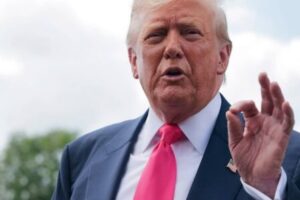




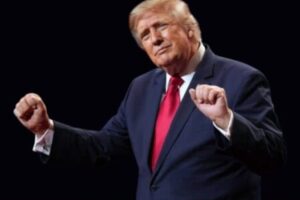



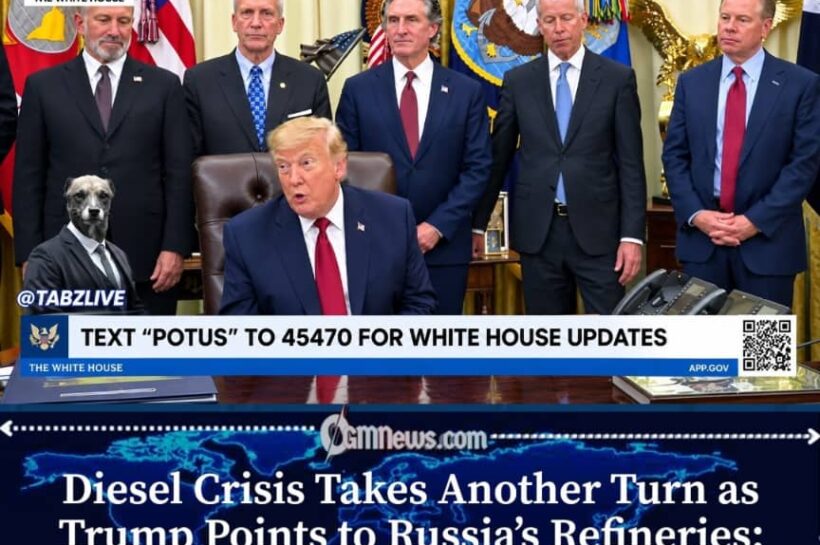

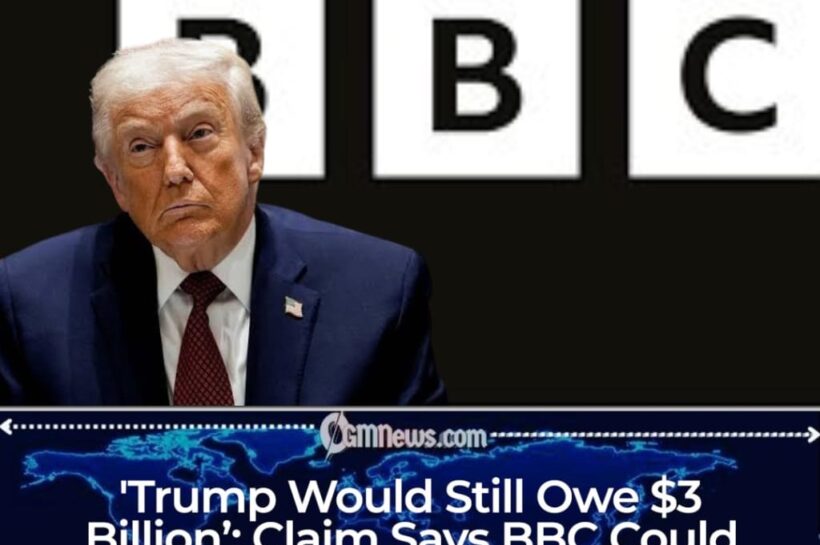






President Donald Trump has stated that the United States holds “all the cards” in ongoing negotiations with Iran, a remark that underscores his administration’s confident stance on diplomatic leverage in the region. The comment was made amid continued international discussions aimed at addressing longstanding tensions and preventing further escalation between the two countries.
The statement has drawn attention from analysts who interpret it as a signal of strength in negotiating posture, though others caution that diplomatic outcomes often depend on complex mutual concessions rather than unilateral advantage.
President Donald Trump’s remarks add to a broader narrative about the United States’ role in shaping outcomes in high-stakes international negotiations.
Strategic Positioning in U.S.–Iran Talks
President Donald Trump’s assertion reflects a strategic framing of the United States’ position in relation to Iran, emphasizing leverage in areas such as sanctions, military presence, and diplomatic alliances. These factors are often cited as key components influencing negotiation dynamics.
Iran, on the other hand, continues to pursue its own strategic objectives, including economic relief and regional security assurances, which remain central to any potential agreement.
The balance of interests between both sides continues to shape the pace and tone of discussions.
President Donald Trump and Diplomatic Messaging
President Donald Trump’s statement also functions as diplomatic messaging, intended to reinforce a perception of strength both domestically and internationally. Public remarks in negotiations often serve multiple purposes, including signaling resolve and shaping negotiating leverage.
Such messaging can influence not only the opposing party but also allied nations observing the process.
The tone of negotiations is frequently shaped by these public declarations, even when formal discussions occur behind closed doors.
International Reactions to the Statement
President Donald Trump’s comments have generated varied reactions across the international community, with some viewing them as a firm negotiating stance and others cautioning that complex diplomatic issues rarely yield to unilateral advantage.
Allies and regional stakeholders are closely monitoring developments, as outcomes in U.S.–Iran talks can have wider implications for global energy markets and regional stability.
The response highlights the interconnected nature of modern diplomacy.
President Donald Trump and Negotiation Strategy
President Donald Trump’s approach to negotiations has often emphasized pressure, leverage, and deal-making dynamics. In this context, the claim of holding “all the cards” aligns with a broader strategy of projecting confidence in diplomatic engagements.
President Donald Trump’s negotiating style frequently involves public statements that frame discussions in terms of advantage and outcome potential.
President Donald Trump’s comments suggest an intention to maintain a strong bargaining position while discussions continue.
Outlook for U.S.–Iran Engagement
President Donald Trump’s remarks come as diplomatic efforts between the United States and Iran continue to evolve, with multiple rounds of dialogue and indirect communication channels still in play. The future of these talks will depend on political will and the ability of both sides to address core issues.
Observers note that while rhetoric plays an important role, sustained progress typically requires compromise and structured negotiation frameworks.
The coming weeks may provide further clarity on whether the current approach leads to tangible results or continued stalemate.

[…] […]