

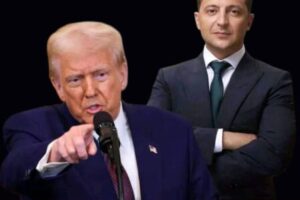


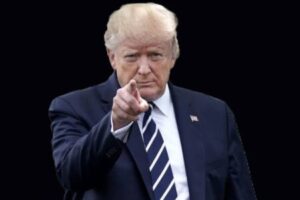
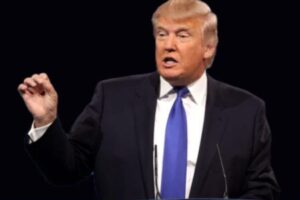
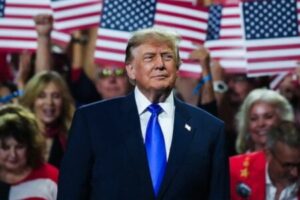




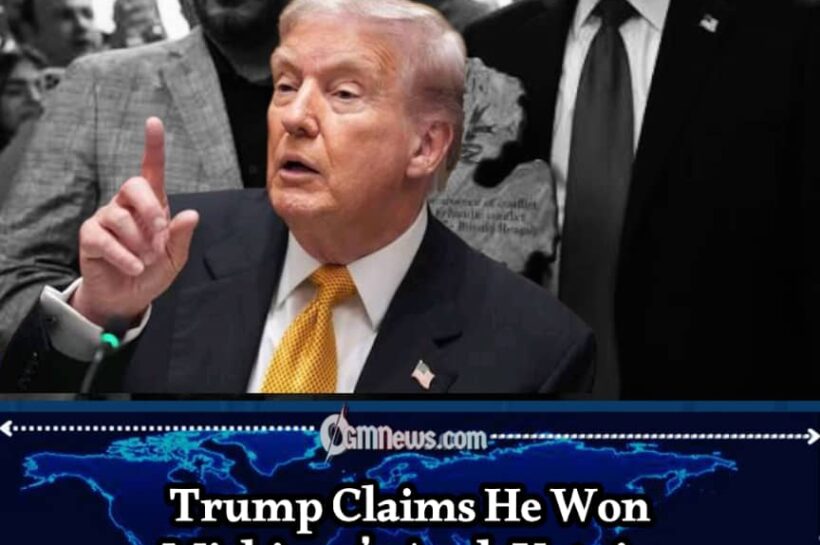




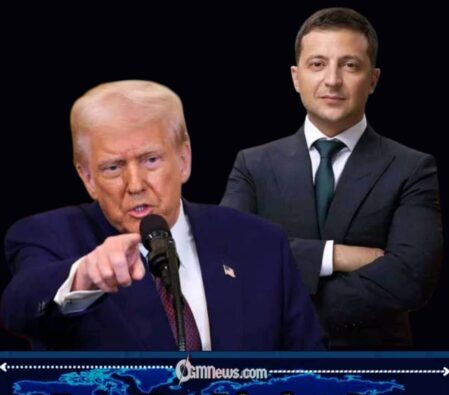
President Donald Trump took to Truth Social to claim that the “YES” victory in Virginia was “rigged,” a statement that quickly drew attention and sparked debate across political circles. His post came shortly after results were reported, adding to ongoing national conversations about election integrity and public trust in voting systems.
The claim was made without publicly presented evidence, and it has since prompted responses from election officials and observers who emphasize established procedures designed to ensure accurate vote counting. Such reactions are typical when high-profile figures question election outcomes, as officials often move to reassure the public about the integrity of the process.
President Donald Trump’s remarks have once again highlighted the deep divisions that can emerge following closely watched votes, particularly when results carry broader political significance.
Election Integrity and Official Responses
President Donald Trump’s statement has been met with pushback from election authorities, who maintain that the process in Virginia followed standard procedures and safeguards. Officials often stress transparency measures such as audits, oversight, and bipartisan monitoring to reinforce confidence in results.
These systems are intended to prevent irregularities and to provide mechanisms for addressing concerns when they arise.
The situation reflects the broader challenge of maintaining public trust in electoral systems, especially when competing narratives gain traction.
President Donald Trump and Public Reaction
President Donald Trump’s comments have generated strong reactions from both supporters and critics, with some echoing his concerns while others reject the claims as unfounded. Social media platforms have amplified the discussion, turning it into a wider national conversation.
Public response to such statements often reflects existing political alignments, with individuals interpreting events through their own perspectives.
The intensity of the reactions underscores how election-related claims can quickly become focal points for broader debates about governance and accountability.
Legal and Procedural Considerations
President Donald Trump’s claim raises questions about the legal avenues available for challenging election results. Typically, such challenges require evidence and must follow established judicial or administrative processes.
Courts and election bodies play a central role in reviewing disputes, ensuring that any claims are examined within a structured and evidence-based framework.
This process is designed to balance the right to question outcomes with the need to uphold the legitimacy of certified results.
Broader Political Context
President Donald Trump’s remarks come within a larger political landscape where election integrity has become a recurring topic of discussion. Statements from prominent figures can influence public perception and shape ongoing debates.
Political analysts note that such claims can have lasting effects on voter confidence and participation, depending on how they are addressed.
The broader context highlights the importance of clear communication from both leaders and institutions during sensitive moments.
President Donald Trump is expected to continue addressing the issue, potentially providing further statements or pursuing formal avenues if he chooses to challenge the results. The development will likely remain a topic of discussion in the coming days.
Election officials and observers are also expected to continue providing updates and clarifications to address public concerns.
Ultimately, the situation illustrates the complex interplay between political messaging, institutional processes, and public trust in democratic systems.
This casino has been my consistent pick for weekend entertainment. The game selection is top...