




















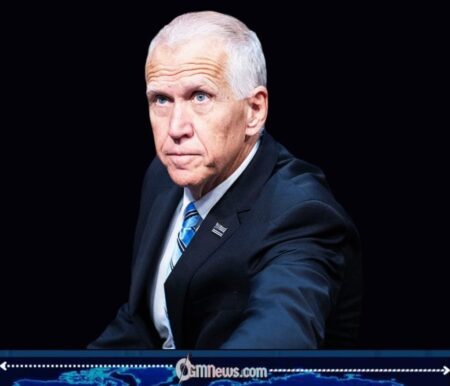
Warsh Standoff has become a defining issue for Republican senators seeking a way to resolve the ongoing impasse surrounding Kevin Warsh, as discussions intensify over how to move forward without deepening internal divisions. The situation reflects broader tensions within the party, where competing priorities and differing views on economic leadership have made consensus difficult to achieve.
The standoff has attracted significant attention on Capitol Hill, with lawmakers weighing both the political and economic implications of prolonged uncertainty. At stake is not only the confirmation process but also the perception of stability in financial leadership during a sensitive period.
Warsh Standoff continues to highlight the challenges of balancing party unity with individual policy positions, as senators search for a path that addresses concerns while maintaining momentum.
Republican Strategy and Internal Negotiations
Warsh Standoff has prompted GOP senators to explore a range of strategic options aimed at breaking the deadlock, including potential compromises that could satisfy key factions. Behind closed doors, negotiations are reportedly focusing on identifying common ground without forcing members into politically difficult positions.
Some lawmakers are advocating for a pragmatic approach, emphasizing the need to move past the impasse in order to focus on broader legislative priorities. Others remain cautious, insisting that any resolution must address substantive concerns about policy direction.
The internal discussions reflect the complexity of navigating high-profile nominations, where political considerations often intersect with policy debates.
Economic Stakes and Market Sensitivity
Warsh Standoff has implications that extend beyond politics, particularly in relation to financial markets and economic confidence. Uncertainty surrounding leadership at the Federal Reserve can influence investor sentiment and expectations about future monetary policy.
Market participants are closely monitoring developments, looking for signals that could indicate how the situation will be resolved. Stability in leadership is often seen as a key factor in maintaining confidence during periods of economic uncertainty.
The longer the standoff continues, the greater the potential for it to affect perceptions of institutional effectiveness and policy continuity.
Warsh Standoff and Legislative Pressure
Warsh Standoff has increased pressure on lawmakers to find a solution, as delays in the confirmation process draw scrutiny from both within and outside the party. Senators are facing calls to demonstrate leadership and bring the situation to a resolution.
Public attention on the issue has added another layer of urgency, with stakeholders urging action to prevent prolonged uncertainty.
The dynamic illustrates how legislative processes can become focal points for broader political debates, particularly when they involve key economic positions.
Potential Paths to Resolution
Warsh Standoff has led to discussions about several possible off-ramps, including procedural compromises and adjustments to the confirmation timeline. These options aim to create space for agreement without requiring a complete shift in positions.
Some proposals involve revisiting specific concerns raised during the process, while others focus on building broader support through negotiation.
The success of these efforts will depend on the willingness of lawmakers to engage constructively and prioritize resolution over prolonged disagreement.
Warsh Standoff remains a critical issue for GOP senators as they continue to navigate the complexities of the confirmation process. The outcome will likely have implications for both party dynamics and economic policy direction.
In the coming days, further developments are expected as discussions progress and potential solutions are tested.
Ultimately, the situation underscores the importance of compromise and strategic decision-making in resolving high-stakes political challenges.
[…] […]