



























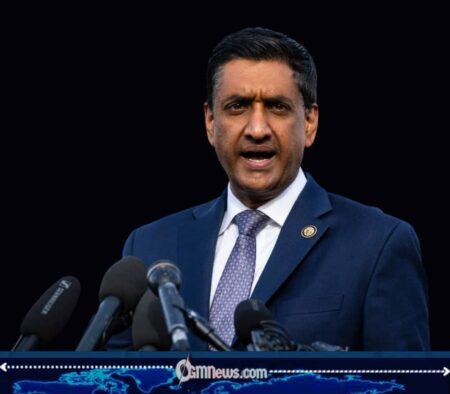
U.S. Representative Ro Khanna has sparked a new political debate after criticizing reports that Israeli Prime Minister Benjamin Netanyahu was present during a high-level White House security meeting. Khanna said major military and national security decisions should be made only by American officials, not shaped by foreign leaders inside the most sensitive rooms of government.
The California Democrat’s remarks have drawn attention in Washington because they touch on one of the most delicate issues in U.S. foreign policy, the relationship between the United States and Israel. His comments have also opened a broader discussion about sovereignty, alliance politics, and who should influence decisions during moments of international crisis.
Khanna’s Sharp Public Criticism
Khanna said a future Democratic administration would not permit a foreign leader to be in the White House Situation Room while decisions about military action are being considered. He argued that American security policy must remain in American hands at every level.
The congressman said the presence of a foreign head of government in such a setting would create the appearance of outside influence over decisions that directly affect U.S. troops and taxpayers. His remarks quickly circulated across political circles.
Supporters of Khanna say his statement reflects a growing concern about how alliances are managed behind closed doors.
Reports About Netanyahu’s Presence
Reports suggesting Netanyahu was involved in a classified White House meeting triggered the controversy. Several media outlets indicated that he may have participated in discussions tied to escalating tensions with Iran.
Although cooperation between Washington and Jerusalem is common, analysts noted that a foreign leader appearing inside the Situation Room would be highly unusual. Such reports immediately raised questions about the boundaries of strategic coordination.
The White House has not publicly clarified the extent of Netanyahu’s involvement.
Trump Administration Defends Close Coordination
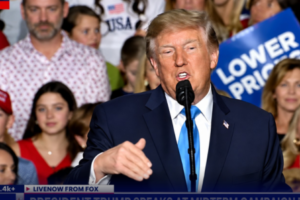
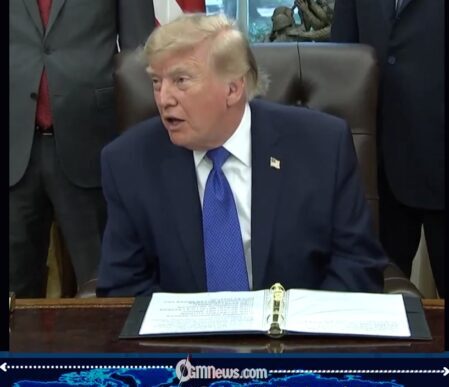
President Donald Trump has maintained a close relationship with Israel and has frequently described the alliance as essential to regional stability. Officials close to the administration argue that close consultation with allies is necessary during dangerous international confrontations.
Supporters of President Donald Trump say intelligence sharing and direct communication with allies can strengthen American decision-making. They insist coordination does not mean surrendering authority.
The administration has not indicated that it views the reported meeting as inappropriate.
A Shift Inside the Democratic Party
Khanna’s comments reflect a wider shift among some Democrats who are increasingly willing to challenge traditional U.S. policy toward Israel. Younger lawmakers in particular have pushed for greater scrutiny of military cooperation.
Some Democrats believe the United States should reassess how much influence close allies have in shaping policy. Others caution that public disputes over Israel could create deeper divisions within the party.
The issue has become part of a broader debate about America’s global role.
Questions About Sovereignty and Accountability
Political analysts say the controversy goes beyond one meeting. At its core, the debate centers on whether American foreign policy is being directed solely by elected U.S. officials.
Khanna’s remarks highlight concerns about transparency in military decisions. Critics argue that voters deserve confidence that national security choices are made independently.
Supporters of the current approach counter that strategic alliances often require private coordination that cannot always be publicly explained.
Potential Political Consequences
The controversy may have political implications beyond foreign policy. Khanna’s comments could resonate with voters who oppose deeper involvement in overseas conflicts.
For President Donald Trump, the dispute may reinforce criticism from opponents who believe his administration is too closely aligned with foreign interests. For supporters, it may demonstrate his commitment to strengthening key alliances.
As election debates continue, the issue may remain part of a larger discussion about leadership and accountability.
Ro Khanna’s criticism has brought renewed attention to the role of allies in American national security decisions. His argument that only Americans should shape decisions in the Situation Room has touched on deeper questions about sovereignty and foreign influence.
Whether the controversy fades or expands, it reflects a changing political climate in Washington where long-standing alliances are increasingly being examined in public.

Ae888covenuscasino, okay, I'm curious. Gonna check out this site and try to find some amazing...