


















Ghislaine Maxwell has become the focal point of renewed legal and political debate after her attorney suggested there is a “good chance” she could receive a presidential pardon. The claim is rooted in the argument that Maxwell has been unfairly singled out following the death of convicted sex offender Jeffrey Epstein, whose absence continues to shape the narrative surrounding the case.
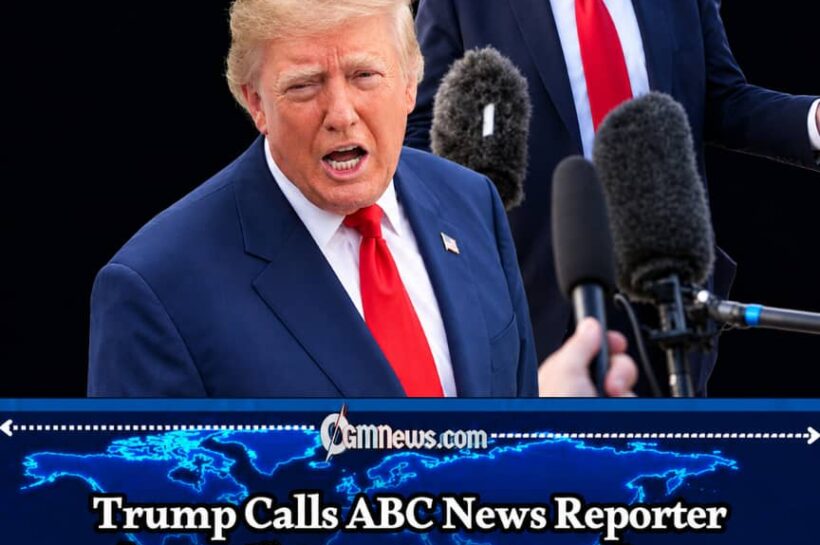
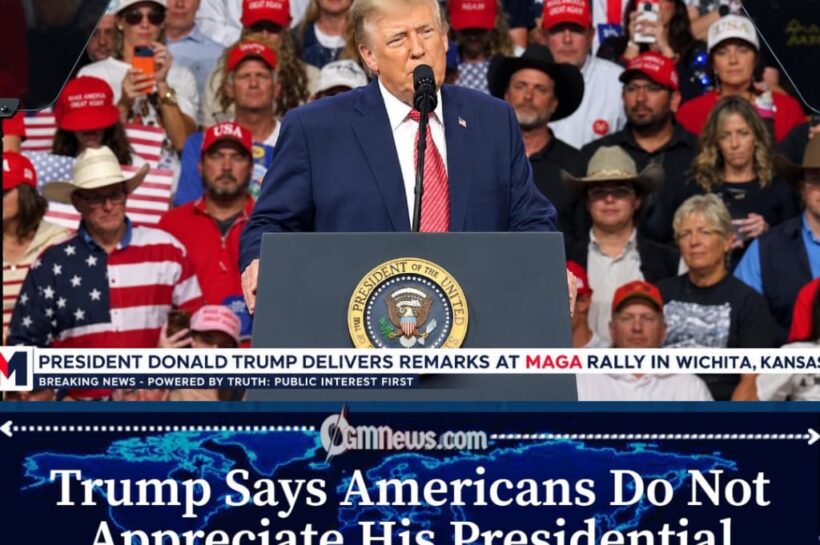
The remarks have drawn widespread attention to the scope of executive clemency powers and the potential role of the current U.S. president, Donald Trump, who is serving a second term. While no official move toward a pardon has been announced, the suggestion alone has intensified scrutiny of both the legal process and the broader implications of such an action.
Ghislaine Maxwell’s Legal Team Alleges
The defense team representing Ghislaine Maxwell argues that she has borne an excessive share of responsibility in a case originally centered on Epstein. They contend that his death in custody significantly altered the course of justice, leaving Maxwell as the primary figure for prosecution.
According to her attorney, this shift has resulted in what they describe as an imbalance in accountability. The defense maintains that Maxwell’s conviction reflects a broader attempt to deliver closure in a case that was left incomplete.
Legal observers note that such arguments, while not uncommon in high-profile cases, face considerable challenges in overturning public and judicial conclusions already reached.
Presidential Clemency Debate Gains Momentum
The possibility of a pardon for Ghislaine Maxwell has brought renewed attention to the U.S. president’s constitutional authority to grant clemency. This power allows the president to pardon individuals convicted of federal crimes, often sparking debate when applied to controversial cases.
Any decision involving Maxwell would likely be closely examined due to the gravity of the charges and the public interest surrounding the case. Analysts emphasize that clemency decisions are not only legal judgments but also political ones, often carrying significant consequences.
So far, there has been no indication from Donald Trump or his administration that such a pardon is under consideration, leaving the discussion largely speculative.
Public Reaction Reflects Deep Divisions
The suggestion of a potential pardon for Ghislaine Maxwell has prompted varied reactions across society. Advocacy groups representing victims have strongly opposed the idea, warning that it could undermine confidence in the justice system.
Conversely, some legal commentators argue that Maxwell’s case raises valid questions about fairness, particularly given Epstein’s absence from trial. They stress the importance of evaluating whether justice was applied evenly and without bias.
This divergence of opinion highlights the complexity of balancing legal principles with public sentiment in high-profile criminal cases.
Epstein’s Death Continues to Influence Proceedings
The death of Jeffrey Epstein remains a defining factor in discussions surrounding Ghislaine Maxwell. His passing halted further legal action against him and left many aspects of the case unresolved.
Maxwell’s legal team has consistently pointed to this gap, suggesting that her prosecution has been shaped by the need to address unanswered questions. Critics, however, argue that her conviction was supported by substantial independent evidence.
The unresolved elements of Epstein’s activities continue to fuel calls for deeper investigation and accountability.
Experts Question Likelihood of Clemency
Legal experts largely view the prospect of a pardon for Ghislaine Maxwell as uncertain. While the constitutional authority exists, such decisions are typically influenced by a combination of legal merit, political climate, and public opinion.
Given the nature of the case, analysts suggest that any move toward clemency would face significant scrutiny and debate. Historically, pardons in cases involving serious criminal conduct have been rare and often controversial.
As a result, the attorney’s remarks are widely seen as a strategic assertion rather than a reflection of imminent policy action.
Broader Questions on Justice and Accountability
The ongoing discussion surrounding Ghislaine Maxwell raises broader issues about justice, accountability, and the exercise of executive power. It underscores the challenges of resolving complex cases involving multiple actors and incomplete narratives.
The case continues to serve as a reference point for debates about how legal systems handle high-profile defendants and the extent to which public perception influences outcomes.
Regardless of whether a pardon is ever pursued, the situation highlights enduring concerns about fairness, transparency, and the pursuit of justice in cases of significant public interest.


The weekly tournaments here keep me coming back because the prize pools are surprisingly generous....