







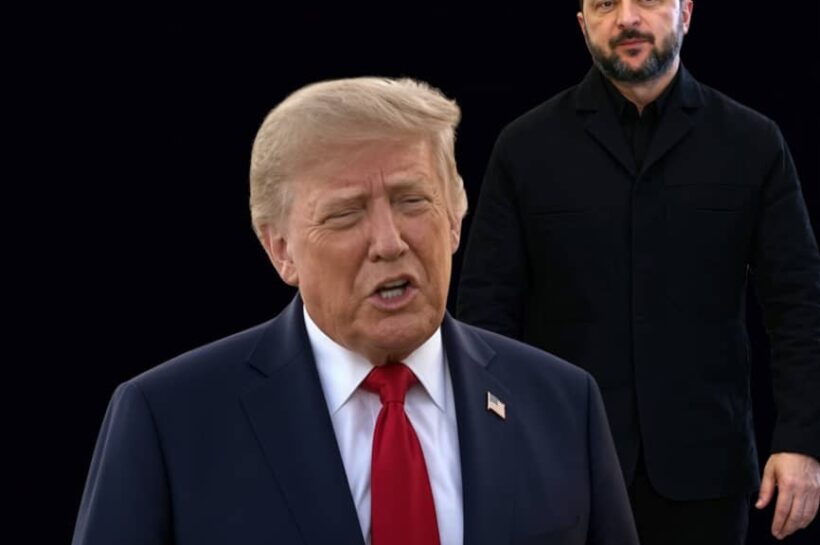





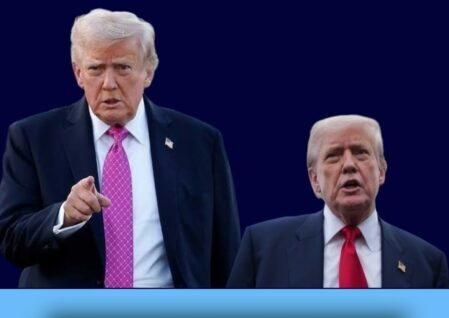
U.S. President Donald Trump has warned that the United States could sever trade ties with Spain if it continues to withhold support for U.S. actions against Iran. The statement comes at a time when Spain is simultaneously strengthening its economic relationship with China, highlighting a complex and evolving geopolitical landscape.
The developments have raised questions about the future of transatlantic cooperation, as well as the broader implications of linking trade policy to military alignment. Observers note that the situation reflects deeper shifts in global alliances and economic strategy.
Trump’s Warning: Trade as Leverage
President Donald Trump’s remarks signal a willingness to use economic tools to influence allied behavior. By suggesting that trade ties could be cut, he has underscored the importance his administration places on unified support in matters of security.
The warning follows Spain’s refusal to allow U.S. access to military bases for operations related to Iran. President Donald Trump has framed this decision as a failure of cooperation, arguing that allies should align more closely in times of crisis.
This approach represents a more assertive use of trade policy, linking economic relationships directly to geopolitical objectives.
Spain’s Position: Strategic Independence
Spain, led by Prime Minister Pedro Sánchez, has maintained a firm stance against involvement in the Iran conflict. The government has emphasized adherence to international law and the importance of avoiding escalation.
Madrid’s refusal to support military operations reflects a broader commitment to diplomatic solutions and multilateral engagement. Officials have argued that participation in the conflict would not align with Spain’s national interests.
This position highlights a growing trend among some European nations to assert greater independence in foreign policy decisions.
Spain and China: Expanding Economic Cooperation
At the same time, Spain has moved to strengthen its economic ties with China. During high-level meetings with Chinese leadership, a series of agreements were signed covering trade, investment, and infrastructure cooperation.
These agreements aim to enhance bilateral trade and address economic imbalances, particularly in areas such as agriculture and technology. While significant, they have been described by analysts as part of an ongoing effort to diversify Spain’s economic partnerships rather than a singular, unprecedented deal.
The timing of these developments has drawn attention, occurring amid heightened tensions between Spain and the United States.
Global Context: Competing Visions of Trade and Security
The situation reflects broader differences in how countries approach the intersection of trade and security. President Donald Trump has emphasized the importance of aligning economic relationships with strategic priorities, particularly in the context of global conflicts.
In contrast, Spain and other nations have sought to separate economic cooperation from military considerations, maintaining trade relationships even as they pursue independent foreign policies.
China’s role in this dynamic is also significant, as it continues to expand its economic influence and position itself as a key partner for countries seeking alternative markets.
Diplomatic Implications: Strains Among Allies
The exchange between Washington and Madrid has raised concerns about potential strains within longstanding alliances. While disagreements are not uncommon, the use of trade threats introduces new challenges to diplomatic relations.
President Donald Trump’s stance has been interpreted by some as a push for greater cohesion among allies, while others view it as a source of tension that could undermine cooperation.
Spain’s response, meanwhile, reflects a careful balancing act between maintaining traditional partnerships and pursuing new opportunities.
Economic Considerations: Risks and Opportunities
The prospect of disrupted trade between the United States and Spain carries significant economic implications. Both countries benefit from strong commercial ties, and any reduction in trade could affect industries, employment, and investment.
At the same time, Spain’s engagement with China presents opportunities for growth, particularly in expanding export markets and attracting investment. However, it also introduces new complexities in navigating relationships with major global powers.
These factors underscore the interconnected nature of modern economies and the challenges of managing competing priorities.
The developments involving President Donald Trump and Spain illustrate the evolving relationship between trade, diplomacy, and security. As the United States seeks to align allies with its strategic objectives, countries like Spain are asserting their independence and exploring new partnerships.
The situation highlights the delicate balance required to maintain cooperation while addressing differing priorities. As global dynamics continue to shift, the ability of nations to navigate these complexities will play a critical role in shaping the future of international relations.
FoSEnYRcnzkCFxcrkTIkEJxP