


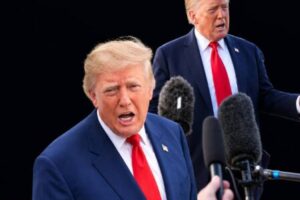



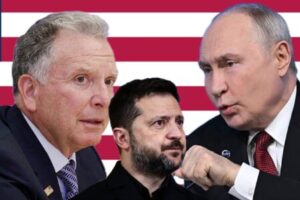

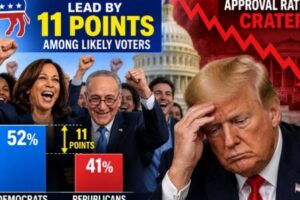
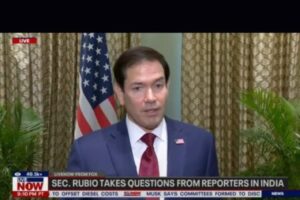

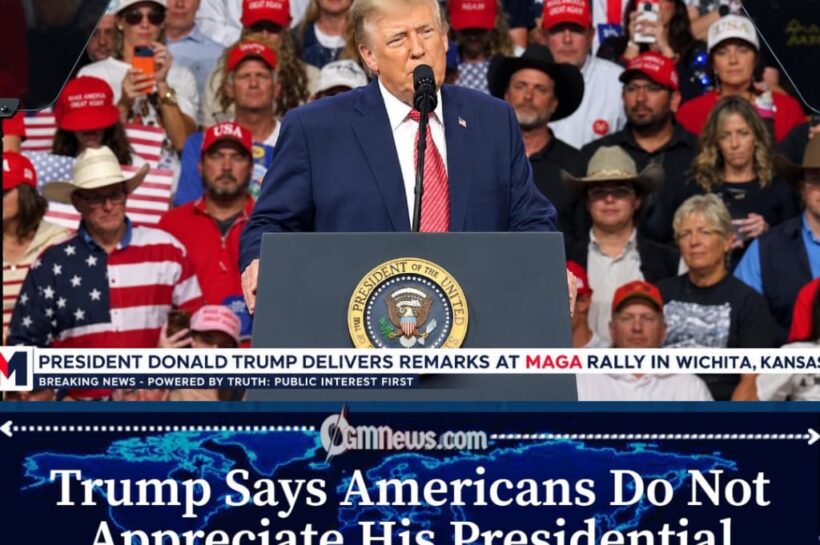
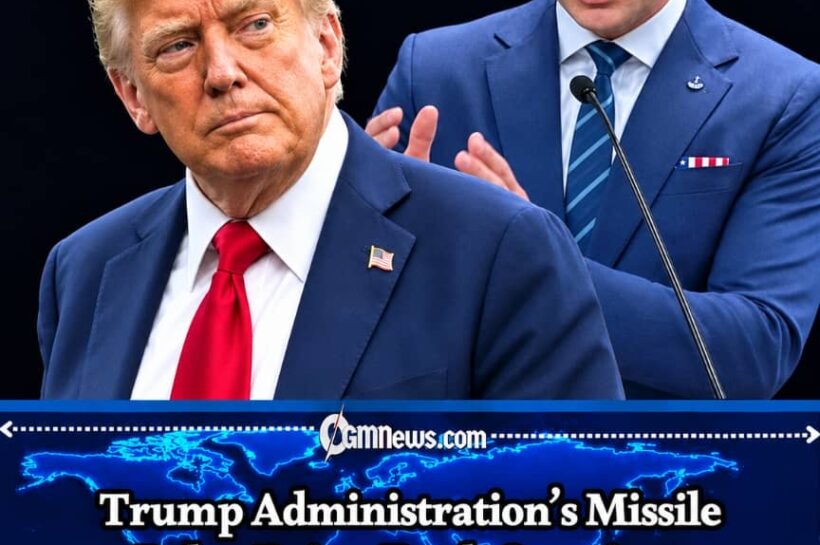




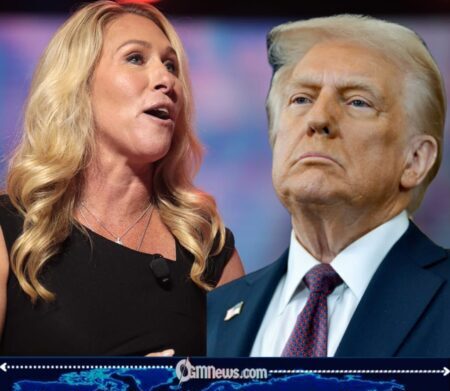
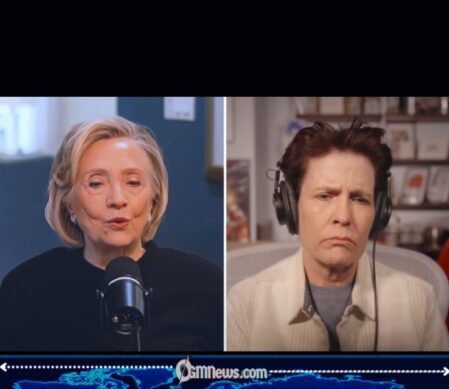
Marjorie Taylor Greene has triggered a fresh wave of political debate in the United States after publicly questioning the mental fitness of President Donald Trump, who is currently serving a second term in office. Her remarks follow controversial reports attributed to the president involving extreme geopolitical rhetoric, which have drawn widespread attention.
The comments by Marjorie Taylor Greene have intensified already existing divisions in Washington, with political observers describing the situation as one of the most sensitive intra-party disputes in recent times. The issue has quickly expanded beyond party lines, becoming a broader national conversation about leadership, accountability, and presidential communication.
Marjorie Taylor Greene Raises Concerns Over Leadership
Marjorie Taylor Greene stated that recent actions and reported comments by President Trump raise serious concerns about his fitness for office. She suggested that such issues should not be ignored and may require closer scrutiny from political and constitutional institutions.
Her statement has drawn significant attention due to her previous alignment with Trump on several political issues. Analysts note that her latest position represents a notable shift, highlighting growing tensions within political circles that once appeared strongly unified.
Controversy Surrounding Presidential Remarks
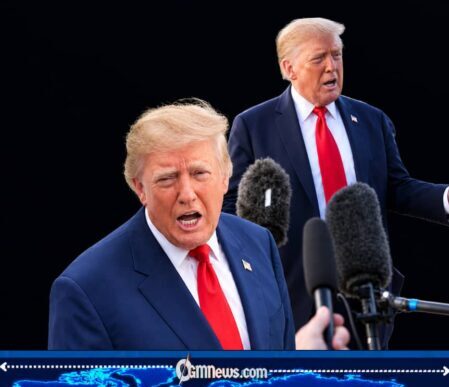
The debate centers on remarks attributed to President Donald Trump, which critics describe as highly provocative and potentially dangerous in tone. These alleged statements have fueled concerns among some lawmakers and commentators about their diplomatic and security implications.
Supporters of the president, however, argue that his comments are being exaggerated or misinterpreted by political opponents and media outlets. The disagreement has created a highly polarized environment, with competing narratives dominating public discussion.
Political Reactions Across Party Lines
The remarks by Marjorie Taylor Greene have produced mixed reactions within political circles. Some lawmakers have expressed support for her concerns, while others have criticized her statements as politically divisive and unnecessary.
Within the Republican Party, the situation has exposed internal disagreements over messaging and leadership direction. Democratic lawmakers have largely used the moment to call for increased oversight of presidential conduct and clearer communication from the executive branch.
Constitutional Questions and Institutional Debate
The controversy has revived discussions about constitutional mechanisms related to presidential capacity and accountability. Legal analysts have pointed to established procedures that allow Congress to respond to concerns regarding a sitting president’s ability to govern effectively.
However, experts emphasize that such processes require strong evidence and broad political agreement, making them difficult to initiate. At present, no formal steps have been taken, and the issue remains at the level of political debate rather than official action.
Public Reaction and Ongoing Media Attention
Public response to Marjorie Taylor Greene’s comments has been sharply divided, with supporters praising her for speaking out and critics accusing her of escalating political tension. Social media platforms have amplified the debate, turning it into a national talking point.
As discussions continue, media outlets and political analysts are closely monitoring both Greene’s position and any response from the White House. The controversy is expected to remain in the spotlight as the political environment continues to evolve.
The weekly tournaments here keep me coming back because the prize pools are surprisingly generous....