






















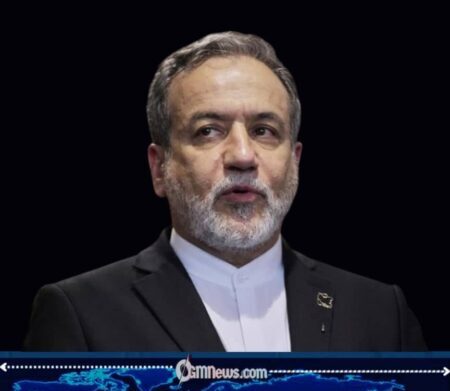
Iran has significantly escalated its demands in ongoing negotiations with the United States and its partners, calling for formal recognition of its authority over the Strait of Hormuz, including the right to impose transit fees and maintain exclusive security control. The proposals, emerging from talks currently taking place in Pakistan, have introduced new complexities into an already fragile diplomatic process.
These demands represent a shift from immediate ceasefire concerns toward long-term strategic control of one of the world’s most vital shipping routes. As discussions continue, the widening gap between Iran’s position and that of the United States has raised questions about the prospects for a comprehensive agreement.
Iran’s Demand for Control Over the Strait
At the center of Iran’s position is its insistence on asserting full authority over the Strait of Hormuz, a narrow waterway that serves as a critical conduit for global oil shipments. Iranian officials argue that their geographic position entitles them to oversee and regulate activity within the strait.
The proposal seeks to formalize what analysts describe as Iran’s existing “de facto” control, developed during the recent conflict through military positioning and operational restrictions. By converting this into internationally recognized authority, Iran aims to secure long-term strategic leverage.
However, such a demand has been met with resistance from Western governments, which view the strait as waterway requiring open and unrestricted access for all nations.
Transit Fees Proposal Sparks Legal and Economic Concerns
Iran’s call to impose transit fees on vessels passing through the Strait of Hormuz has emerged as one of the most contentious elements of the negotiations. The proposal would effectively allow Tehran to monetize one of the world’s busiest shipping lanes.
Legal experts note that international maritime law generally protects the principle of free transit through strategic straits, raising questions about the legality of such fees. Critics argue that allowing this practice could set a precedent for other countries to impose similar charges on critical trade routes.
From an economic perspective, the introduction of transit fees could increase shipping costs, disrupt supply chains, and contribute to volatility in global energy markets, particularly given the volume of oil transported through the strait.
Rejection of U.S. Presence and Joint Management
In addition to its demands for control and fees, Iran has rejected proposals involving U.S. military presence or joint international management of the Strait of Hormuz. Iranian officials have emphasized their preference for exclusive oversight, citing sovereignty and security concerns.
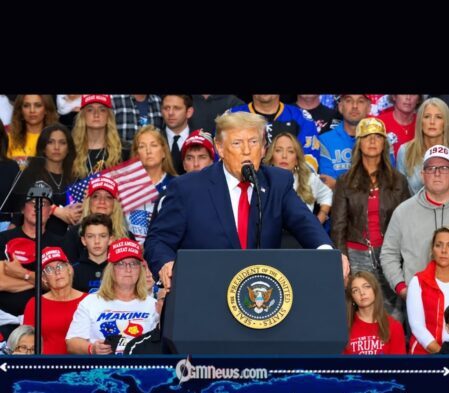
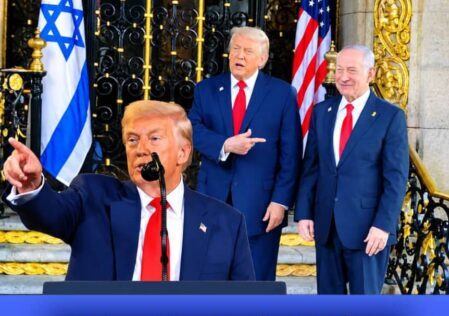
This position directly conflicts with the stance of the United States, led by Donald Trump, which has advocated for ensuring freedom of navigation through international cooperation and, where necessary, military protection.
The disagreement underscores a fundamental divide between unilateral control and multilateral governance, complicating efforts to reach a mutually acceptable framework for the strait’s operation.
Strategic Leverage Behind Iran’s Position
Analysts suggest that Iran’s assertive stance reflects the leverage it has gained during the recent conflict. By demonstrating its ability to disrupt shipping and influence global energy flows, Tehran has strengthened its negotiating position.
The Strait of Hormuz carries a significant portion of the world’s oil supply, making any disruption a matter of global concern. Iran’s capacity to affect this flow provides it with a powerful bargaining tool in negotiations.
This strategic advantage has allowed Iran to push for broader concessions, shifting the focus from short-term de-escalation to long-term structural changes in regional dynamics.
Global Reactions and Diplomatic Challenges
The international response to Iran’s demands has been cautious but firm. Governments and international organizations have reiterated the importance of maintaining open access to the Strait of Hormuz and upholding established maritime norms.
Diplomatic efforts are ongoing to bridge the gap between the parties, but the differences remain substantial. Observers note that the current demands may be part of a broader negotiation strategy, aimed at securing maximum concessions.
The outcome of these talks will have significant implications not only for regional stability but also for global trade and energy markets.
A Negotiation at a Critical Juncture
As discussions continue, the negotiations appear to be entering a decisive phase. The scale of Iran’s demands and the resistance from the United States and its allies suggest that reaching an agreement will require significant compromise.
The situation highlights the complexity of balancing national interests, international law, and global economic considerations. With so much at stake, the coming days are likely to play a crucial role in determining the future of the Strait of Hormuz and the broader geopolitical landscape.
Conclusion
Iran’s proposals mark a pivotal moment in the crisis reflecting both its strategic ambitions and the challenges facing diplomatic efforts. Whether these demands lead to a breakthrough or further stalemate will depend on the ability of all parties to navigate a highly complex and sensitive.
FoSEnYRcnzkCFxcrkTIkEJxP