

















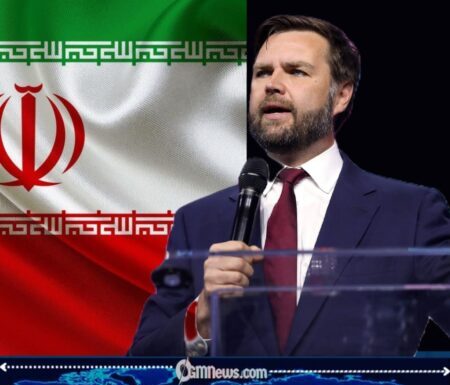
U.S. Vice President JD Vance who led a diplomatic mission has concluded in disappointment following his departure from Pakistan after negotiations linked to a potential understanding with Iran failed to produce any agreement. The visit, which carried significant expectations for progress on regional security and diplomatic engagement, ended without a breakthrough.
The outcome highlights ongoing difficulties in Washington’s efforts to manage tensions with Tehran through indirect diplomatic channels. Despite multiple rounds of consultations facilitated in Islamabad, key disagreements prevented any meaningful resolution.
JD Vance’s Strategic Mission to Islamabad
Vance arrived in Islamabad on a mission framed around strengthening regional stability and exploring diplomatic pathways between the United States and Iran. The visit placed JD Vance at the center of an effort to use Pakistan as a neutral platform for indirect engagement.
Throughout his stay, Vance met with senior Pakistani officials who emphasized their willingness to support dialogue efforts. However, Islamabad maintained a careful distance from direct mediation, focusing instead on logistical and diplomatic facilitation.
JD Vance’s Push for Breakthrough in Iran Negotiations
At the core of Vance’s mission was an attempt to revive stalled communication with Iran over longstanding disputes, including sanctions enforcement and nuclear oversight arrangements. The U.S. delegation reportedly sought a structured framework for gradual de-escalation.
However, Iranian positions remained firm, particularly regarding immediate sanctions relief and security guarantees. These differences limited progress and prevented JD Vance from securing the anticipated diplomatic breakthrough.
Islamabad Meetings and Regional Diplomatic Role
JD Vance’s meetings in Islamabad included discussions with Pakistani leadership aimed at leveraging Pakistan’s regional influence to encourage dialogue. The meetings were described as constructive but ultimately inconclusive.
Pakistan’s role was largely that of a facilitator, providing a neutral setting for discussions. While the presence of Vance elevated the diplomatic profile of the talks, structural disagreements between the parties overshadowed the proceedings.
Breakdown of Negotiations Led by JD Vance
Despite extended discussions, Vance was unable to bridge key gaps between the U.S. and Iranian positions. Issues such as verification mechanisms, phased sanctions relief, and regional security assurances remained unresolved.
As negotiations progressed, momentum weakened significantly. According to diplomatic sources, the absence of compromise from either side made it increasingly difficult for JD Vance to advance the talks toward a formal agreement.
U.S. Administration Response Under President Trump
Following the conclusion of the visit, officials under the administration of Donald Trump stated that diplomatic engagement with Iran remains a priority despite the setback. They emphasized that multiple diplomatic channels are still under consideration.
The administration reiterated its stance on maintaining economic pressure while keeping open the possibility of future negotiations, signaling that JD Vance’s mission was part of a broader, ongoing strategy rather than a final attempt.
Implications of JD Vance’s Failed Mission
The unsuccessful outcome of Vance’s diplomatic effort underscores the complexity of U.S.–Iran relations and the limitations of indirect negotiation frameworks. Analysts suggest that deeper structural disagreements will continue to hinder progress without broader international involvement.
For Vance, the failed mission represents a significant diplomatic setback, though officials maintain that such engagements are part of a longer-term process. The situation leaves regional stability concerns unresolved, with no immediate indication of renewed talks.


The vibes here are amazing and the winning streaks are real. It feels just like...