























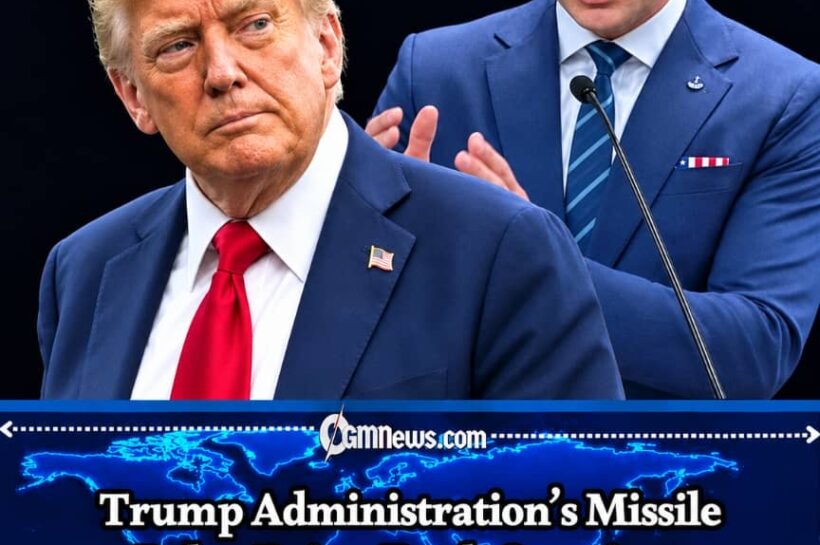





JD Vance is set to lead a high-level U.S. delegation to Pakistan for anticipated in-person talks with Iran this weekend, marking a significant step in ongoing diplomatic efforts to stabilize tensions in the region. The visit, which is expected to include U.S. envoy Steve Witkoff, reflects a renewed push toward direct engagement following weeks of indirect negotiations and escalating conflict. The development has drawn global attention as stakeholders await signs of progress.
The planned talks are expected to take place in Islamabad, with Pakistan acting as a key intermediary between the United States and Iran. This role has elevated Pakistan’s diplomatic profile, positioning it as a central player in efforts to broker peace between the two nations.
Officials have indicated that the discussions could address a wide range of issues, including ceasefire terms, nuclear concerns, and regional security dynamics. While expectations remain cautious, the willingness to meet face-to-face suggests a possible opening for meaningful dialogue.
Diplomatic Stakes and Strategic Goals
JD Vance has been increasingly involved in shaping U.S. strategy toward Iran, and his leadership of the delegation underscores the importance of the upcoming talks. His role signals a shift toward more direct and senior-level engagement in the negotiation process.
The United States is expected to prioritize key objectives such as limiting Iran’s nuclear program and addressing concerns over missile development. These issues have long been central to tensions between the two nations and remain critical to any potential agreement.
At the same time, Iranian officials are likely to focus on securing sanctions relief and guarantees related to sovereignty and regional influence. The competing priorities highlight the complexity of the negotiations ahead.
JD Vance and High-Level Engagement
JD Vance has emerged as a central figure in the administration’s diplomatic approach, with his involvement reflecting both political trust and strategic positioning. His participation may also be seen as an attempt to present a fresh face in negotiations that have previously faced setbacks.
Observers note that Vance’s leadership could influence the tone and direction of the talks, particularly as both sides seek to rebuild trust after recent hostilities. His role may also help facilitate clearer communication between the parties.
The inclusion of Steve Witkoff adds further weight to the delegation, bringing experience in Middle East diplomacy and ongoing involvement in backchannel discussions. Together, the team represents a coordinated effort to advance negotiations.
Regional Mediation and Pakistan’s Role
JD Vance’s visit highlights Pakistan’s growing importance as a mediator in the conflict, with Islamabad playing a crucial role in facilitating dialogue between the United States and Iran. The country’s leadership has actively engaged with both sides to keep communication channels open.
Pakistan’s involvement has been praised by some analysts as a constructive contribution to regional stability, particularly given its ability to maintain relationships with multiple stakeholders. Its role as host for the talks further underscores its diplomatic significance.
At the same time, the success of the mediation effort will depend on the willingness of both parties to compromise and engage in good faith. The outcome of the talks could shape Pakistan’s future role in international diplomacy.
Global Reactions and Market Sensitivity
JD Vance’s upcoming trip has already generated reactions from global leaders and markets, with many closely watching for signs of progress or setbacks. The possibility of a ceasefire or broader agreement could have significant implications for global stability.
Energy markets, in particular, are sensitive to developments in U.S.-Iran relations, as tensions in the region can directly impact oil supply and pricing. Investors are monitoring the situation closely for any indications of change.
International allies have also expressed interest in the talks, viewing them as a potential step toward reducing tensions and avoiding further escalation in the Middle East.
Looking Ahead
JD Vance is expected to play a key role in determining the direction of the negotiations, with the outcome of the talks likely to influence broader U.S. foreign policy. The coming days will be critical in assessing whether diplomacy can achieve tangible results.
The path forward remains uncertain, as both sides must navigate complex political and strategic considerations. Success will depend on their ability to find common ground while addressing deeply rooted concerns.
Ultimately, the planned talks in Pakistan represent a pivotal moment in U.S.-Iran relations, offering a chance to move beyond confrontation and toward a more stable and cooperative framework for the future.
The weekly tournaments here keep me coming back because the prize pools are surprisingly generous....