
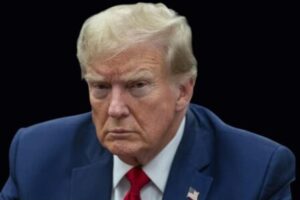




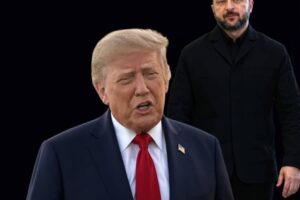

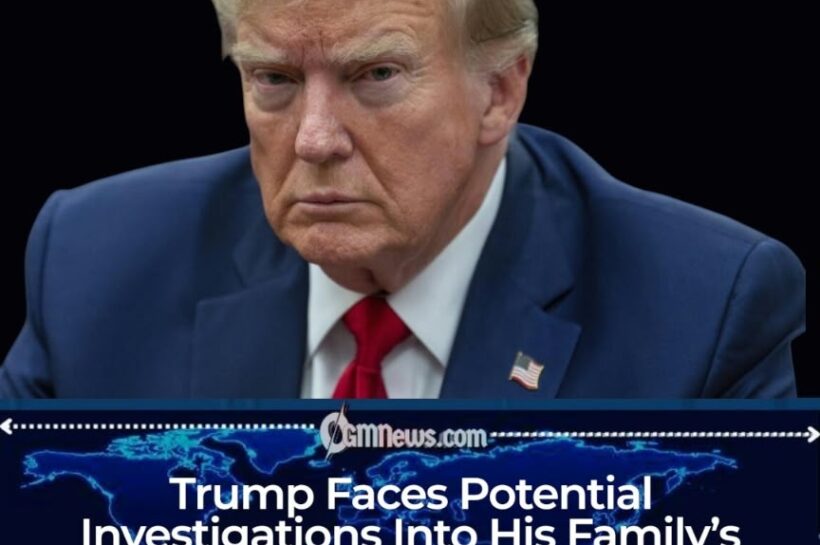

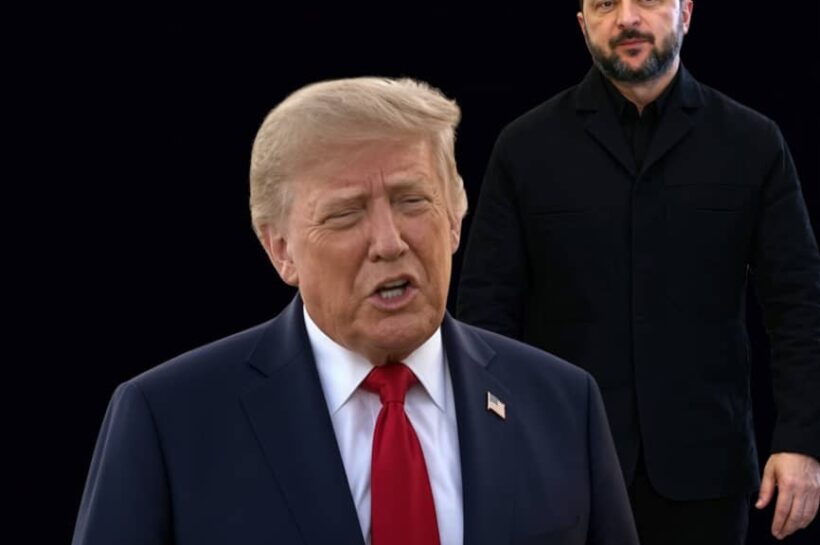




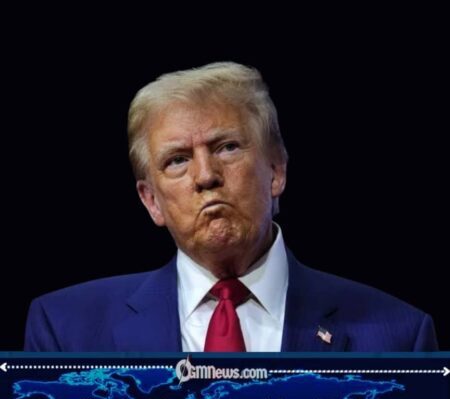
President Donald Trump has intensified global concern after declaring that the United States could “take out” the entire country of Iran in a single night, adding that such an operation “might be tomorrow night.” The remarks, delivered amid escalating tensions between Washington and Tehran, mark one of the most forceful public statements of potential military action in recent years.
The comments come as diplomatic efforts appear strained and military posturing increases on both sides, raising fears among international observers of a broader regional conflict.
Escalating Rhetoric and Strategic Signaling
The statement by President Donald Trump is widely interpreted by analysts as part of a strategy of coercive diplomacy using strong rhetoric to pressure Iran into concessions. Such language, while not unprecedented, represents a significant escalation in tone given the scale of the threat described.
Officials familiar with the situation suggest the remarks were tied to ongoing negotiations and deadlines issued by Washington. The administration has emphasized that Iran must comply with specific demands or face severe consequences, framing the situation as a decisive moment in U.S. foreign policy.
At the same time, critics argue that the language risks misinterpretation and could heighten tensions unnecessarily, particularly in a volatile geopolitical environment.
Context: Rising U.S.–Iran Tensions
The latest comments come against the backdrop of a deepening confrontation between the United States and Iran. Recent developments have included military exchanges, economic pressure, and disputes over strategic waterways such as the Strait of Hormuz.
President Donald Trump has maintained that the United States is prepared to act decisively if its interests or allies are threatened. The administration has also indicated that time for negotiations may be limited, contributing to a sense of urgency surrounding the situation.
Regional analysts note that the convergence of military, economic, and political pressures has created a highly unstable environment, where even minor incidents could trigger wider escalation.
International Reactions and Diplomatic Concerns
Global reactions to the statement have been swift, with several governments and international organizations urging restraint. Diplomatic channels remain active, but concerns are growing that rhetoric on both sides may outpace efforts to de-escalate.
Iranian officials have responded with warnings of significant retaliation in the event of any large-scale attack, emphasizing their readiness to defend national sovereignty. The exchange of strong statements has contributed to a climate of heightened alert across the Middle East.
Allies of the United States have expressed concern over the potential consequences of military action, particularly its impact on regional stability and global economic systems.
Legal and Ethical Implications of Military Threats
The suggestion of targeting an entire country raises complex legal and ethical questions under international law. Experts point out that military actions must adhere to principles of proportionality and distinction, particularly regarding civilian infrastructure.
Critics argue that broad threats involving national-scale destruction could be interpreted as inconsistent with established norms governing armed conflict. Others, however, contend that such statements may be rhetorical and intended primarily as deterrence.
The debate highlights the challenges of balancing national security priorities with international legal obligations in an era of high-stakes geopolitical competition.
President Donald Trump: Domestic Political Reactions and Strategic Debate
Within the United States, reactions to President Donald Trump’s statement have reflected broader political divisions. Supporters view the remarks as a demonstration of strength and resolve, while critics warn of the risks associated with aggressive rhetoric.
Policy experts and lawmakers continue to debate the effectiveness of such an approach, particularly in terms of long-term strategic outcomes. Some argue that strong language may compel negotiations, while others caution that it could entrench opposition and escalate conflict.
The discussion underscores the complexities of modern foreign policy, where communication itself can influence both diplomatic and military dynamics.
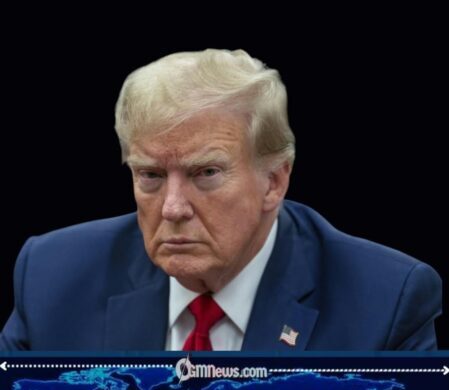
President Donald Trump’s statement that Iran could be “taken out in one night” has added a new layer of urgency to an already tense geopolitical situation. While the remarks may reflect strategic intent, they also carry significant implications for international stability and diplomatic relations.
As global leaders monitor developments closely, the balance between deterrence and escalation remains a central challenge. The coming days are likely to be critical in determining whether tensions subside or intensify further.


78betvip, hopped in for a quick look. Eh, the VIP perks are alright, but not...