
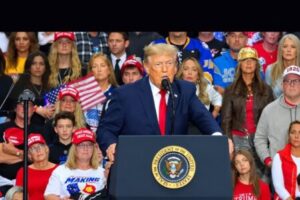
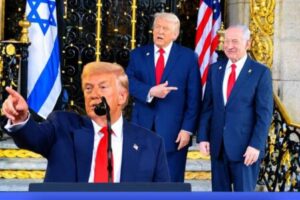
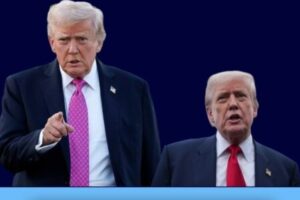






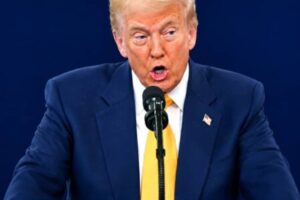
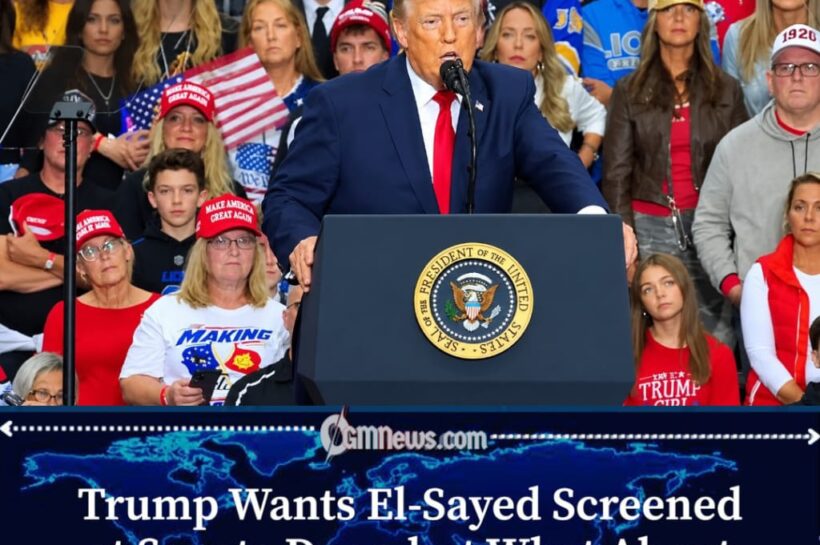





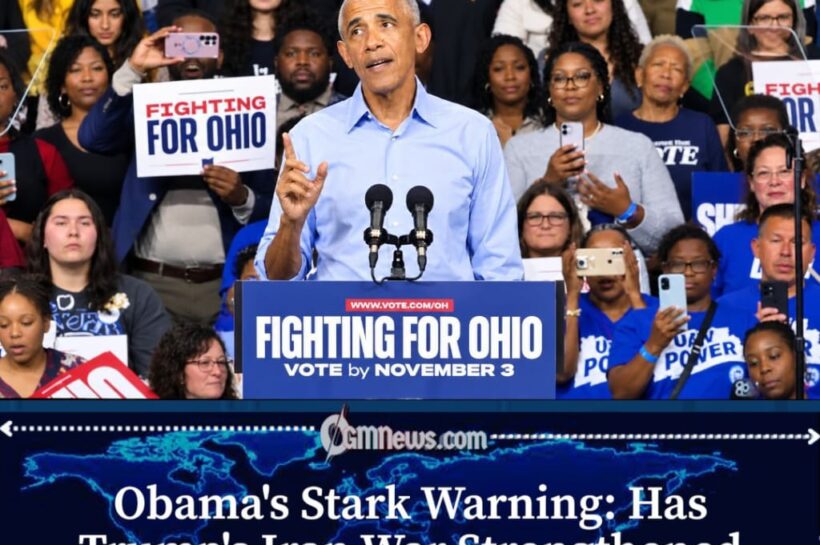






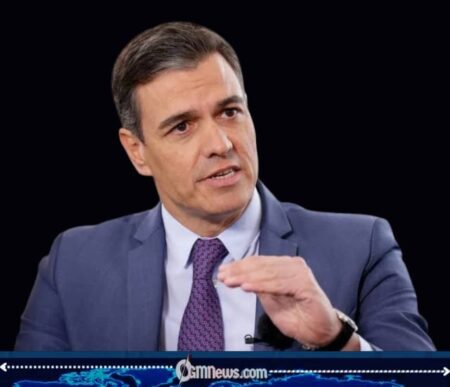
Spanish Prime Minister Pedro Sánchez has drawn on the legacy of the Iraq War to caution against current U.S. military strategy, stating that the war launched over alleged weapons of mass destruction ultimately found none. His remarks were framed as a direct response to policies pursued by Donald Trump in the ongoing tensions involving Iran.
Sánchez’s comments highlight enduring questions about intelligence, accountability, and the long-term consequences of military intervention. By referencing Iraq, he underscored concerns that present-day decisions could repeat past miscalculations.
The exchange reflects a widening divide between Washington and some European allies, particularly over the role of force versus diplomacy in resolving international disputes.
Sánchez’s Argument: Lessons from the Iraq War
At the core of Pedro Sánchez’s remarks is the assertion that the Iraq War serves as a cautionary tale. He pointed to the central justification for the invasion of the existence of weapons of mass destruction which was never substantiated in post-war investigations.
For Sánchez, this historical precedent raises doubts about relying on similar narratives to justify contemporary military action. His argument suggests that decisions based on uncertain or disputed intelligence can lead to prolonged instability rather than resolution.
The reference to Iraq has resonated within Spain, where public opposition to the 2003 invasion remains a significant part of the country’s political memory.
Spain’s Firm Stance Against Military Escalation
The position articulated by Pedro Sánchez is not limited to rhetoric. Spain has adopted a clear stance opposing further escalation, emphasizing diplomacy and adherence to international law.
This approach reflects both domestic political considerations and broader European concerns about the consequences of another large-scale conflict in the Middle East. Spanish officials have repeatedly stressed the importance of multilateral engagement and conflict de-escalation.
By aligning policy with historical lessons, Sánchez has sought to position Spain as a voice of caution within the international community.
Growing Tensions with Washington
The remarks have contributed to a noticeable strain in relations between Spain and the administration of Donald Trump. Differences over strategy and legal justification have led to diplomatic friction between the two allies.
While the United States has defended its approach as necessary for security and stability, Spain has questioned both the rationale and potential consequences. This divergence highlights broader disagreements within Western alliances.
Despite these tensions, both governments have maintained diplomatic channels, reflecting the complexity of balancing national interests with longstanding partnerships.
European Perspectives and Wider Implication
Spain’s position mirrors concerns expressed by other European nations regarding the risks of military escalation. The memory of the Iraq War continues to influence policymaking across the continent.
Leaders have pointed to the economic, humanitarian, and geopolitical repercussions of past interventions as reasons for caution. Rising energy prices, migration pressures, and regional instability are among the key concerns cited.
In this context, Pedro Sánchez has emerged as one of the most vocal advocates for a restrained and diplomatic approach.
Competing Narratives on Security and Strategy
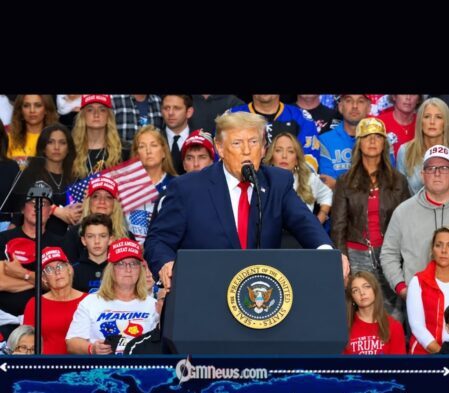
The exchange between Pedro Sánchez and Donald Trump underscores a broader debate over how history should inform present-day policy. While Sánchez emphasizes caution based on past experience, U.S. officials argue that current threats require decisive action.
These competing narratives reflect differing assessments of risk, responsibility, and the effectiveness of military versus diplomatic solutions. The outcome of this debate will likely shape international responses in the months ahead.
As global tensions persist, the challenge for policymakers remains finding a balance between security objectives and the lessons of history.
FoSEnYRcnzkCFxcrkTIkEJxP