


























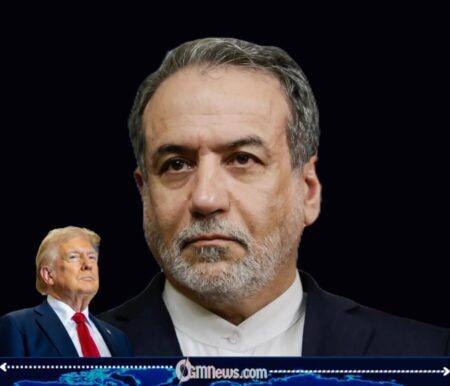
Iran’s Foreign Minister, Abbas Araghchi, has stated that the country is fully prepared for the possibility of a United States ground invasion, asserting that Iran is ready to confront any such military action. His remarks, delivered amid rising geopolitical tensions, signal a firm and defensive posture from Tehran in response to evolving regional dynamics.
The statement adds to ongoing international concerns regarding escalation in the Middle East, where military activities and political rhetoric have intensified. It also reflects Iran’s broader strategy of deterrence, aimed at discouraging direct foreign military intervention through strong public messaging.
Iran’s Stated Military Readiness
Araghchi emphasized that Iran is not only aware of potential threats but is also strategically prepared to respond. He suggested that the country’s armed forces and defensive systems are positioned to handle a range of scenarios, including a large-scale ground operation.
According to his remarks, Iran views the possibility of a ground invasion as unlikely but not impossible, and therefore maintains readiness as part of its national defense doctrine. The statement underscores Iran’s long-standing emphasis on military preparedness and self-reliance in the face of external pressures.
Message of Deterrence and Confidence
The Foreign Minister’s comments were widely interpreted as a message of deterrence aimed at discouraging adversaries from considering direct military engagement. By publicly declaring readiness, Iran seeks to project strength and confidence in its defensive capabilities.
Such statements are often used in international relations to influence strategic calculations of other states. In this context, Araghchi’s remarks may be intended to signal that any ground incursion would encounter significant resistance and potential consequences.
Broader Tensions with the United States
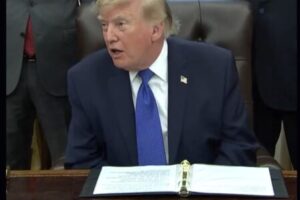
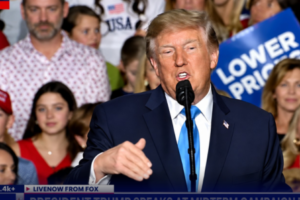
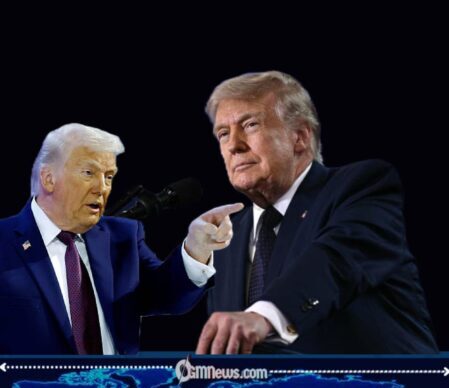
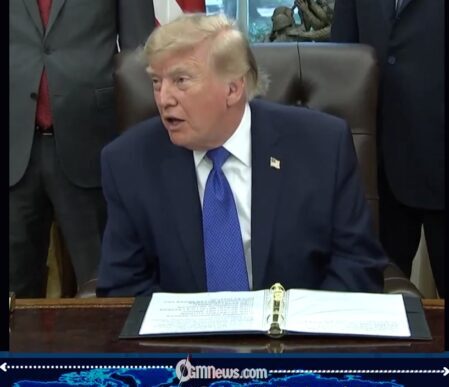
Relations between Iran and the United States remain strained, with both sides maintaining differing positions on security, nuclear policy, and regional influence. The current U.S. leadership under Donald Trump has been involved in managing these tensions through a mix of military presence and diplomatic signaling.
Discussions around possible military actions, including ground operations, have contributed to heightened alertness across the region. While no confirmed plans for invasion exist, rhetoric from both sides continues to shape perceptions and expectations internationally.
Araghchi: Regional and International Reactions
Araghchi’s statement has drawn attention from analysts and policymakers monitoring stability in the Middle East. Many view such declarations as part of a broader pattern of strategic communication rather than immediate indicators of impending conflict.
Neighboring countries and global powers remain cautious, as any escalation between Iran and the United States could have significant implications for global security, energy markets, and diplomatic relations. International organizations continue to call for restraint and dialogue to prevent further deterioration of the situation.
Future Expectations
Abbas Araghchi’s declaration that Iran is prepared for a potential U.S. ground invasion highlights the ongoing tensions and strategic posturing between Tehran and Washington. While framed as a defensive stance, the statement contributes to a complex geopolitical environment where communication, deterrence, and diplomacy all play critical roles.
As developments unfold, the international community is likely to continue monitoring both rhetoric and actions closely, with an emphasis on avoiding escalation and maintaining regional stability.
Ae888covenuscasino, okay, I'm curious. Gonna check out this site and try to find some amazing...