


























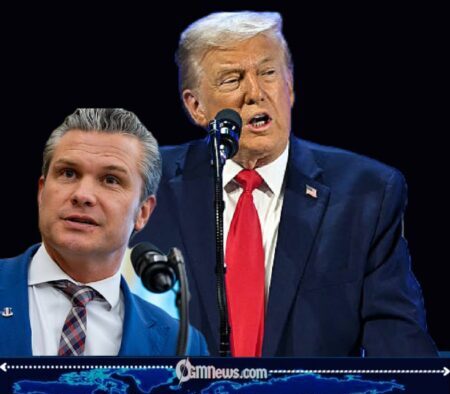
U.S. Defense Secretary Pete Hegseth has taken center stage in the ongoing debate over potential American military involvement in Iran, expressing confusion over why segments of the political base are questioning President Donald Trump’s record. As speculation grows about the possibility of deploying U.S. troops, Hegseth has firmly defended the administration’s approach, portraying it as measured and consistent.
His remarks come amid heightened geopolitical tensions and renewed scrutiny of U.S. foreign policy in the Middle East. While the administration maintains that no final decision has been made regarding troop deployment, the discussion has reignited broader concerns about military commitments abroad.
Hegseth’s Defense of Administration Policy
At the forefront of the debate, Pete Hegseth has pushed back strongly against critics who question the administration’s intentions. He argued that President Donald Trump has demonstrated a consistent pattern of restraint, even when adopting tough rhetoric on global security issues.
According to Hegseth, skepticism from supporters overlooks key moments where the administration opted against large-scale military engagement. He emphasized that such decisions reflect a deliberate effort to prioritize American interests without entangling the country in prolonged conflicts.
Iran Tensions Drive Policy Debate
The evolving situation in Iran has brought renewed urgency to U.S. defense discussions. Reports of rising instability and regional friction have prompted officials to consider a range of responses, including the possibility of direct military involvement.
While diplomatic channels remain active, the option of deploying ground forces has sparked significant debate. Pete Hegseth has reiterated that contingency planning is a routine part of national defense strategy, though he stopped short of confirming any imminent action.
Addressing Criticism Within the Base
A notable aspect of the controversy is the criticism emerging from within the president’s own support base. Some supporters have expressed concern that earlier promises to avoid foreign entanglements may not align with current discussions about troop deployment.
In response, Pete Hegseth questioned the basis of such concerns, arguing that the administration’s actions speak louder than its rhetoric. He maintained that past decisions illustrate a cautious approach rather than a departure from campaign commitments.
Strategic Balance in the Middle East
Defense analysts note that the administration faces a complex challenge in balancing deterrence with diplomacy. The Middle East’s volatile dynamics mean that any military move involving Iran could have far-reaching consequences.
Pete Hegseth has emphasized the importance of maintaining flexibility, ensuring that the United States can respond effectively to threats while avoiding unnecessary escalation. This balancing act remains central to the administration’s broader strategy.
Domestic and Political Implications
The debate has significant implications on the home front, particularly for President Donald Trump, who is serving a second term. His political identity has been closely tied to reducing U.S. involvement in overseas conflicts, making the current discussion especially sensitive.
Pete Hegseth’s defense of the administration underscores the importance of maintaining support among core voters. At the same time, political opponents continue to scrutinize the administration’s stance, calling for clarity and consistency.
Hegseth Signals Cautious Path Forward
Pete Hegseth has indicated that no definitive decision has been made regarding troop deployment to Iran. He stressed that all options remain under consideration, guided by national security priorities and evolving developments.
As the situation unfolds, Hegseth’s remarks highlight the administration’s effort to navigate a complex intersection of global strategy and domestic expectations. Whether this approach will satisfy both supporters and critics remains uncertain, but the debate is likely to continue shaping U.S. foreign policy in the months ahead.
[…] […]