





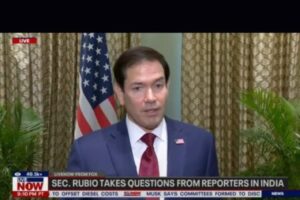


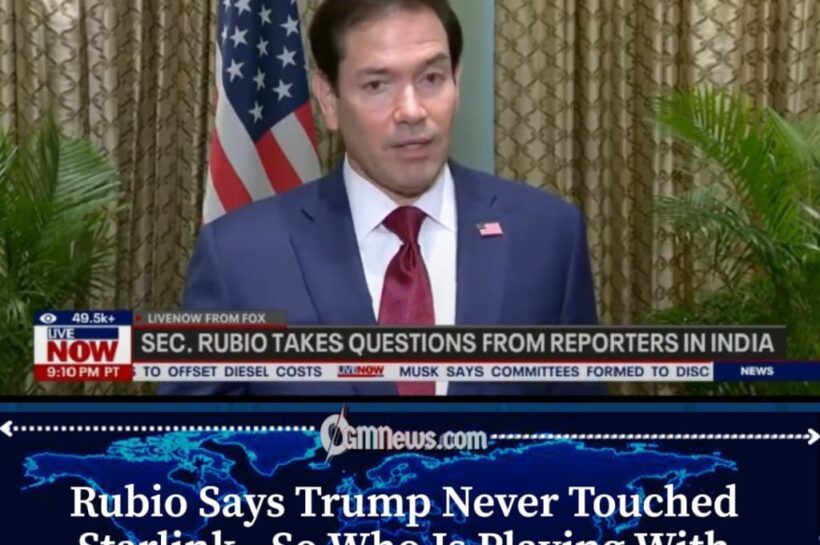





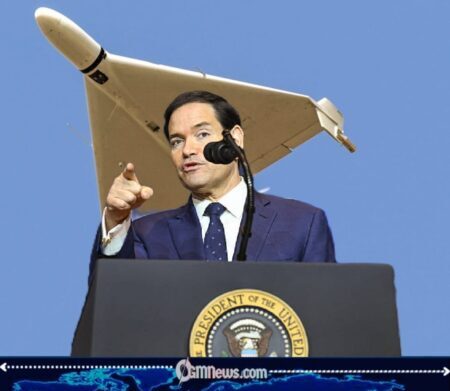
Marco Rubio, the United States Secretary of State, has taken center stage in escalating diplomatic efforts by demanding that Iran immediately stop the production of drones and missiles allegedly used in recent attacks. His statement marks one of the most direct warnings yet from Washington regarding Tehran’s military activities.
Rubio stressed that the continued development and deployment of such weapons threaten not only regional stability but also global security. He made it clear that the United States is closely monitoring the situation and is prepared to respond if necessary, signaling a firm stance under current U.S. foreign policy.
Concerns Over Weapon Use in Recent Attacks
At the heart of Rubio’s warning are intelligence reports suggesting that Iranian-manufactured drones and missile systems have played a role in several recent attacks across conflict-prone areas in the Middle East. Although specific incidents were not disclosed, U.S. officials pointed to patterns consistent with Iranian military technology.
Iran has repeatedly denied such allegations in the past, maintaining that its defense programs are not linked to external aggression. Nonetheless, Rubio emphasized that the growing sophistication of these weapons raises serious concerns that cannot be ignored.
Marco Rubio Pushes for Unified Global Response
Rubio is also urging the international community to take a united stand against the spread of advanced drone and missile technologies. He called on U.S. allies to strengthen cooperation and increase pressure on Iran to comply with global security expectations.
Diplomatic sources indicate that Washington may pursue additional sanctions and coordinated measures with partner nations. Rubio’s approach reflects a broader strategy aimed at isolating Iran diplomatically while encouraging compliance through collective action.
Iran’s Likely Response and Strategic Position
While Iran has not yet issued a formal response to Rubio’s latest remarks, its leadership has consistently defended its right to maintain and develop military capabilities. Iranian officials often describe their weapons programs as essential for national defense and deterrence.
This ongoing standoff highlights the deep divide between Washington and Tehran, with little immediate indication of compromise. Analysts warn that without diplomatic breakthroughs, tensions could intensify, potentially affecting multiple countries in the region.
Support from the Trump Administration
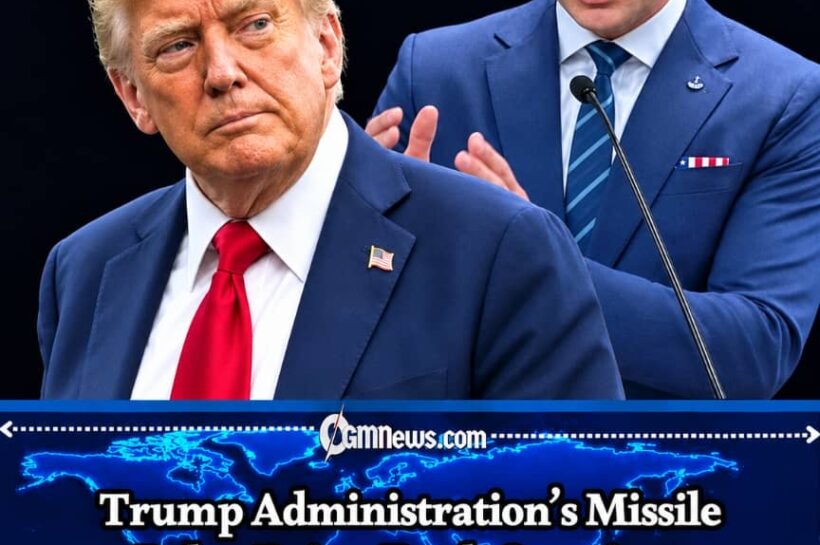
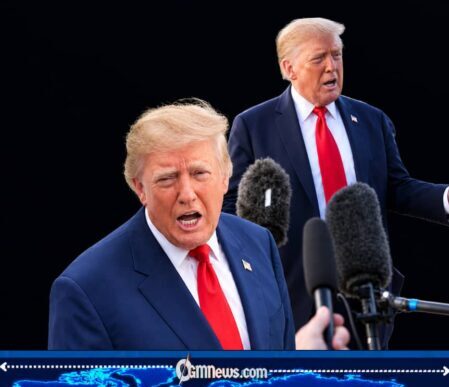
Rubio’s position aligns closely with the foreign policy direction of Donald Trump, under whose leadership the United States has adopted a firm approach toward Iran. The administration has prioritized deterrence while maintaining openness to negotiations under strict conditions.
Officials within the administration have echoed Rubio’s concerns, reinforcing the message that the U.S. is committed to countering threats linked to drone and missile proliferation. This coordinated stance underscores the seriousness of the issue within Washington.
Global Reactions and What Lies Ahead
The international response to Rubio’s demand has been varied. Some nations have expressed support for stronger measures against Iran, while others have called for restraint and renewed diplomatic engagement to avoid escalation.
As tensions continue to build, the actions taken in the coming weeks will be crucial. Whether through diplomacy or increased pressure, Marco Rubio has positioned himself at the forefront of this unfolding geopolitical challenge, shaping the direction of U.S. engagement with Iran.

Logging in is a breeze and the site stability is amazing even during peak hours....