

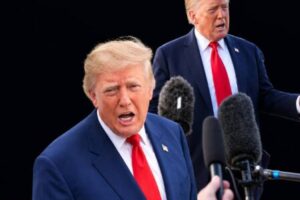
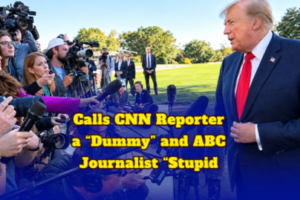











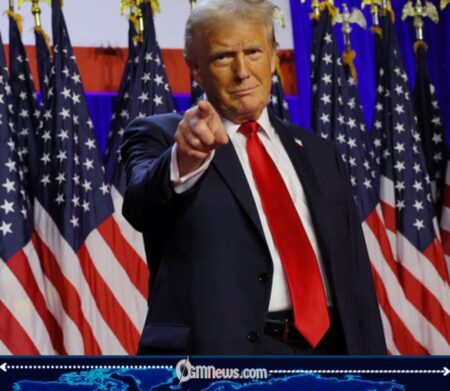
United States President serving a second term, Donald Trump, has come under intense scrutiny following remarks in which he alleged that the Democratic Party wins elections through cheating. In the same statements, he promoted a proposed legislative framework known as the “SAVE America Act,” which he claims would strengthen election integrity and prevent future electoral manipulation.
The comments have triggered widespread reactions across political and civil society groups, with critics warning that the proposed measures could significantly restrict voter participation. Supporters, however, argue that the initiative is necessary to restore confidence in the electoral system and ensure stricter compliance with voting regulations.
Trump’s Allegations of Electoral Fraud
Donald Trump reiterated his longstanding position that electoral outcomes in the United States are susceptible to manipulation. He asserted that Democrats have benefited from irregularities in past elections, suggesting that these alleged practices have influenced outcomes in their favor.
These claims are consistent with rhetoric Trump has maintained over time, particularly in discussions surrounding previous national elections. However, election authorities and independent observers have repeatedly rejected assertions of widespread fraud, stating that existing systems include safeguards designed to ensure accuracy and transparency in vote counting and certification.
Overview of the “SAVE America Act” Proposal
Trump used the opportunity to outline what he described as the core objectives of the “SAVE America Act,” a proposed policy aimed at reforming electoral procedures. According to his statements, the bill would introduce enhanced voter verification processes, stricter identification requirements, and tighter controls on ballot handling.
He presented the proposal as a corrective measure intended to address perceived weaknesses in the current system. Trump emphasized that the legislation would reinforce accountability and reduce the likelihood of fraud, framing it as a necessary step toward improving the credibility of future elections.
Concerns Over Potential Voter Disenfranchisement
Opponents of the proposed legislation have expressed concern that the measures could lead to voter suppression, particularly among marginalized and vulnerable groups. Critics argue that stricter identification requirements and administrative barriers may create obstacles for millions of eligible voters.
Civil rights advocates have warned that such provisions could disproportionately impact low-income individuals, elderly citizens, and minority communities who may face challenges in meeting documentation requirements. They stress that any electoral reform must carefully balance security with the constitutional right to vote, ensuring that access is not unintentionally restricted.
Political Reactions and Divisions
The remarks by Donald Trump have further deepened political divisions within the United States. Members of the Democratic Party have rejected the allegations outright, describing them as unfounded and potentially harmful to public trust in democratic institutions.
Republican allies, meanwhile, have shown varying degrees of support for stricter election laws, aligning with Trump’s broader stance on election integrity. The contrasting reactions highlight the continued polarization surrounding election policy, with both sides maintaining sharply different perspectives on the causes of electoral disputes and the appropriate remedies.
Implications for Election Policy and Governance
The ongoing debate surrounding Trump’s statements and the proposed legislation underscores broader questions about the future of election administration in the United States. Analysts note that discussions over voter access, security measures, and electoral transparency are likely to remain central to political discourse.
If advanced, the “SAVE America Act” could influence how elections are conducted and regulated at both federal and state levels. Observers suggest that the outcome of this policy debate will have lasting implications for governance, public confidence in elections, and the balance between safeguarding systems and protecting voter participation.
Outlook and Continuing National Debate
As discussions continue, Donald Trump’s position on election integrity and the proposed reforms is expected to remain a focal point in national politics. The controversy surrounding his remarks reflects broader tensions over trust in institutions and the legitimacy of electoral outcomes.
With stakeholders from across the political spectrum weighing in, the future of election reform in the United States will likely depend on legislative negotiations, public opinion, and judicial review. The debate remains active, with significant consequences for upcoming elections and the overall health of democratic processes.
Logging in is a breeze and the site stability is amazing even during peak hours....