








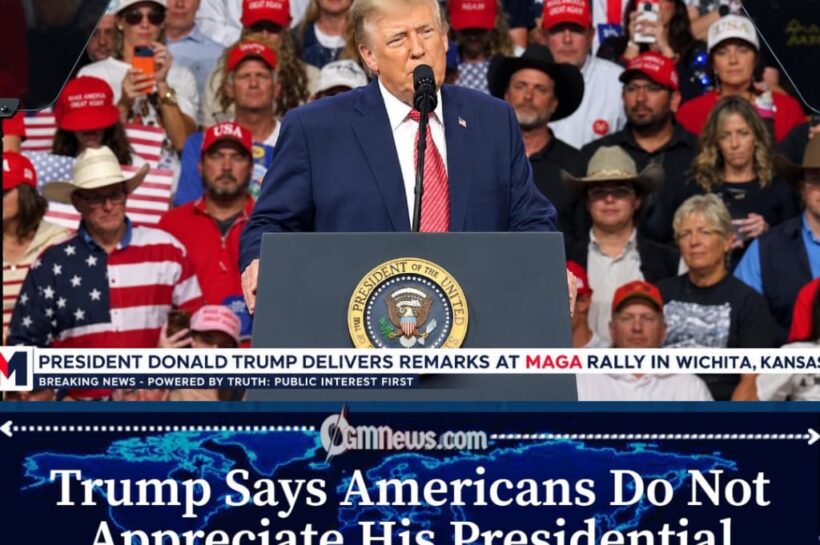




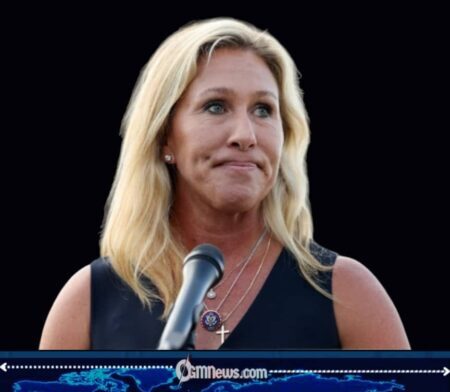
Marjorie Taylor Greene has publicly stated that she no longer believes Donald Trump deserves consideration for the Nobel Peace Prize, citing the ongoing U.S. military conflict with Iran as the central reason for her change of position. The remarks mark a significant shift in tone from one of Trump’s previously loyal political allies and highlight growing divisions within conservative political circles over American involvement in the Middle East.
Greene’s comments come at a time when the war with Iran continues to dominate international headlines and domestic political debate in the United States. Her criticism has intensified an increasingly visible dispute between the two figures, drawing attention to disagreements over foreign policy and the direction of the broader conservative movement.
Greene Questions Nobel Peace Prize Claims
Marjorie Taylor Greene said the decision to engage militarily with Iran contradicts the image of a leader committed to global peace—an image some supporters had previously cited when suggesting that Trump deserved recognition from the Nobel Peace Prize committee.
Greene argued that initiating or participating in a new armed conflict undermines the argument that Trump’s foreign policy represents a peace-focused approach. Her remarks reflect concerns among some political commentators that the war could evolve into a prolonged military engagement.
In multiple statements and media appearances, Marjorie Taylor Greene emphasized that her criticism centers on the broader consequences of the war rather than personal political rivalry, though the disagreement has nevertheless contributed to a visible rift.
Escalating Political Feud Between Greene and Trump
The disagreement has developed into one of the most notable public disputes between Marjorie Taylor Greene and Donald Trump, who is currently serving his second term as president of the United States. The two figures had previously maintained a close political relationship, with Greene often defending Trump’s policies and political positions.
However, tensions began to surface as debates over foreign policy intensified following the outbreak of the Iran conflict. Analysts say the war has created divisions within segments of the conservative movement that traditionally supported Trump’s “America First” approach to international affairs.
As the war continues, Marjorie Taylor Greene has emerged as one of the most outspoken conservative critics questioning whether the conflict aligns with earlier promises to avoid new overseas wars.
MAGA Movement Faces Internal Debate
Greene’s remarks have sparked broader discussion among supporters of the MAGA political movement about the direction of U.S. foreign policy. Some conservative commentators have echoed Greene’s concerns, arguing that extended military involvement abroad could contradict the movement’s emphasis on limiting overseas interventions.
Others within the movement continue to support the administration’s actions, arguing that military pressure is necessary to counter security threats posed by Iran and protect American allies in the region.
Political analysts say the divide illustrates how foreign policy decisions can reshape alliances within political movements. Marjorie Taylor Greene’s criticism has therefore become part of a wider debate over how the United States should balance national security concerns with calls for restraint in overseas conflicts.
Nobel Peace Prize Debate Resurfaces
The Nobel Peace Prize has periodically appeared in discussions surrounding Trump’s foreign policy achievements and ambitions. Some supporters have previously argued that diplomatic initiatives during earlier periods of his political career justified consideration for the international award.
However, critics say the outbreak of war complicates that narrative. By publicly stating that she no longer believes Trump deserves the prize, Marjorie Taylor Greene has revived a broader conversation about how the international community evaluates peace-related achievements by global leaders.
While the Nobel Peace Prize is awarded by the Norwegian Nobel Committee, debates about potential nominees frequently emerge in political discourse long before official nominations are considered.
Political Fallout as War Continues
The feud between Marjorie Taylor Greene and Donald Trump highlights the complex political consequences of the Iran war within the United States. The conflict has triggered intense debate among lawmakers, commentators, and voters about the country’s military strategy and long-term goals.
Supporters of the administration argue that decisive military action is necessary to counter perceived threats from Iran and maintain stability in the region. Critics, however, warn that escalating hostilities could produce unpredictable geopolitical consequences.
As the conflict unfolds, the disagreement between Marjorie Taylor Greene and President Donald Trump may continue to influence discussions about the future direction of conservative politics and U.S. foreign policy.

The weekly tournaments here keep me coming back because the prize pools are surprisingly generous....