





























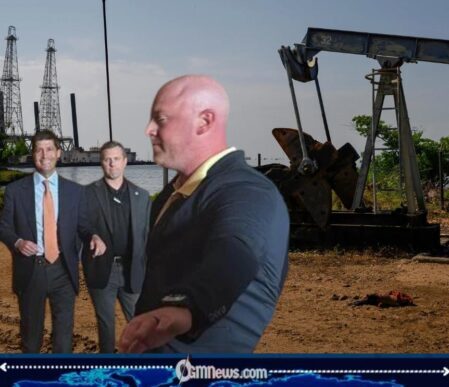
35% oil stake plans involving the U.S. government and Venezuelan businessman Alejandro Betancourt have thrust President Donald J. Trump’s Venezuela strategy into a new and unusually commercial chapter, according to a report citing people involved in the negotiations. The proposed arrangement would reportedly give the United States a passive 35% interest in Betancourt’s North American Blue Energy Partners, alongside preferential rights to buy 20% of the company’s production at cost. The headline sounds almost like a corporate takeover with a Pentagon letterhead—but the details are considerably more complicated.
Washington Wants 35% of a Venezuelan Oil Venture—But Who Is Taking the Risk?
Under the reported plan, the Pentagon’s Office of Strategic Capital would structure the U.S. interest through so-called penny warrants, potentially allowing Washington to obtain equity without putting up a substantial amount of capital. That would represent an extraordinary development in the U.S. government’s involvement in Venezuela’s oil industry, particularly because the proposed stake would not simply amount to a loan or conventional assistance. The arrangement would reportedly also give the United States preferential access to a portion of the venture’s oil production at cost.
The proposal follows Trump’s announcement that the United States had secured control over more than 65 billion barrels of Venezuela’s proven oil reserves through a partnership with private business. Trump has presented the broader arrangement as a major energy opportunity for the United States and has suggested it could help lower American fuel prices. In Washington, however, the oil deal has already generated an awkward question: when does helping private investment become the government becoming an investor itself? That question is particularly relevant because the Pentagon’s own spokesman, Sean Parnell, has said the Office of Strategic Capital does not take equity stakes in private companies and is legally limited to forms of capital assistance such as loans, guarantees and technical support.
Trump’s Oil Gamble Puts Washington Inside a Venezuelan Business
Betancourt has become a central figure in Washington’s Venezuela strategy. His company is described as the country’s second-largest private oil producer, and reporting indicates that he has been acting as an intermediary between U.S. officials and Venezuelan authorities while helping facilitate efforts to restart and expand oil production. His growing importance has also attracted scrutiny because of investigations and allegations surrounding his business dealings; he has denied wrongdoing, while recent reporting has described U.S. officials as having intervened in a Swiss criminal investigation involving him.
The broader economic challenge is substantial. Venezuela possesses enormous petroleum reserves, but years of underinvestment, sanctions, deteriorating infrastructure and mismanagement have left production well below the country’s potential. Even if the political and financial arrangements are completed, turning reserves into substantial additional output would require significant investment and time. That means the promised oil bonanza may arrive considerably later than the political headlines suggest—and, in the meantime, the reported 35% stake is likely to attract questions over transparency, legal authority, conflicts of interest and who ultimately carries the financial risk.
The reported deal therefore leaves Washington standing at an unusual crossroads: the Trump administration wants American influence over Venezuelan oil to increase, while officials still have to explain precisely how a government equity position would fit within existing Pentagon authorities. For now, the reported 35% stake remains a developing arrangement rather than a fully settled transaction, and the conflicting descriptions surrounding the Pentagon’s role make the next steps particularly important. OGM News will continue watching the negotiations, official clarifications and any legal or political fallout as this extraordinary Venezuela oil story develops.
Casinoabc999? Good Site. The interface is sleek, and there is a lot of stuff to...