









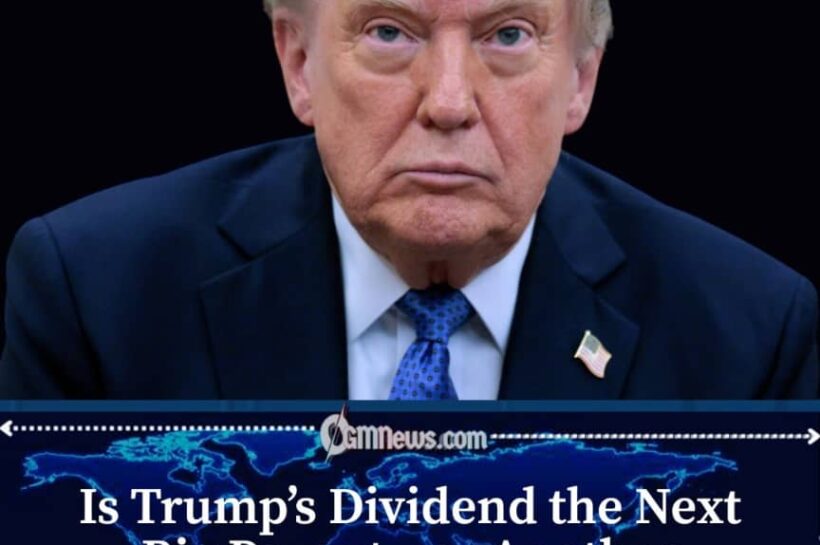













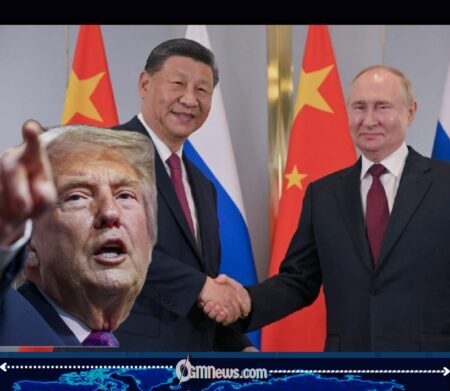
In a week of unprecedented political choreography, Chinese President Xi Jinping hosted Russian President Vladimir Putin just days after US President Donald Trump’s high-profile visit to Beijing. The rapid succession of state visits has left global observers questioning whether Beijing is subtly signaling its growing independence from Washington’s diplomatic influence.
Succession Diplomacy
Less than seven days after Trump’s departure, Putin arrived in the Chinese capital for a state visit clearly designed to demonstrate Moscow and Beijing’s strategic alignment. The meetings are expected to cover a broad array of topics, including energy cooperation, military coordination, and shared positions on US-Iran tensions that have disrupted global oil markets.
Xi’s ability to host both leaders in such close succession highlights China’s careful calibration of global messaging. While Trump’s visit focused primarily on trade and economic engagement, Putin’s discussions leaned toward security and geopolitical strategy, underlining the contrasting priorities of the two world powers visiting Beijing. Analysts note that Xi’s handling of these visits exemplifies China’s skill in balancing competing international interests while asserting its own agenda.
Geopolitical Implications
The timing of these visits is particularly significant as the world watches US-Iran tensions escalate alongside Russia’s protracted war in Ukraine. China’s engagement with both Washington and Moscow underscores Beijing’s growing role as a central figure in global diplomacy. While officially maintaining neutrality, Xi’s rapid-fire hosting of both Trump and Putin suggests a careful messaging strategy intended to demonstrate China’s influence without overtly antagonizing any side.
Experts warn that this dual engagement could shift global power dynamics, giving Beijing greater leverage in conflicts affecting energy markets, trade, and security policy. The optics of the visits are also crucial: while Trump’s red-carpet reception emphasized American prestige, Putin’s state visit reinforced the image of a tightly aligned Sino-Russian partnership. This dual narrative highlights China’s unique position at the intersection of competing geopolitical interests, emphasizing its emerging role as a strategic hub capable of shaping global outcomes.
China’s succession diplomacy, epitomized by Trump’s departure and Putin’s arrival, reflects an era in which Beijing is flexibly asserting influence on multiple fronts. Xi Jinping has demonstrated that hosting world leaders in rapid succession can send complex messages without explicit statements, leaving Washington and Moscow alike reading between the lines. OGM News will continue tracking how these high-stakes visits affect the global balance of power, energy security, and diplomatic maneuvering in the weeks to come.
[…] […]