










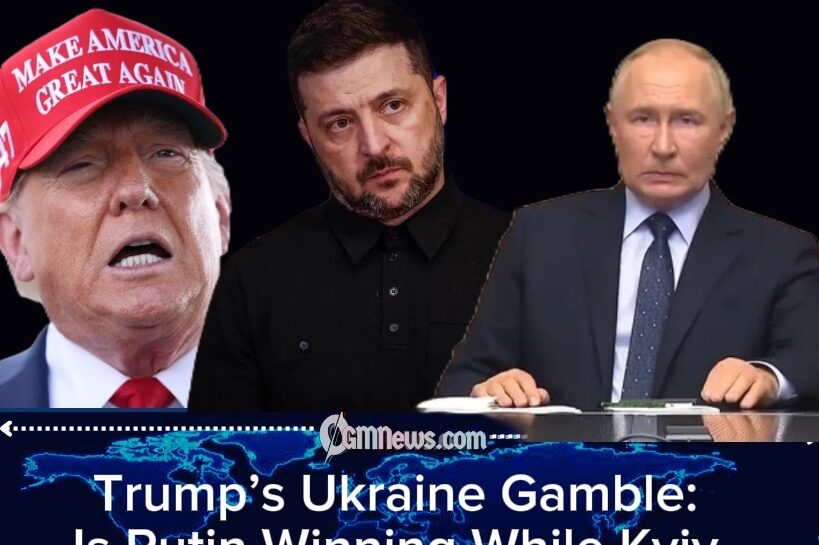


















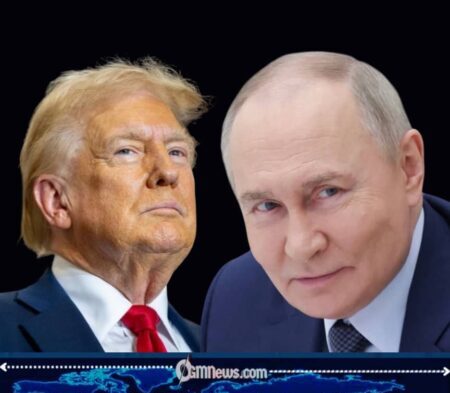
Vladimir Putin has reportedly proposed a conditional arrangement in which Russia would halt intelligence cooperation with Iran if the United States ends its military and intelligence support for Ukraine.
Vladimir Putin’s reported position reflects a significant attempt to connect two major geopolitical conflicts into a single negotiating framework. According to diplomatic sources cited by international media, Vladimir Putin is seeking to leverage Russia’s role in the Middle East to influence outcomes in Eastern Europe.
The proposal attributed to Vladimir Putin has drawn immediate attention in global policy circles, as it introduces a complex linkage between two separate theatres of conflict with far-reaching implications.
Vladimir Putin’s Strategy and Geopolitical Calculations
Analysts say Vladimir Putin’s approach demonstrates a broader strategic effort to expand Russia’s influence across multiple regions simultaneously. By tying intelligence cooperation with Iran to U.S. actions in Ukraine, Vladimir Putin appears to be increasing Moscow’s leverage in ongoing geopolitical negotiations.
This strategy reflects a shift from traditional diplomacy toward more interconnected bargaining tactics. Vladimir Putin’s proposal suggests that Russia is willing to use its relationships in one region to secure advantages in another.
Experts believe Vladimir Putin’s move is also aimed at testing Western unity, particularly within alliances such as NATO.
Allegations of Russia–Iran Intelligence Cooperation
Western officials have long expressed concern about growing cooperation between Russia and Iran, particularly in areas such as intelligence-sharing and military technology.
Reports from international outlets indicate that such collaboration could include satellite imagery, drone technology, and tactical intelligence that may enhance Iran’s operational capabilities. These developments have raised alarms in Washington and among European allies.
Russia has consistently denied providing direct support for offensive actions, maintaining that its engagement with Iran is focused on regional stability and diplomatic coordination.
U.S. Response Under President Donald Trump
The United States, under President Donald Trump, has reportedly rejected the proposal linked to Vladimir Putin, reaffirming its commitment to supporting Ukraine.
U.S. officials argue that accepting such a condition would undermine international security and weaken Ukraine’s ability to defend itself. The administration has emphasized that its policies in Eastern Europe are not negotiable in exchange for concessions elsewhere.
The response highlights ongoing tensions between Washington and Moscow, as both sides continue to pursue competing strategic objectives.
Interconnection of Global Conflicts
The situation underscores a broader trend in international relations, where conflicts in different regions are becoming increasingly interconnected.
Analysts note that decisions made in one geopolitical arena can now influence developments in another, creating a more complex and interdependent global landscape. This dynamic makes diplomatic negotiations more challenging and unpredictable.
The linkage proposed by Vladimir Putin illustrates how major powers are adapting their strategies to this evolving environment.
Implications for Global Security and Diplomacy
The reported proposal carries significant implications for global security. For Ukraine, continued U.S. support remains critical, while in the Middle East, concerns about Iran’s capabilities and regional influence persist.
Experts warn that linking these issues could increase tensions and complicate efforts to reach diplomatic solutions. At the same time, it highlights the importance of maintaining clear and consistent policies across different regions.
As the situation develops, Vladimir Putin’s proposal serves as a reminder of the increasingly complex nature of modern geopolitics.


The weekly tournaments here keep me coming back because the prize pools are surprisingly generous....