




























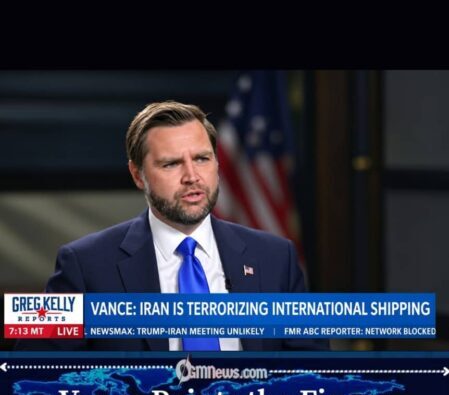
Vice President JD Vance has pointed directly at Iran while explaining why Americans are paying more at the pump, arguing that Iranian missile and drone attacks on commercial shipping are disrupting the movement of oil. In remarks reported on September 3, Vance said the situation was “fundamentally about the Iranians,” while pointing to continued attacks on commercial vessels around the Strait of Hormuz.
When Tankers Become Targets, Gas Stations Feel the Shock
Vance’s argument comes as the Strait of Hormuz remains one of the most closely watched pieces of real estate in the global energy market. The waterway normally carries a huge share of the world’s oil and gas, but ongoing attacks and security concerns have forced some vessels to avoid the route, switch off tracking systems or take expensive alternative arrangements. Recent shipping data showed traffic through the strait well below normal levels.
And that is where the satire practically writes itself: a missile is launched thousands of miles away, a tanker captain becomes nervous, an insurance company becomes even more nervous, and somewhere in America a driver begins staring suspiciously at the price displayed at the gas station. Recent reporting has also documented a shortage of large oil tankers and sharply higher tanker rates, adding another layer of cost to the already disrupted energy trade.
Hormuz Turns Into a Global Price Calculator
The situation has become more complicated than simply counting ships. Vance said about 15 million barrels had moved through the Strait of Hormuz in one day despite Iranian attacks, while other shipping trackers have reported much lower traffic figures on individual days. Analysts caution that vessels can disappear from tracking systems and that daily figures can vary significantly.
Meanwhile, oil markets remain sensitive to every fresh development. Reuters reported on September 22 that Brent crude was around $101 a barrel as markets watched for possible U.S.-Iran diplomatic progress, while Saudi Arabia has increased shipments through Gulf terminals after attacks disrupted an alternative pipeline route. In other words, the global fuel-price equation now has missiles, tankers, pipelines, insurance bills and diplomacy all fighting for a seat at the table.
For now, Vance’s explanation places Iran’s attacks on commercial shipping at the center of the administration’s argument over high gas prices. The wider evidence shows that the conflict is indeed disrupting oil transportation and raising shipping costs, while the exact contribution of each factor to what American motorists pay remains a more complicated question. With President Donald J. Trump continues to oversee the U.S. response to the Iran conflict, OGM News will keep watching the ships, the oil markets and, naturally, the gas station price boards for the next chapter.


[…] […]