
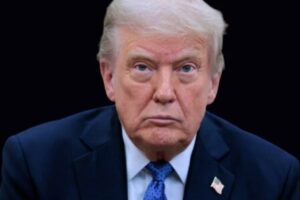





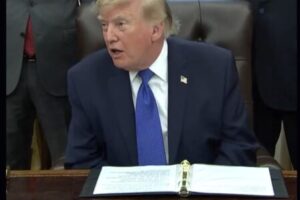




















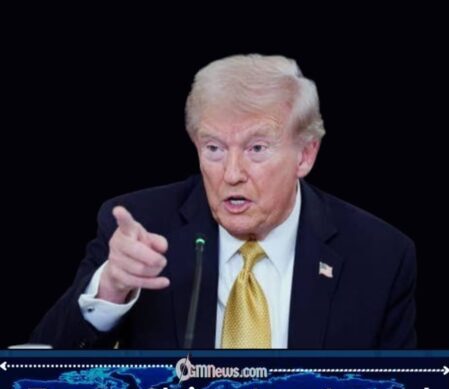
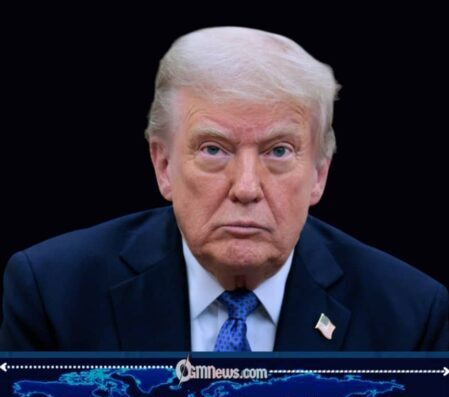
Trump described the negotiations as nearing a decisive stage and claimed Iran had accepted strict conditions tied to nuclear development, maritime security, and future regional stability. According to the president’s public remarks, Iran would stop pursuing nuclear weapons ambitions while discussions continued regarding enriched uranium stockpiles and broader security guarantees. The White House also linked the talks to reopening shipping routes through the Strait of Hormuz, one of the world’s most strategically important waterways.
Iranian officials, however, appeared far less enthusiastic about the public framing of the talks. Sources connected to Tehran insisted that no finalized agreement existed concerning the transfer of enriched uranium outside Iranian territory. Iranian representatives reportedly argued that the nuclear issue remains under negotiation and accused Washington of exaggerating progress for political optics. The disagreement exposed the familiar pattern of modern diplomacy in which headlines often travel faster than signed documents.
Iran Denies “Surrender” as Trump Celebrates Nuclear Breakthrough Online
The Trump administration’s handling of Iran has already transformed global discussions surrounding nuclear negotiations. Since withdrawing from earlier international agreements years ago, Trump has consistently argued that previous arrangements gave Tehran too much freedom while failing to permanently block nuclear ambitions. Recent talks appear designed to produce a tougher and more symbolic outcome, one capable of demonstrating visible concessions from Iran while satisfying security concerns among American allies in the region.
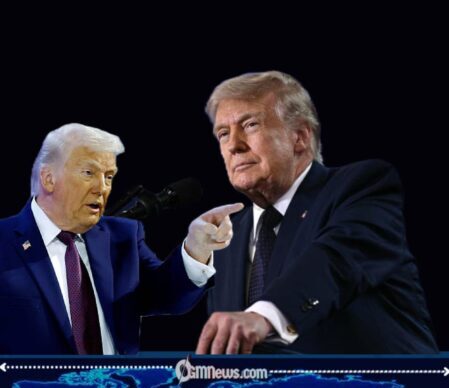
Yet skepticism remains widespread among foreign policy observers. Some analysts argue that both Washington and Tehran are carefully shaping public narratives to protect their political images at home. Trump’s supporters view the uranium discussions as evidence of strong negotiating tactics, while critics question whether announcing unfinished agreements risks undermining the negotiations themselves. Online reactions have ranged from serious geopolitical analysis to widespread satire, particularly surrounding Trump’s repeated use of the phrase “nuclear dust,” which quickly became one of the internet’s most replayed political expressions this week.
Trump Wants Iran’s “Nuclear Dust” and the Internet Has Questions
As negotiations continue behind closed doors, the Trump-Iran uranium dispute may ultimately determine whether the region moves toward de-escalation or another dangerous cycle of confrontation. Diplomats across Europe and the Middle East are reportedly monitoring the situation closely, especially as energy markets remain sensitive to any disruption involving Iran or the Strait of Hormuz.
For now, the political theater surrounding the talks remains almost as intense as the nuclear concerns themselves. Whether the agreement becomes a landmark diplomatic breakthrough or another headline-grabbing disagreement may depend on what both governments are willing to confirm publicly in the coming days. OGM News will continue tracking developments as the uncertainty surrounding Trump, Iran, and uranium diplomacy continues to unfold.
[…] […]