

























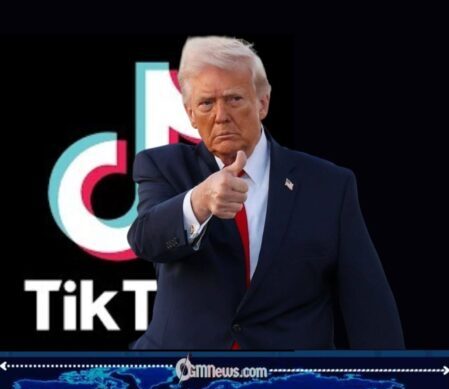
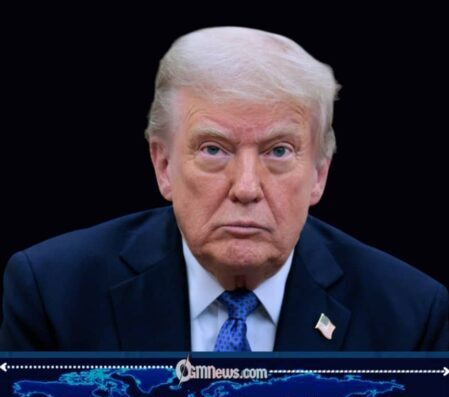
Trump has once again thrust TikTok into the center of America’s political conversation after arguing that the social media platform should not be viewed as a national security threat because, according to him, he is its biggest star. The remark immediately ignited a wave of reactions across social media, with supporters applauding the president’s confidence while critics questioned both the accuracy of the claim and whether personal popularity should have any place in discussions involving national security.
Trump’s TikTok Fame Ahead of National Security Debate, Critics Say
President Donald Trump made the remarks while discussing TikTok’s future in the United States, suggesting that the platform’s influence on his own political messaging demonstrated that it should not be treated as a national security concern. The statement quickly became one of the day’s most talked-about political moments, drawing attention away from the broader policy debate and toward the president’s claim about his standing on the platform. In classic Trump fashion, the comment blended confidence, politics, and entertainment into a single headline-grabbing moment.
Critics were quick to push back, arguing that national security assessments should be based on intelligence findings and cybersecurity risks rather than the popularity of any individual public figure. Social media users also began comparing Trump’s claim with publicly available follower rankings, with several independent tracking platforms indicating that numerous entertainers, athletes, influencers, and global celebrities have significantly larger TikTok audiences. While online rankings can change over time depending on the source and methodology used, many observers concluded that the president’s statement appeared to be more rhetorical than factual. The internet, never one to miss an opportunity for satire, responded with memes suggesting that algorithms may be easier to persuade than statistics.
Trump’s Popularity Claim Faces Scrutiny as Online Rankings Tell a Different Story
The renewed controversy has also brought attention back to the larger debate surrounding TikTok itself. For several years, U.S. officials from both major political parties have expressed concerns that the platform’s Chinese parent company, ByteDance, could potentially expose American user data or allow foreign influence over content recommendations. TikTok has consistently rejected those allegations, maintaining that it has implemented extensive safeguards to protect U.S. user information and operates independently from the Chinese government.
Trump’s latest comments also highlight how dramatically the political conversation surrounding TikTok has evolved. During previous years, he supported efforts to restrict or force the sale of the platform over security concerns. More recently, however, he has argued that eliminating TikTok could unintentionally strengthen competing social media companies while limiting an important avenue of communication with younger voters. His latest defense therefore reflects a broader shift in political strategy as technology, campaigning, and social media become increasingly interconnected. Whether one views the remark as calculated messaging, political humor, or another example of Trump’s trademark confidence, it has once again succeeded in placing him—and TikTok—at the center of the national conversation.
As the debate continues, the real issue extends beyond follower counts and viral posts. The future of TikTok in the United States will ultimately depend on legal decisions, national security assessments, and political negotiations rather than social media rankings. For now, however, Trump’s latest remark has achieved one undeniable result: it has once again transformed a policy debate into a cultural spectacle, ensuring that the conversation surrounding Trump and TikTok remains far from over.

[…] […]