





























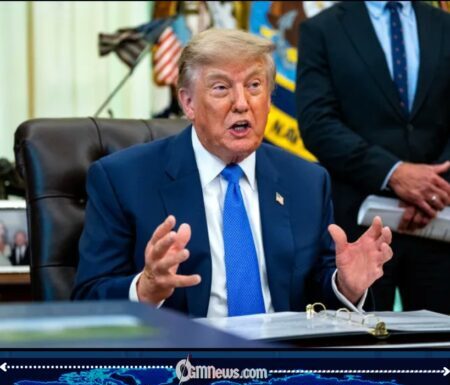
President Donald Trump is racing against the political calendar to fill more federal judicial seats before the November midterm elections potentially change the balance of power in the U.S. Senate — turning the normally slow-moving business of judicial nominations into something resembling a congressional sprint. Trump nominated a series of judges in August, with several moving toward Senate consideration as Republicans defend their 53-47 majority.
For the White House, the arithmetic is straightforward: nominees need Senate confirmation, and Senate control could determine how quickly future nominations move. Current U.S. Courts data show that 54 judges have been confirmed during Trump’s second term through September 15, adding another substantial chapter to his long-running effort to shape the federal judiciary.
. Trump Faces Time Pressure as Senate Prepares to Consider Judicial Nominees
The judicial scramble has produced an unusual political spectacle: judges, normally associated with lengthy legal briefs and quiet confirmation hearings, have suddenly found themselves caught in the noisy orbit of the midterm calendar. Several nominees announced in August are moving through the Senate process, while the White House continues sending additional nominations to Capitol Hill.
Among the nominees attracting attention are Zachary West and Lee Rudofsky. Rudofsky has been nominated for the Eighth Circuit, while Courtney Coker has been nominated for the Northern District of Texas. The Senate Judiciary Committee’s records show their nominations are formally before the Senate.
A Legacy Measured in Lifetime Appointments
The stakes extend beyond the next election because federal judges generally serve for life. That means a judge confirmed today could still be deciding major legal disputes many years after the politicians who supported the nomination have left office. Trump’s second-term judicial appointments therefore have implications that extend well beyond the current administration.
Conservative legal activists have praised some of Trump’s nominees for their legal records and positions, while Democratic critics have questioned whether some selections place too much emphasis on ideological alignment or loyalty. The White House has rejected that characterization, saying its nominees are highly qualified and undergo rigorous vetting before being selected. These competing assessments remain part of the political debate surrounding the nominations.
With the November midterms approaching, the Senate’s composition could therefore become an important factor in the pace of future confirmations. The situation is not unprecedented: presidents and senators from both parties have historically sought to advance judicial nominations before elections that could alter congressional control. For now, the confirmation machinery keeps moving — and Washington is watching the calendar almost as closely as it watches the Senate vote board.
As the midterms draw closer, Trump’s judicial strategy is entering a critical phase, with nominations, confirmations and Senate control all becoming part of the same political timetable. Whether the current rush produces another wave of confirmations remains to be seen, but one thing is certain: the battle over America’s courts is far from over. Stay with OGM News for future updates and developments on the story.


[…] […]