












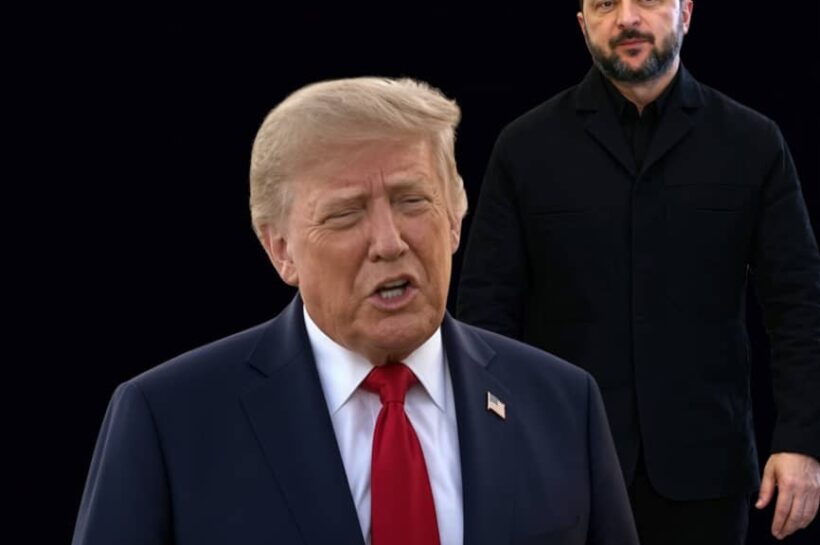
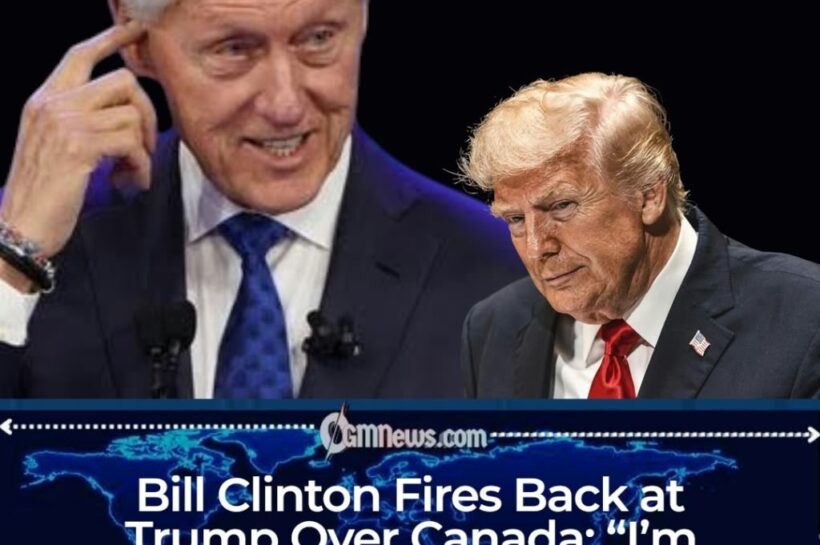

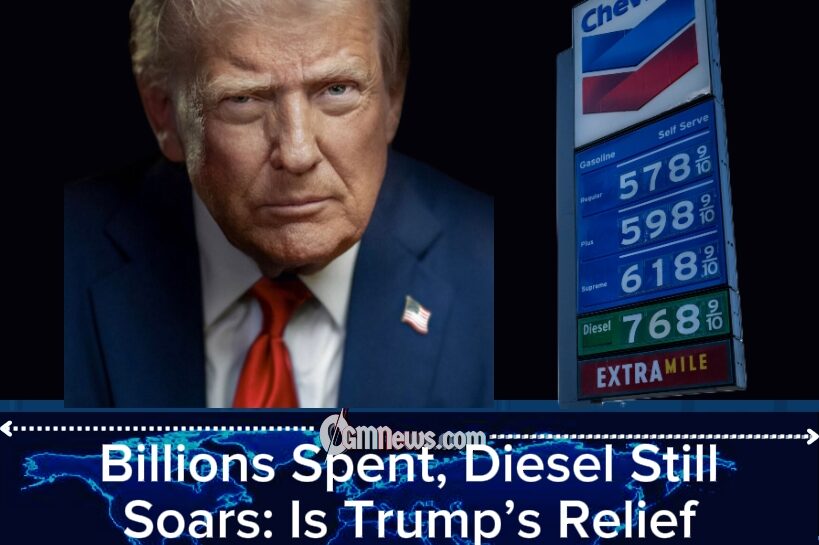




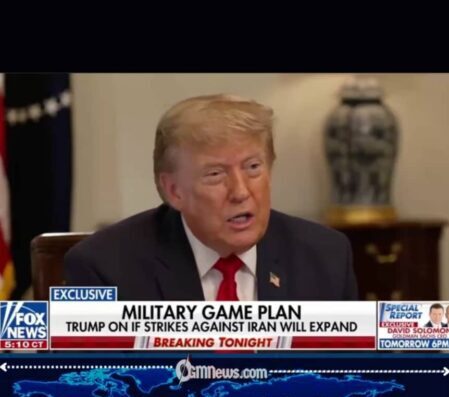
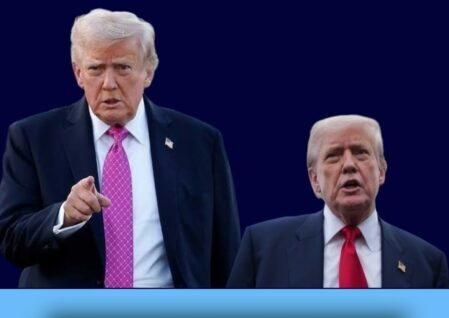
President Donald J. Trump has once again found himself at the center of an international storm after publicly warning that the United States could target Iran’s power plants and bridges if Tehran refuses to return to negotiations. The remarks, delivered during a television interview amid escalating military tensions, have triggered fierce debate over international humanitarian law, military strategy, and whether political rhetoric is racing ahead of legal boundaries. Recent reporting confirms Trump threatened strikes on power plants and bridges as part of an escalating pressure campaign against Iran following renewed conflict around the Strait of Hormuz.
For satirical observers, it sounded less like a diplomatic briefing and more like someone reading tomorrow’s demolition schedule before the construction company had even arrived. Lawyers, diplomats, and military analysts, however, view the issue far more seriously, noting that attacks on civilian infrastructure raise complex legal questions under the laws of armed conflict. Whether such facilities qualify as lawful military targets depends on specific military use, necessity, distinction, and proportionality not on political declarations alone.
Power Plants, Bridges and Trump Political Pressure
Trump declared that power plants and bridges would be targeted “next week” unless Iran agreed to negotiate, presenting the threat as leverage designed to force Tehran back to the bargaining table. The comments came as U.S. military operations intensified and regional tensions continued to rise following renewed exchanges between American and Iranian forces.
In the satirical newsroom, engineers immediately reported receiving sympathy cards, while bridges reportedly began introducing themselves as “temporary walkways” just in case diplomacy arrived before the bulldozers. Somewhere, a power station allegedly switched itself to “airplane mode,” hoping nobody would notice it during next week’s schedule.
The International Debate Gets Louder
International legal experts have long maintained that civilian infrastructure cannot be attacked simply because it exists. Certain infrastructure may become lawful military objectives if it directly contributes to military operations, but any attack must still satisfy strict legal standards concerning military necessity and proportionality. Broad threats against infrastructure therefore invite intense scrutiny and criticism from governments, humanitarian organizations, and legal scholars.
Meanwhile, the internet has predictably transformed into the world’s fastest courtroom, where everyone suddenly possesses honorary law degrees, military expertise, and satellite imagery. Social media commentators have spent hours debating bridges, electricity, and international law with enough confidence to power an entire city—ironically without needing the very power plants everyone is discussing.
Whether Trump’s remarks become policy or remain political pressure tactics, they have already intensified global debate about military escalation and the legal limits governing armed conflict. As diplomatic tensions continue to evolve, the story remains one to watch closely. Stay with OGM News for continuing coverage, analysis, and the latest developments as this international crisis unfolds.

Signing up took less than two minutes and I was already exploring the available games....