
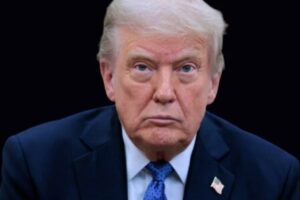



























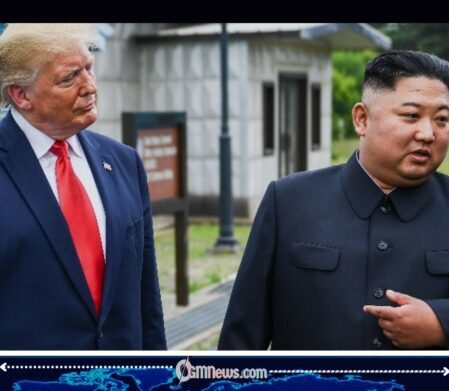
President Donald J. Trump has announced that the United States will “substantially reduce” joint military exercises with South Korea, pointing to his “very good relationship” with North Korean leader Kim Jong Un as one reason behind the shift. The surprise statement has triggered debate among security experts, allies, and political observers, with many questioning whether diplomacy is taking priority over traditional military readiness.
The announcement arrives amid long-running tensions on the Korean Peninsula, where US-South Korea military drills have historically served as a warning signal to Pyongyang. While Trump argues that reducing exercises could create room for diplomacy, critics warn that military cooperation remains a key part of regional security.
The “Less Drills, More Talks” Strategy Creates Global Political Noise
In a move that sounded like a diplomatic plot twist, the Trump administration’s latest position has left analysts examining whether fewer military exercises could become a new bargaining chip in dealings with North Korea. Supporters say reducing drills may encourage dialogue, while opponents fear it could send mixed messages to America’s allies.
Behind the scenes, political observers joked that the military calendar may soon need a “quiet mode” button, as generals prepare for fewer training events while diplomats prepare for more conversations. The biggest question now is whether Pyongyang will respond with cooperation or simply watch the situation unfold.
South Korea Caught Between Security Concerns and Diplomatic Calculations
South Korea now finds itself balancing two difficult choices: maintaining strong military readiness with its longtime US ally or supporting diplomatic efforts aimed at reducing tensions with North Korea. The relationship between Washington and Seoul remains a major factor in East Asian security planning.
Satirical observers described the situation as a “military group project” where one student wants fewer meetings, another wants better preparation, and everyone hopes the final presentation avoids disaster. Behind the humour, however, lies a serious debate about alliances, deterrence, and the future of regional stability.
President Donald J. Trump’s decision to reduce US military drills with South Korea has opened a new chapter in the complicated relationship between military strategy and diplomacy in Asia. Whether the move becomes a breakthrough for peace talks or a source of new disagreements remains to be seen. Readers should watch out for future updates from OGM News as this developing story continues to unfold.
[…] […]