




















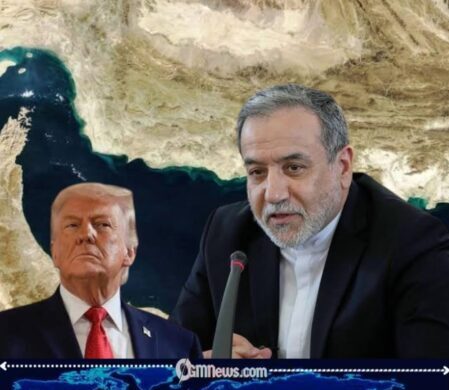
Nearly six months into the conflict with Iran, President Donald J. Trump faces an increasingly complicated strategic picture. The war was launched with major objectives, but the continuing confrontation has left the United States struggling to restore normal shipping through the Strait of Hormuz, while Iran retains significant leverage over the crucial waterway. A June U.S.-Iran memorandum of understanding envisioned an end to military operations, the removal of the U.S. naval blockade, the reopening of Hormuz and the release of frozen Iranian funds and assets, but the arrangement subsequently broke down.
The result has produced an extraordinary geopolitical role reversal. Trump entered the conflict promising American strength would force Tehran to bend, yet Iran’s continued ability to influence access through one of the world’s most important energy chokepoints has kept Tehran firmly in the negotiations. In Washington, this is increasingly becoming less about who won the opening rounds and more about who is holding the final bargaining chip.
Trump’s War Meets Iran’s Strait of Hormuz Leverage
The Strait of Hormuz carries a substantial share of global oil and gas shipments, making its continued disruption a major international economic concern. Analysts at Brookings have argued that Iran’s ability to control or restrict the waterway has given Tehran significant leverage, while the conflict has also damaged Iran’s economy through sanctions, reduced exports and military disruption.
That creates a particularly uncomfortable situation for Trump. The president can point to military pressure and economic damage inflicted on Iran, while Tehran can point to the Strait of Hormuz and essentially say, “Thank you for the pressure; now let’s discuss our conditions.” Satirically speaking, the world’s most important shipping lane has become Iran’s version of a remote control—and Washington keeps discovering that the batteries are in Tehran.
Trump and Tehran Remain Locked in a Battle Over the Next Move
The June MOU contained commitments for the United States to remove its naval blockade, for Iran to reopen the Strait of Hormuz and for Washington to make frozen Iranian funds and assets available. It also called for an end to military operations, including fighting involving Lebanon.
But the arrangement did not produce the lasting settlement Washington had hoped for. Current reporting shows Iran continuing to demand U.S. concessions before agreeing to reopen the waterway, while Trump has introduced his own demands, including compensation from Iran. The two sides therefore remain locked in the familiar diplomatic dance in which each side insists the other must move first.
Trump’s Iran strategy has consequently reached a critical test. The president must now demonstrate that military pressure can produce a sustainable political outcome rather than simply another round of escalation and negotiation, while Iran continues exploiting the strategic leverage provided by Hormuz. Whether Trump can convert that confrontation into a settlement—or whether Tehran will continue setting the terms of the next round—remains one of the biggest questions surrounding the conflict. OGM News will continue monitoring Trump, Iran and the Strait of Hormuz as the diplomatic and military standoff develops.
[…] […]