




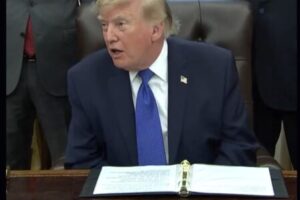



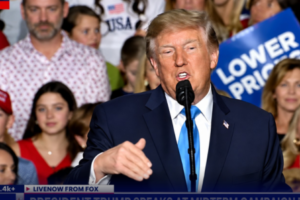



















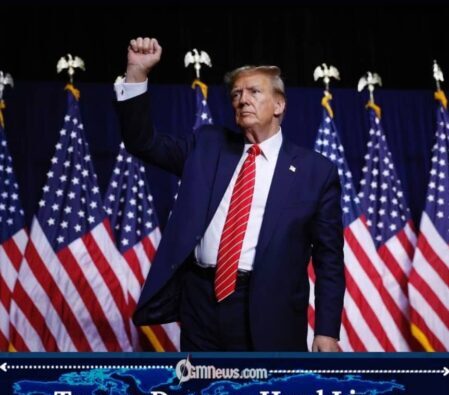
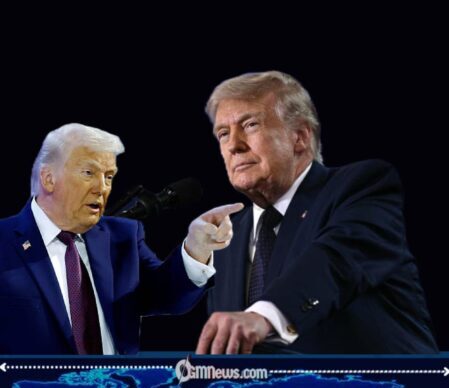
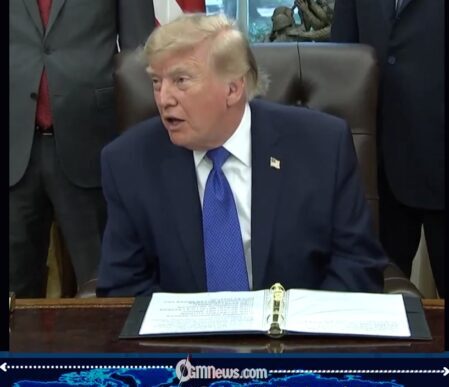
President Donald J. Trump has reignited the long-running immigration argument by declaring that there is “no human right to illegal immigration,” placing border enforcement, national sovereignty and human rights once again under the international spotlight. The remark fits with the administration’s broader immigration strategy, which has emphasized removals and tighter controls on unauthorized migration.
Trump Draws a Line Between Immigration and Human Rights
The president’s position reflects a distinction his administration has repeatedly emphasized: countries have the authority to enforce their immigration laws, while people do not generally have an unlimited right to enter another country without authorization. The Trump administration has continued to pursue aggressive immigration enforcement, including third-country deportations, a policy that has recently faced legal challenges over due-process protections.
But the human-rights discussion does not end at the border gate. The United Nations’ Universal Declaration of Human Rights recognizes a right to seek and enjoy asylum from persecution, while international refugee protection also places restrictions on returning people to places where they face serious risks. In other words, the legal debate contains considerably more paperwork than Trump’s short sentence might suggest.
One Sentence, Several Legal Arguments
Trump’s immigration position also arrives after a major Supreme Court battle over his attempt to restrict birthright citizenship. In June 2026, the Supreme Court ruled that the Fourteenth Amendment protects citizenship at birth for children born in the United States to parents who are unlawfully or temporarily present, rejecting the administration’s attempt to change that rule through executive action.
That decision illustrates why immigration arguments rarely stay as simple as “legal” versus “illegal.” Immigration enforcement, asylum, citizenship, detention and deportation involve separate legal questions, and courts continue to determine how far executive power can extend. Meanwhile, Trump’s administration is still defending its immigration policies in court, meaning the border debate appears to have no intention of applying for early retirement.
For now, Trump’s statement has added another headline to America’s increasingly heated immigration debate. The central issue remains the balance between a nation’s authority to control its borders and the human-rights protections that apply to people seeking safety or challenging government action. OGM News will continue watching the legal and political developments as this debate moves from presidential statements to courtrooms, borders and international discussions.
[…] […]