





















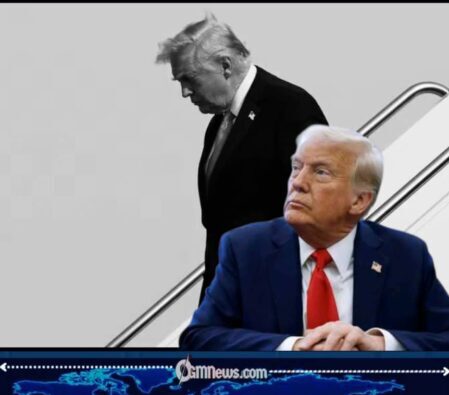
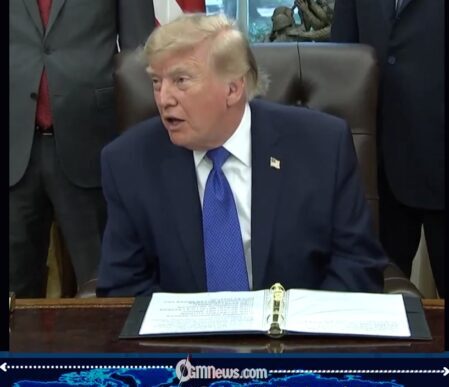
Middle East tensions are escalating as President Donald Trump leaves Camp David and returns to the White House on Sunday, coinciding with a new wave of U.S. security warnings following intensified fighting between Iran-backed Houthi forces and Saudi Arabia.
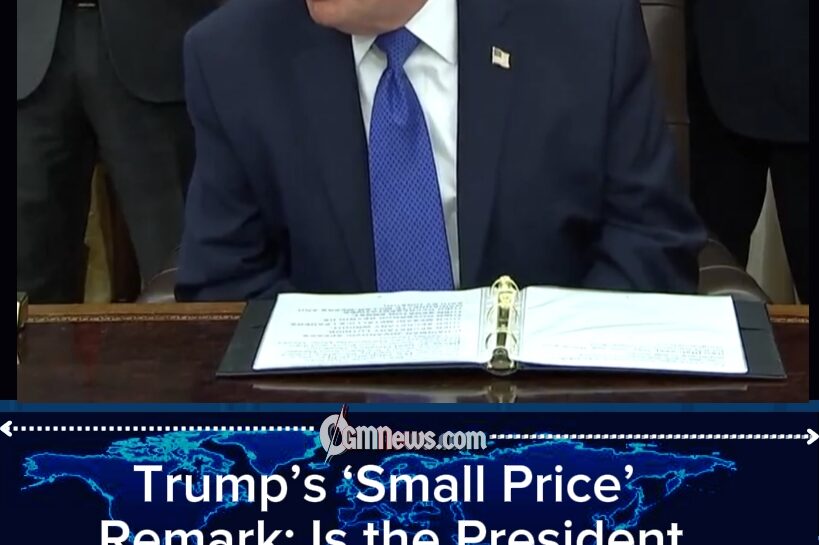
The president’s official schedule lists his departure from Camp David, a stop in Sterling, Virginia, and his subsequent return to the White House. The schedule does not publicly state that the move is connected to the regional security situation.
U.S. Missions Sound the Alarm
Middle East security warnings intensified over the weekend after the Houthis claimed missile and drone attacks against targets in Saudi Arabia, including sites in Riyadh and an Aramco facility in Yanbu. Saudi Arabia’s military coalition said it intercepted a missile fired toward Riyadh and thwarted additional attacks targeting several Saudi cities.
The escalation prompted U.S. diplomatic missions to issue alerts to Americans in the region. The U.S. Embassy in Israel warned citizens to exercise heightened vigilance and prepare for possible flight cancellations, airspace closures and travel disruptions. Similar warnings were issued by other U.S. missions in the region.
Travel Disruptions and Regional Risks
Middle East travel is now facing additional uncertainty as the State Department urges Americans outside the region to seriously reconsider travel to and through the area. Americans already in the region have been advised to monitor airport and airline operations and prepare for sudden changes.
The warnings reflect concerns that the conflict could expand rapidly. The State Department cited Houthi attacks involving Saudi Arabia, including attacks affecting or threatening civilian airports, while also warning that U.S. diplomatic facilities and other American interests could face additional threats.
The latest escalation is unfolding within the broader regional conflict that has already disrupted major energy routes. Reuters reports that Houthi attacks on Saudi cities, energy infrastructure and shipping are creating new risks for global oil supplies, particularly as traffic through the Strait of Hormuz remains severely disrupted.
Trump’s return to Washington therefore comes at a moment of heightened regional uncertainty. Although the public schedule does not establish that the president’s early departure from Camp David was caused by the security situation, the timing places his return alongside a rapidly changing threat environment that has prompted the U.S. government to issue fresh warnings to Americans across the Middle East.

[…] […]