









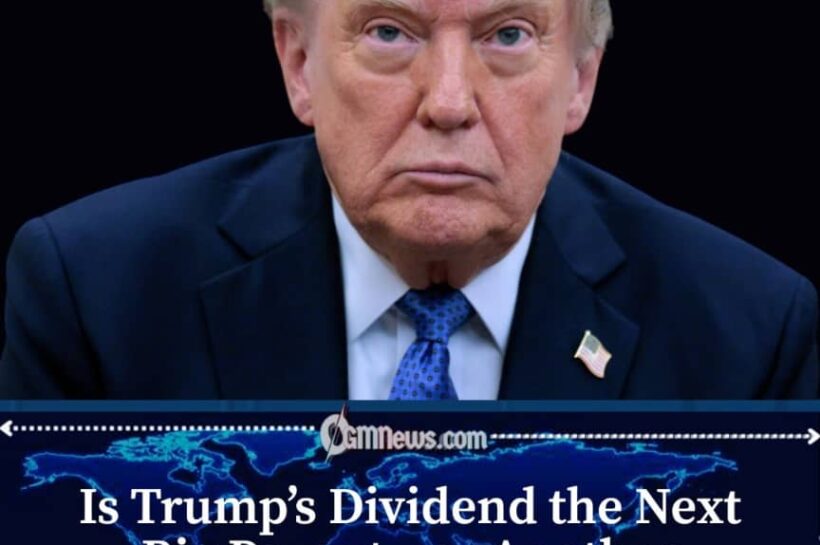













Shockwave fears swept through international markets after President Donald J. Trump reportedly rejected proposed Iranian peace or de-escalation terms during rising tensions in the Middle East, sending oil prices sharply upward and reigniting concerns about a broader regional conflict. The development has intensified speculation over whether diplomacy between Washington and Tehran is rapidly collapsing behind closed doors, while global investors brace for the economic consequences of prolonged instability around one of the world’s most critical oil corridors.
The rejection reportedly come amid ongoing disputes surrounding Iran’s nuclear activities, regional military influence, and continued Western sanctions. Although details surrounding the reported proposals remain limited, analysts say Trump’s hardline posture signals that the White House may prefer increased pressure over immediate compromise. Critics argue that such rhetoric risks pushing both sides toward deeper confrontation, while supporters insist strong resistance against Tehran is necessary to protect international security interests.
Shockwave: Escalating Tensions Drive Energy Markets Into Panic
Oil markets reacted almost immediately after reports emerged that diplomatic progress between the United States and Iran had stalled. Traders expressed concern over the possibility of disruptions around the Strait of Hormuz, the narrow but strategically vital shipping route through which a significant percentage of global crude oil exports passes daily. Even the suggestion of military escalation in the region has historically been enough to trigger major price volatility.
Shockwave reactions were also visible beyond financial markets, as governments and economists began warning about potential ripple effects on inflation, transportation costs, and energy supply chains worldwide. Social media users responded with predictable sarcasm, joking that global fuel prices now appear more emotionally sensitive than stock traders during election season. Yet beneath the humor remains genuine concern that another prolonged crisis in the Middle East could further strain already fragile global economies.
Shockwave: Diplomatic Deadlock And The Broader Geopolitical Stakes
The latest confrontation reflects years of unresolved disputes between Washington and Tehran involving sanctions, missile programs, regional proxy conflicts, and nuclear monitoring agreements. Iran has consistently maintained that its nuclear program serves peaceful civilian purposes, while Western powers continue expressing skepticism over uranium enrichment levels and military capabilities. Diplomatic negotiations over the issue have repeatedly collapsed or stalled, leaving tensions simmering beneath the surface for years.
International observers warn that the growing hostility now risks affecting far more than politics alone. Rising oil prices could place additional burdens on consumers globally, particularly in countries already struggling with inflation and economic instability. Security analysts also caution that escalating rhetoric from both sides may reduce opportunities for meaningful negotiations, increasing the possibility of unintended military incidents in an already volatile region.
As uncertainty continues dominating headlines, Shockwave may become the defining word attached to the latest chapter of U.S.-Iran relations. Whether the situation evolves toward renewed diplomacy or deeper confrontation, the world is once again watching how a single geopolitical standoff can influence everything from household fuel prices to global security calculations. OGM News will continue tracking developments as tensions unfold.
[…] […]