








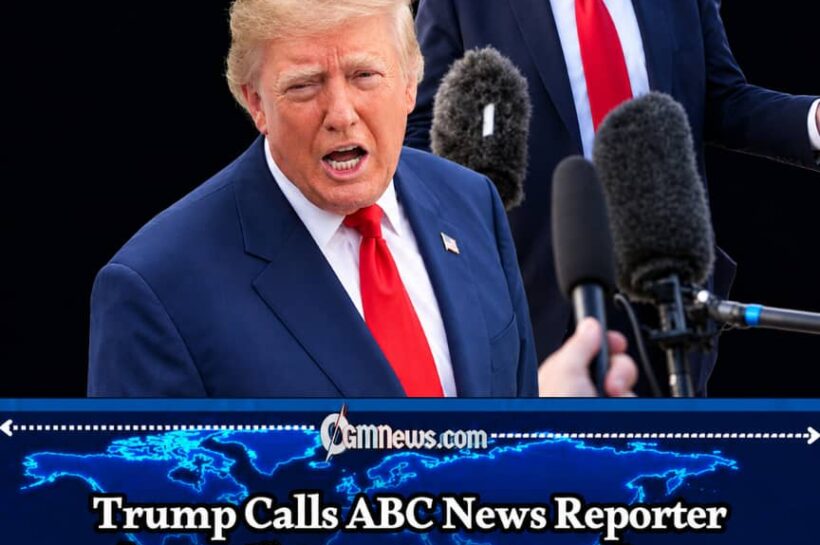











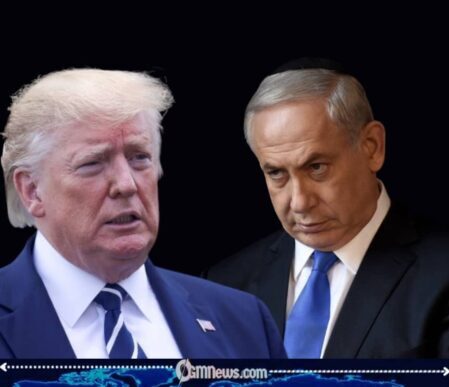
President Donald Trump’s reported condemnation of Israeli Prime Minister Benjamin Netanyahu following an Israeli strike in Beirut has injected fresh uncertainty into an already volatile Middle East landscape. The unusually blunt criticism, including claims that Trump described Netanyahu as having “no judgment whatsoever,” has drawn global attention not only because of the language used, but because it emerged at a moment when diplomatic efforts appeared to be approaching a crucial breakthrough. The episode has raised questions about coordination among allies and whether military actions are moving faster than diplomacy can keep pace with.
“No Judgment Whatsoever”: Trump Publicly Blasts Netanyahu
The Netanyahu controversy erupted after reports indicated that President Trump was deeply dissatisfied with Israel’s decision to carry out a strike in Beirut while delicate negotiations involving Iran and regional security arrangements were still underway. According to multiple reports, Trump believed the operation risked delaying or even derailing diplomatic progress that had taken months of negotiations to achieve. His public expression of unhappiness represented one of the strongest indications yet that Washington’s priorities may not always align perfectly with those of Israel’s government.
The Beirut operation has become symbolic of a wider challenge facing regional leaders: how to balance military deterrence with political negotiation. While Israeli officials have argued that strikes against perceived threats remain necessary for national security, critics contend that such actions can trigger cycles of retaliation that make long-term stability harder to achieve. Trump’s reported frustration appears rooted in concerns that a carefully managed diplomatic process could be disrupted by sudden military escalation.
Beirut Bombing Exposes Cracks in Trump-Netanyahu Alliance
The Beirut Strike did not emerge in isolation. Reports from recent weeks suggest growing tensions between Trump and Netanyahu over military actions in Lebanon and broader regional strategy. Previous accounts described heated discussions in which Trump urged restraint and warned against actions that could complicate negotiations involving Iran and other regional actors. The latest remarks therefore appear less like a one-time outburst and more like the continuation of an increasingly visible disagreement over timing and tactics.
Beyond the immediate political drama, the incident highlights a broader reality of Middle Eastern diplomacy: military operations, peace negotiations, economic concerns, and regional alliances are often interconnected. Analysts note that even limited strikes can influence negotiations, affect market confidence, and reshape perceptions among allies and adversaries alike. As diplomatic efforts continue, leaders across the region face pressure to demonstrate strength while simultaneously avoiding actions that could reignite wider conflict.
For now, the Netanyahu dispute and the Beirut Strike remain a developing story. Whether Trump’s criticism signals a temporary disagreement or a more significant policy divide will become clearer in the coming days. What is already evident, however, is that a single military action has transformed what was expected to be a diplomatic success story into a fresh test of alliance management, regional stability, and political judgment. OGM News will continue monitoring developments as new details emerge.

Logging in is a breeze and the site stability is amazing even during peak hours....