






















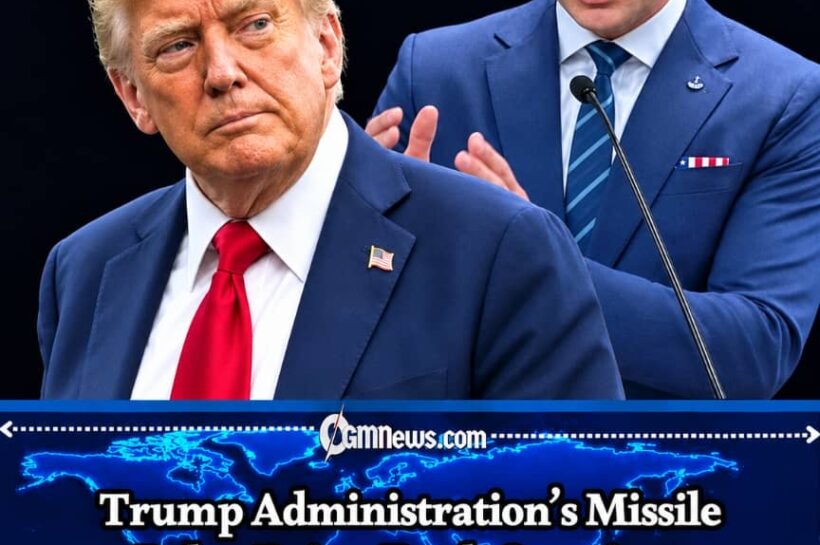





The Mideast Deal remains at the center of international attention after deadly strikes in Beirut threatened to overshadow ongoing diplomatic efforts aimed at reducing tensions across the region. Despite reports that at least three people were killed during an Israeli attack on Beirut’s southern suburbs, President Donald J. Trump has maintained that negotiations remain active and that a breakthrough is still possible. The apparent contradiction between escalating violence and advancing diplomacy has left observers questioning whether peace talks can survive another serious shock.
Diplomacy Against Beirut Attack Fuel Anxiety
The latest crisis emerged after Israeli forces conducted strikes in Beirut, an operation that drew immediate attention because it occurred while negotiations involving the United States, Iran, and regional actors were reportedly approaching a critical stage. President Trump publicly criticized the timing of the attack and argued that such actions risk undermining a process that he believes could deliver broader stability across the Middle East. He urged restraint and emphasized that all sides should avoid steps that could derail ongoing discussions.
The Mideast Deal has been presented as a framework capable of reducing hostilities, easing economic pressures, and creating conditions for further negotiations on regional security issues. While details remain under discussion, reports indicate that mediators have been working to bridge significant differences among the parties involved. Trump has repeatedly expressed confidence that diplomacy remains the best available path despite continued mistrust among regional rivals.
Volatility Based On The Ongoing Challenges
The Beirut incident highlights the broader challenge facing the region. Earlier efforts to reduce tensions between Israel, Hezbollah, and other actors have repeatedly encountered setbacks, with ceasefires and understandings often strained by new rounds of military action. Recent weeks have seen attempts to halt hostilities, yet clashes and retaliatory operations continue to demonstrate how fragile the situation remains.
The Mideast Deal is also unfolding against a backdrop of wider geopolitical concerns, including maritime security, energy supply routes, sanctions, and longstanding disputes over Iran’s nuclear activities. Analysts note that successful diplomacy would likely require more than a temporary pause in fighting; it would require sustained political commitments from multiple governments and armed groups whose interests often diverge sharply. The latest Beirut strikes have therefore become more than a local security incident—they are now viewed as a measure of whether diplomacy can withstand pressure from events on the ground.
The coming days may determine whether the Mideast Deal becomes a genuine turning point or another chapter in the region’s long history of interrupted peace efforts. For now, negotiators continue their work, leaders exchange warnings and assurances, and millions across the Middle East wait to see whether diplomacy can move faster than the next crisis.

Downloaded the 881betapp the other day. Clean interface, does the job. Quick and easy betting...