
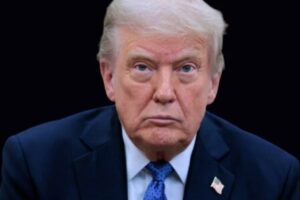



























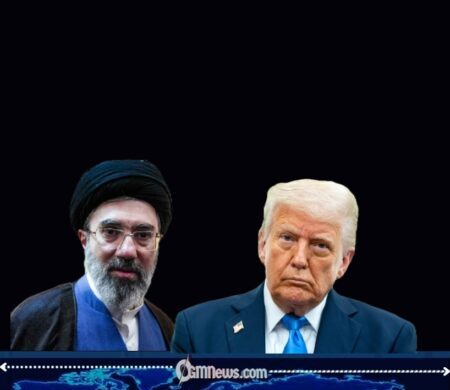
Trump-Iran: President Donald J. Trump revealed Tuesday that he was “an hour away” from approving new military strikes on Iran before Gulf allies urged him to halt the operation, adding another dramatic twist to an already volatile Middle East standoff. The disclosure came as Trump simultaneously defended the growing Trump-Iran War tensions as “very popular” among Americans, despite visible public skepticism and rising fears of wider regional instability. His comments immediately intensified global attention on ongoing negotiations reportedly brokered by Pakistan, while Iranian officials publicly mocked Washington’s explanation for delaying military action.
Trump Says He Was One Hour From Bombing Iran as Allies Pulled Emergency Brake
Trump told reporters that Gulf allies had requested additional time for diplomacy after indicating there had been progress in backchannel discussions with Tehran. According to the president, the strike had been scheduled for Tuesday before he ultimately suspended the operation. The revelation surprised observers because no U.S. official had publicly acknowledged the alleged military plan prior to Trump’s remarks.
Iran responded aggressively to the announcement. Deputy Foreign Minister Kazem Gharibabadi rejected any suggestion of surrender, declaring that Iran was prepared to either “triumph or become martyrs” if confronted militarily. He also ridiculed Trump’s claim that postponing attacks represented an “opportunity for peace,” arguing that threatening military action while promoting diplomacy exposed contradictions in Washington’s strategy. The Trump-Iran War rhetoric escalated further as Tehran insisted the United States had actually sought the ceasefire discussions first.
Trump Claims Iran War Remains Popular Despite Public Doubts
The latest confrontation comes amid broader instability across the Middle East, including ongoing Israeli military operations against Hezbollah targets in southern Lebanon despite previous ceasefire arrangements. Lebanese officials have reported thousands of casualties since cross-border fighting intensified, raising fears that any direct conflict involving Iran and the United States could rapidly spill into neighboring countries.
Trump also defended his handling of the Iran crisis by arguing that public opinion changes once Americans hear his explanation regarding Iran’s nuclear ambitions. Iran has consistently denied pursuing nuclear weapons, while Trump previously claimed that U.S.-Israeli airstrikes conducted in 2025 had severely damaged Tehran’s nuclear capabilities. Analysts note that the Trump-Iran War narrative now combines military threats, election-year political messaging, and high-stakes diplomacy into a volatile mix capable of affecting global oil markets, regional alliances, and domestic political calculations inside both countries.
For now, negotiations appear to have delayed immediate military escalation, but the language from both Washington and Tehran suggests tensions remain dangerously close to the surface. OGM News understands that regional mediators continue to push for temporary agreements aimed at preventing sudden retaliation, though officials privately acknowledge that a single breakdown in talks could quickly reverse the fragile calm surrounding the Trump-Iran War crisis.
[…] […]