























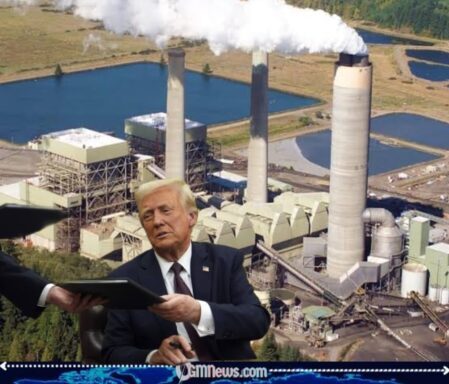
The Trump administration is facing fresh criticism over changes to federal environmental information after cancer-risk information associated with air pollution tracking came under scrutiny. EPA’s AirToxScreen has historically provided modeled estimates of cancer risks from breathing air toxics, allowing Americans to examine pollution patterns across communities. The agency describes the tool as a screening resource designed to identify pollutants and locations that may warrant further study.
The controversy comes at a time when environmental groups and public-health advocates are already questioning changes to EPA’s environmental-justice resources. A Harvard Environmental and Energy Law Program tracker reported that EPA removed EJScreen from its website in March 2026, reducing public access to a major source of information about pollution burdens and demographic conditions.
Trump Administration Faces Questions Over What Americans Can See
The Trump administration’s critics argue that removing or reducing public access to pollution-risk information makes it harder for communities to understand the environmental dangers around them. EPA’s own documentation makes clear that its air-toxics assessments can estimate cancer risks associated with long-term exposure, although the agency repeatedly warns that the figures are screening-level estimates rather than precise predictions for individual people.
In satirical Washington fashion, the debate has produced an uncomfortable question: if the pollution remains in the air but the risk estimate disappears from the screen, did the pollution receive a software update? Apparently, the easiest way to improve an alarming number is sometimes to make the number considerably harder to find.
Trump Administration’s EPA Changes Fuel Environmental Debate
The Trump administration has pursued broader changes to environmental policy and scientific risk assessment. Recent reporting, for example, found that the Trump EPA altered its approach to formaldehyde risk after previously established findings linked exposure to cancer and other health effects. Critics have argued that the changes could weaken public-health protections, while the administration has defended its regulatory approach.
The EPA’s own AirToxScreen documentation illustrates why such information matters. The agency says the tool estimates cancer risk from breathing air toxics over many years and can identify areas where risks may be relatively higher or lower. It also acknowledges substantial uncertainty and cautions against treating the estimates as precise measurements of an individual’s personal cancer risk.
The Trump administration therefore finds itself at the centre of a growing argument over environmental transparency: should Americans have easier access to estimates showing where pollution may carry greater health risks, even when those estimates come with scientific uncertainty? OGM News will continue following changes to EPA pollution tracking, cancer-risk information and environmental policy as the administration’s approach develops. For now, the biggest mystery may not be what is in the air, but what information Americans will still be able to see about it.

Downloaded the 881betapp the other day. Clean interface, does the job. Quick and easy betting...