












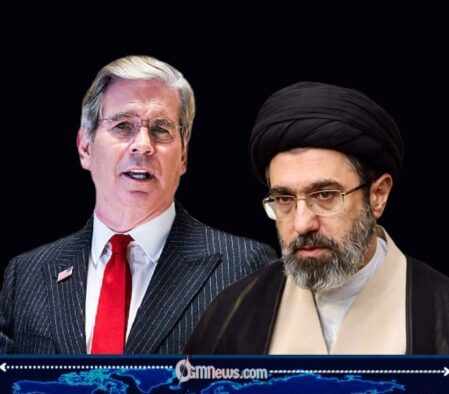
U.S. Treasury Secretary Scott Bessent has warned that Iran could have “nothing left to trade for anything” within two weeks as U.S. sanctions and a blockade put further pressure on Tehran’s remaining oil exports. Bessent said Iran has roughly 15 million barrels of oil still out for delivery, most of which he expects to reach China within the next two weeks.
Bessent made the assessment on Sunday as the Trump administration continues its economic pressure campaign against Iran. His comments came amid Iranian efforts to propose a seven-day arrangement involving the reopening of the Strait of Hormuz and renewed negotiations with Washington, while President Donald Trump has rejected the latest proposal.
Bessent Says Iran’s Oil Lifeline Is Running Out
Bessent said Iran’s remaining oil shipments to China represent one of Tehran’s last significant sources of external trade. He argued that once those deliveries are completed, the economic pressure created by sanctions and the U.S. blockade could leave Iran with little ability to generate revenue through international trade.
The Treasury secretary described the situation as part of the administration’s broader “Operation Economic Outcast,” which has expanded sanctions and restrictions against Iranian economic networks. Washington has also targeted foreign companies and entities accused of continuing to conduct business with Iran.
Iran Faces Mounting Economic Pressure
Bessent’s warning comes as Iran’s currency and economy face severe pressure. The Iranian rial fell to another record low on Monday, with the dollar reportedly reaching about 2.44 million rials, as economic and military pressures continued to weigh on the country.
The United States has also imposed additional sanctions across sectors linked to Iran, while the blockade has disrupted the movement of goods and oil. Bessent said the administration’s objective is to maintain enough economic pressure to force Tehran to honor any future agreement with Washington.
Strait of Hormuz Becomes Key to Iran Dispute
Iran has proposed reopening the strategically important Strait of Hormuz within seven days if the United States eases military pressure and lifts its blockade on Iranian ports. Iranian officials have presented the proposal as a pathway toward renewed negotiations.
The standoff has implications beyond Iran because the Strait of Hormuz is a major route for global oil and gas shipments. Bessent said oil traffic through the waterway has recovered substantially, while Washington maintains that its measures are designed to keep energy supplies moving while increasing pressure on Tehran. OGM News will continue to monitor the economic and diplomatic consequences of the escalating U.S.-Iran confrontation.
[…] […]