




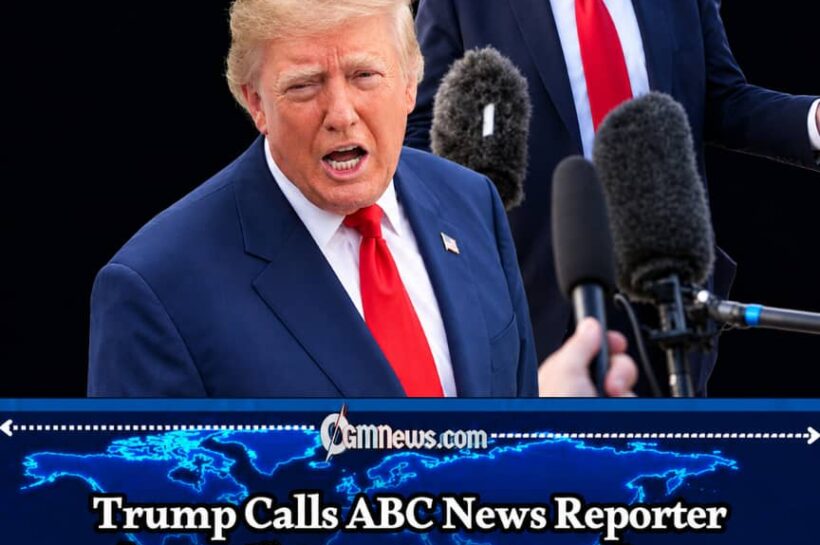
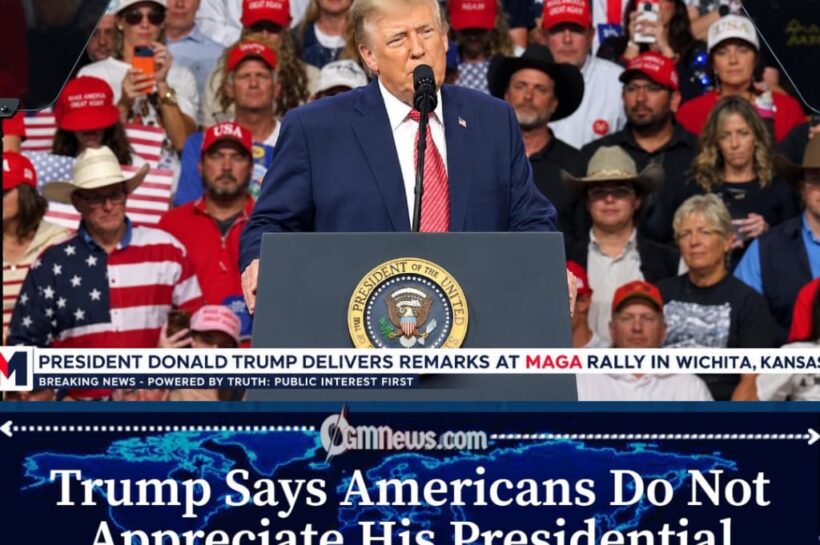
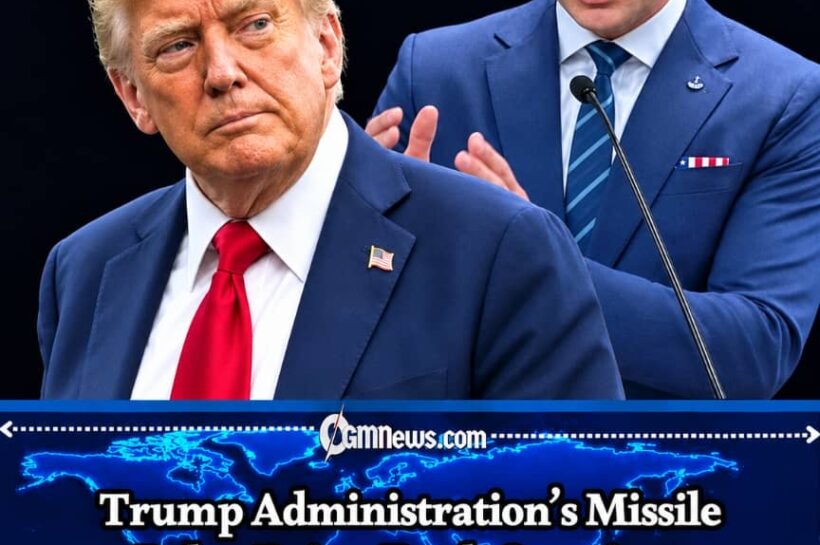



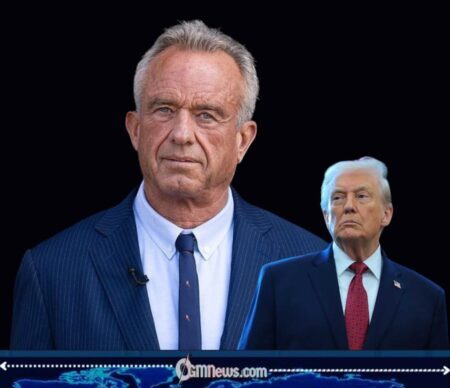
Robert F. Kennedy Jr., recounted a striking moment involving President Donald Trump, describing how Trump once grabbed a placemat, flipped it over, and used a Sharpie to draw what he called a “perfect map of the Middle East.” The story quickly captured attention for its unusual and vivid detail.
The anecdote has circulated widely, sparking curiosity and debate about both its accuracy and its implications. Supporters view it as a testament to Trump’s confidence and unconventional style, while critics question the practicality and realism of such a claim.
Observers note that stories like this often take on a symbolic quality in political discourse, reflecting broader narratives about leadership, decision-making, and personal style rather than serving as literal accounts.
Interpreting the Story
Robert F. Kennedy Jr., suggested that the moment reflected Trump’s spontaneous and hands-on approach to complex geopolitical issues. According to his telling, the act demonstrated a willingness to engage directly with intricate global matters in an accessible way.
Political analysts, however, caution against reading too deeply into anecdotal accounts. They argue that such stories may be exaggerated or simplified, particularly when retold in public forums or interviews.
The broader significance of the anecdote may lie less in its factual precision and more in how it shapes perceptions of leadership. It contributes to an image of decisiveness, even if the underlying details remain open to interpretation.
Leadership Style and Public Perception
Robert F. Kennedy Jr., has often commented on the importance of personal style in shaping a leader’s public image, and this anecdote adds another layer to that discussion. It paints a picture of a leader who relies on instinct and visual thinking.
Public reactions have been mixed, with some praising the story as an example of quick thinking and others dismissing it as implausible. The divide reflects broader polarization in how political figures are viewed.
In many ways, the anecdote underscores how narratives—whether factual or symbolic—can influence public opinion. They become part of a larger story about how leaders approach complex challenges.
Robert F. Kennedy Jr and Political Storytelling
Robert F. Kennedy Jr., has used storytelling as a powerful tool in communicating his views, often sharing personal observations to illustrate broader points. This particular story fits within that pattern, blending personal experience with political commentary.
Storytelling in politics can serve multiple purposes, from humanizing leaders to reinforcing specific narratives. In this case, the anecdote may be intended to highlight a certain perception of Trump’s capabilities.
Critics argue that such stories should be approached with skepticism, especially when they involve extraordinary claims. They emphasize the importance of verifying details before drawing conclusions.
Media and Public Reaction
Robert F. Kennedy Jr., has seen his remarks amplified across various media platforms, where the story has been dissected and debated. Media coverage has ranged from lighthearted commentary to more serious analysis.
Social media users have played a significant role in spreading and interpreting the anecdote, often adding their own perspectives or humor. This has contributed to the story’s viral nature.
The media environment, with its rapid dissemination of information, allows such anecdotes to gain traction quickly. However, it also raises questions about accuracy and context in modern political communication.
Broader Implications for Political Discourse
Robert F. Kennedy Jr., has indirectly highlighted how individual stories can shape broader political conversations. Even a single anecdote can become a focal point for discussions about leadership and credibility.
Experts suggest that the enduring impact of such stories depends on how they resonate with the public. If they align with existing perceptions, they are more likely to be accepted and repeated.
Ultimately, the anecdote serves as a reminder of the role narrative plays in politics. Whether taken literally or symbolically, it contributes to the ongoing dialogue about how leaders are understood and evaluated by the public.
The weekly tournaments here keep me coming back because the prize pools are surprisingly generous....