

























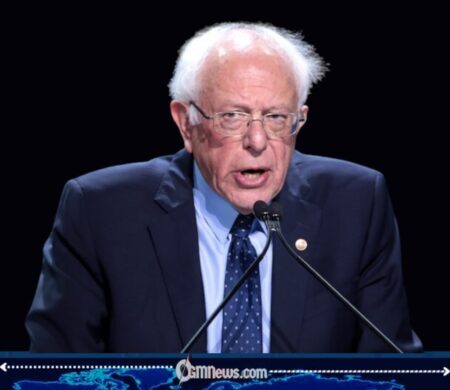
U.S. Senator Bernie Sanders has called for an immediate end to the ongoing war involving Iran, declaring that the conflict constitutes a violation of international law. Speaking at a major “No Kings” rally in Minnesota, Sanders’ remarks reflected growing domestic opposition to the war and intensified scrutiny of U.S. foreign policy under President Donald Trump, who is currently serving a second term.
The statement comes amid escalating tensions in the Middle East and widespread protests across the United States. As debates over legality, strategy, and humanitarian consequences continue, Sanders’ comments have added momentum to calls for de-escalation and diplomatic resolution.
Sanders’ Speech at the Minnesota Rally
At the center of the Minnesota demonstration, Bernie Sanders delivered a forceful address condemning the war and urging immediate action to halt hostilities. His statement that “this war must end immediately” resonated strongly with the large crowd gathered in the Twin Cities.
Sanders further argued that the conflict violates international legal norms, positioning his critique within a broader framework of global governance and accountability. His remarks were met with widespread support from demonstrators who have increasingly voiced concern about the direction of U.S. foreign policy.
The speech marked one of the most prominent political interventions during the nationwide protests, highlighting Sanders’ continued role as a leading voice in anti-war advocacy.
Nationwide “No Kings” Protests Gain Momentum
The Minnesota rally was part of a larger wave of “No Kings” protests that unfolded across the United States. Reports from major outlets such as Reuters and The Guardian indicate that thousands of demonstrations took place nationwide, drawing significant participation.
The protests brought together a diverse coalition of activists, political leaders, and citizens, all expressing concerns about the war in Iran and broader governance issues. The scale of the movement has been described as one of the most extensive coordinated protest efforts in recent years.
Minnesota emerged as a focal point, with particularly large crowds and high-profile speakers, underscoring the national significance of the demonstrations and amplifying their message.
Political Reactions and Divisions
Sanders’ remarks reflect a broader divide within U.S. politics over the war. Several lawmakers have raised questions about the legal basis for the conflict, including whether it received appropriate congressional authorization.
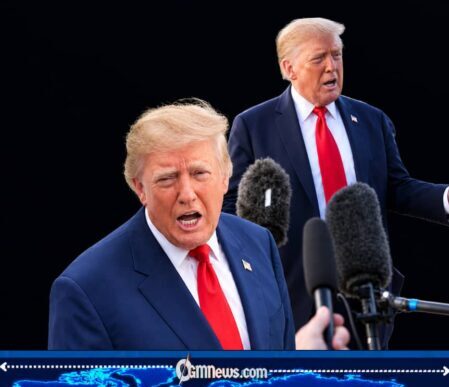
Under President Donald Trump, the administration has defended its actions as necessary to protect U.S. interests and ensure regional stability. Officials argue that the measures taken are justified in response to security threats and disruptions in critical areas such as the Strait of Hormuz.
However, critics including Sanders contend that the war risks escalating into a wider regional conflict and may undermine international norms governing the use of force.
Legal Debate Over the Conflict
A central element of Sanders’ statement is the assertion that the war violates international law. This claim has become a focal point in ongoing debates among legal experts and policymakers.
Critics argue that military action without clear self-defense justification or authorization from international bodies may breach established legal frameworks. They emphasize the importance of adhering to global norms to maintain stability and legitimacy.
Supporters of the administration, however, maintain that the United States is acting within its rights to defend its interests and allies. As a result, the legal status of the conflict remains contested, reflecting differing interpretations of international law.
Broader Implications for U.S. Policy
The growing opposition highlighted by Sanders’ remarks signals potential challenges for U.S. policymakers moving forward. Public sentiment, as reflected in the protests, suggests increasing concern over both the humanitarian and economic consequences of the conflict.
For President Donald Trump, the situation presents a complex balancing act between maintaining strategic objectives and addressing domestic criticism. The administration’s approach to the war will likely shape broader perceptions of U.S. leadership on the global stage.
As tensions continue, the call for diplomatic solutions and renewed dialogue is expected to remain a central theme in both political discourse and public debate.
The Role of Public Mobilization
The scale and intensity of the “No Kings” protests underscore the enduring influence of public mobilization in shaping political outcomes. Demonstrations of this magnitude can impact policy discussions, media narratives, and electoral dynamics.
Bernie Sanders’ participation has further amplified the movement, drawing attention to its core demands and reinforcing its political significance. His call for immediate action reflects a broader push for accountability and transparency in decision-making.
As the situation evolves, the interaction between public protest and government policy will remain a key factor in determining the trajectory of the conflict.
The weekly tournaments here keep me coming back because the prize pools are surprisingly generous....