



























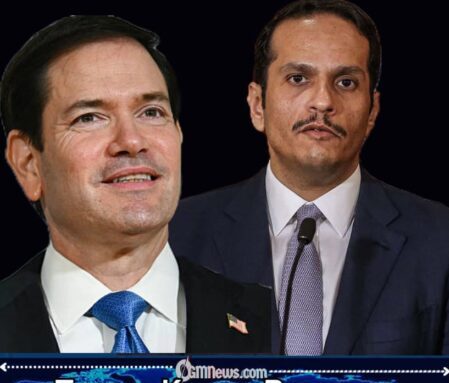
Qatar’s Prime Minister Sheikh Mohammed bin Abdulrahman Al Thani has arrived in Tehran in a fresh diplomatic attempt to cool the U.S.-Iran war, just as the conflict appears determined to keep its appointment with escalation. His mission comes as the Strait of Hormuz remains the biggest obstacle to any settlement, with Iran demanding sanctions relief and an end to the blockade while the United States continues piling on economic pressure.
In what increasingly resembles a diplomatic relay race in which nobody has reached the finish line, Qatar, Oman and Pakistan have all been involved in recent efforts to get the warring parties talking again. The Qatar initiative is particularly important because Doha previously helped broker a June understanding that temporarily paused hostilities before the arrangement collapsed.
Qatar Brings the Peace Message While Hormuz Pressure Keeps the World Nervous
The Strait of Hormuz has become the unofficial VIP guest at every peace meeting. Iran wants sanctions lifted, its assets unfrozen and restrictions around its ports removed, while Washington wants the waterway reopened to normal international shipping. Iran and Oman have meanwhile discussed a temporary shipping corridor and possible joint mine-clearing arrangements, suggesting that diplomacy has at least managed to find a crack in the wall.
The strategic importance is difficult to exaggerate: before the war pressure, more than one-fifth of global oil and gas supplies passed through Hormuz. With shipping heavily disrupted, the waterway has become not merely a geographical feature but a giant geopolitical pressure button—and everyone appears to have discovered that pressing it makes the global economy uncomfortable.
Sanctions Tighten as Iran’s Economic Pressure Cooker Gets Hotter
While diplomats carry peace proposals between capitals, the economic pressure inside Iran is becoming harder to ignore. The Trump administration has intensified sanctions against Iranian-linked entities and threatened secondary sanctions against countries and companies continuing certain dealings with Tehran. The latest measures target sectors including technology, shipping, aviation, gold and digital assets.
Inside Iran, the pressure is showing up in less diplomatic language: long fuel queues, panic buying, inflation, currency depreciation and renewed labor protests are adding to public anxiety. Reports indicate that workers, pensioners and teachers have protested economic conditions, while fears of renewed unrest have grown as purchasing power deteriorates. In other words, while governments debate strategic leverage, ordinary people are busy calculating whether their money can survive the week.
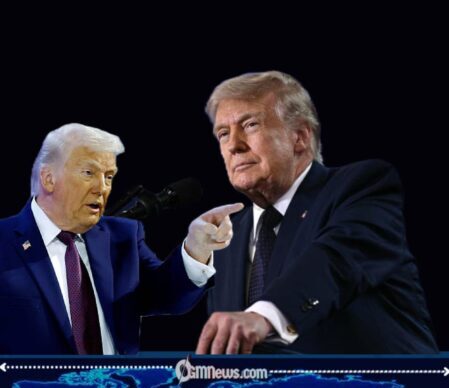
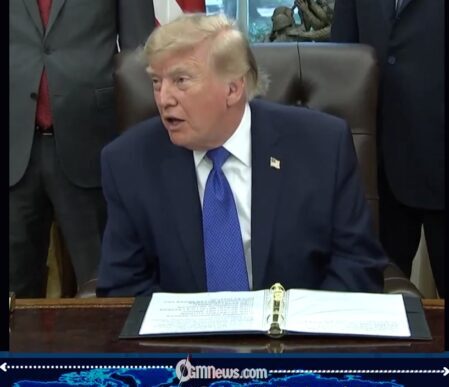
For now, President Donald J. Trump has signaled that Washington is in no hurry to resume negotiations and has continued to emphasize economic and military pressure on Tehran. Qatar’s mission therefore arrives at a particularly delicate moment: one side is sending a mediator with a peace proposal, another is sending sanctions, and the Strait of Hormuz appears to be holding the entire diplomatic conversation hostage. OGM News will continue watching closely as the latest mediation effort unfolds—and as the world waits to discover whether the next headline will announce a breakthrough, another ultimatum, or yet another meeting about arranging the meeting that will discuss arranging peace.
Casinoabc999? Good Site. The interface is sleek, and there is a lot of stuff to...