























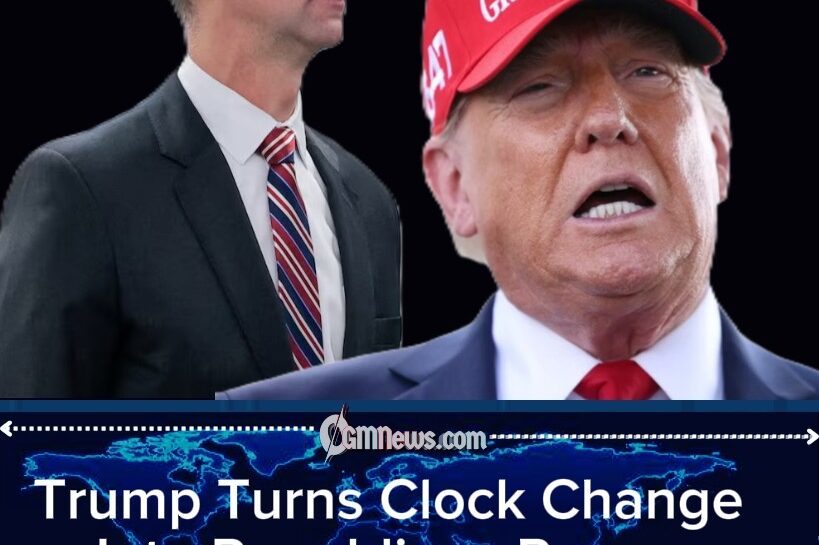
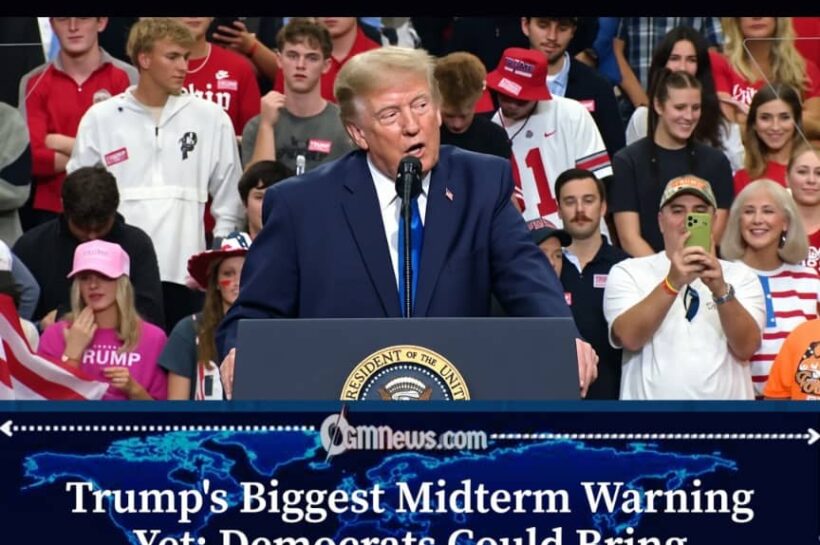


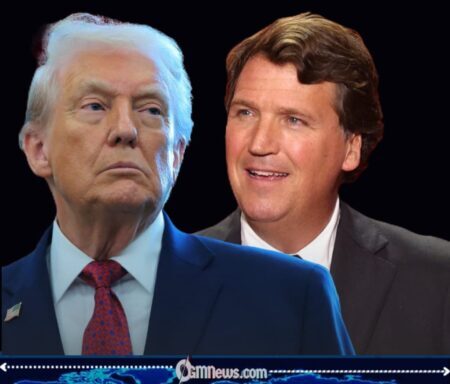
Donald Trump, has once again become the center of political discussion after describing commentator Tucker Carlson as a “low IQ person” while commenting on what he described as Carlson’s declining influence among Republicans. The remarks, made on Friday, have drawn attention across political and media spaces, highlighting ongoing tensions within conservative circles.
The comments have been widely circulated and analyzed, not only because of their direct tone but also due to the prominence of both figures in shaping modern Republican discourse. While no policy action is connected to the statement, it has contributed to renewed debate about leadership influence, media authority, and internal party alignment.
Donald Trump’s Remarks on Tucker Carlson Draw Attention
President Donald Trump’s comments focused on the perceived political standing of Tucker Carlson within Republican circles. By questioning Carlson’s influence and using sharp language, Trump signaled dissatisfaction with the commentator’s current role in conservative media discourse.
Reports indicate that Trump linked his remarks to what he described as Carlson’s reduced impact among Republican audiences. The statement quickly gained traction across news platforms, reflecting the continued public interest in exchanges involving high-profile political and media personalities.
Donald Trump’s Influence Within the Republican Party
As the current U.S. president serving a second term, Donald Trump remains a central figure in shaping Republican Party direction and messaging. His statements continue to carry significant weight among supporters and critics alike, often influencing broader political conversations.
Analysts note that Trump’s strong public commentary reinforces his dominant position within the party, particularly in relation to media figures such as Tucker Carlson. The interaction highlights how political leadership and media influence frequently intersect in shaping party narratives.
Media Dynamics and Republican Messaging
The exchange has renewed discussion about the evolving relationship between political leaders and conservative media personalities. Tucker Carlson, a long-standing figure in right-leaning commentary, has maintained a significant audience, though observers note shifts in engagement and platform reach.
Donald Trump’s remarks have therefore been interpreted by analysts as part of a broader pattern in which political leaders publicly assess media allies and critics. This dynamic continues to play a role in shaping messaging strategies within conservative politics.
Public and Political Reactions
Reactions to Donald Trump’s comments have been mixed across political and media audiences. Supporters view the remarks as a candid assessment of influence within Republican circles, while critics argue that such statements risk deepening divisions within the party.
Supporters of Tucker Carlson have defended his record and questioned the characterization of his influence. The debate has since expanded beyond the individuals involved, reflecting broader tensions in political communication.
Analysts Weigh Broader Political Implications
Political analysts suggest that Donald Trump’s remarks illustrate the continued blending of media commentary and political leadership in shaping public opinion. His influence within the Republican Party means that such statements often generate significant attention and interpretation.
Experts also note that while individual remarks may not signal structural political change, they can affect perceptions of unity and messaging within the party. The interaction between Trump and Carlson is therefore seen as part of a wider landscape of evolving political relationships.
Donald Trump Remains Central to Political Discourse
The recent comments by Donald Trump regarding Tucker Carlson reinforce his continued prominence in shaping political conversation in the United States. As both political and media figures remain influential in their respective spheres, their interactions continue to attract national attention.
While the situation has not led to any formal political developments, it underscores the ongoing complexity of relationships within conservative politics and the significant role Donald Trump continues to play in defining its public narrative.
[…] […]