
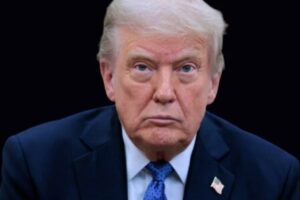
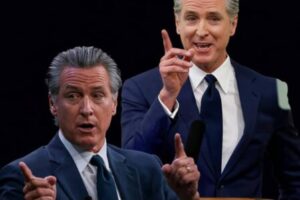








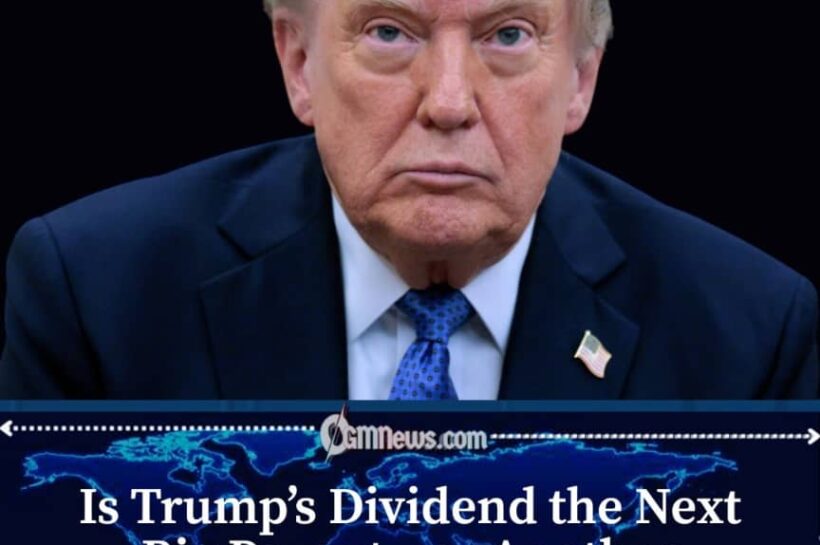

















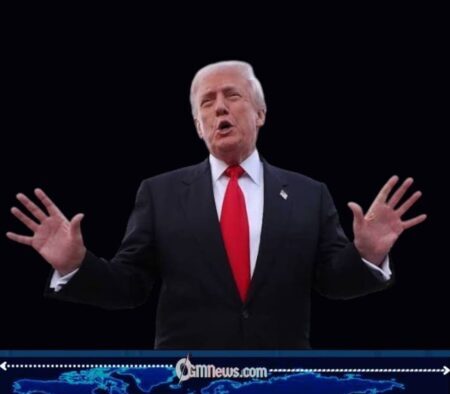
President Donald Trump has predicted that a Republican will win the 2028 presidential election, offering a confident outlook on his party’s future prospects. President Donald Trump framed the projection as a reflection of what he sees as strong grassroots support and continued alignment with voter priorities across the country.
The statement comes at an early stage in the election cycle, where potential candidates are still forming strategies and building national recognition. Political observers note that such forward-looking declarations often aim to energize supporters and shape early narratives.
Across the United States, both major parties are already laying the groundwork for the next presidential race. Messaging, fundraising, and coalition-building efforts are gradually intensifying as leaders seek to position themselves effectively.
Shifting Dynamics in National Politics
President Donald Trump’s remarks arrive during a period of evolving political dynamics, where issues such as the economy, healthcare, and foreign policy continue to dominate public discourse. President Donald Trump has remained a key figure influencing conversations within the Republican Party.
Debates within both parties are shaping how candidates and platforms will emerge in the coming years. Internal divisions and strategic recalibrations are likely to play a significant role in defining the electoral landscape.
Public opinion remains fluid, with voters responding to current events and policy outcomes. These shifting sentiments will ultimately influence how competitive the 2028 election becomes.
Party Strategy and Long-Term Positioning
President Donald Trump continues to exert influence over Republican strategy, particularly in areas related to messaging and voter engagement. President Donald Trump has emphasized themes that resonate with core supporters while also encouraging broader appeal.
Republican leaders are working to strengthen their presence in key regions while refining their policy platforms. This includes efforts to address economic concerns, national security issues, and cultural debates.
At the same time, the party is considering how to balance established leadership with emerging voices. This process will likely determine the strength and cohesion of the Republican campaign moving forward.
President Donald Trump and Electoral Influence
President Donald Trump remains a defining presence in American politics, with his statements carrying weight among supporters and critics alike. President Donald Trump has consistently used public appearances to reinforce confidence in Republican electoral prospects.
His prediction about the 2028 election adds to ongoing speculation about the party’s direction and leadership. Whether or not he plays a direct role in the campaign, his influence is expected to shape the political environment.
Observers suggest that his ability to mobilize voters could be a decisive factor in future elections. This influence extends beyond endorsements, affecting broader party dynamics.
Opposition Response and Competitive Outlook
President Donald Trump’s comments have drawn varied reactions from political opponents, many of whom argue that the outcome of the 2028 election remains uncertain. President Donald Trump’s prediction has been met with counterarguments emphasizing the unpredictability of voter behavior.
Democratic leaders are focusing on strengthening their own strategies, highlighting policy achievements and preparing for a competitive race. They are also working to expand their appeal among diverse voter groups.
The interplay between both parties’ strategies will likely define the intensity of the election cycle. Each side is expected to invest heavily in outreach and messaging.
Broader Implications for the 2028 Race
President Donald Trump’s prediction underscores the importance of early narrative-building in modern elections. President Donald Trump’s confidence reflects a broader effort to maintain momentum and shape expectations well in advance of voting.
Political analysts suggest that such statements can influence donor behavior, media coverage, and voter enthusiasm. They often serve as a starting point for broader discussions about electoral viability.
As the 2028 election approaches, the ultimate outcome will depend on a combination of leadership, policy direction, and public sentiment, all of which continue to evolve.
[…] […]