






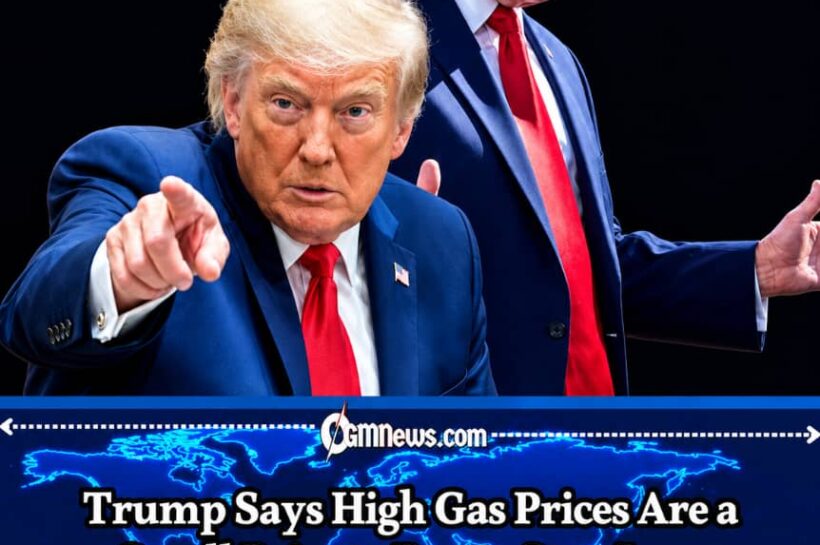




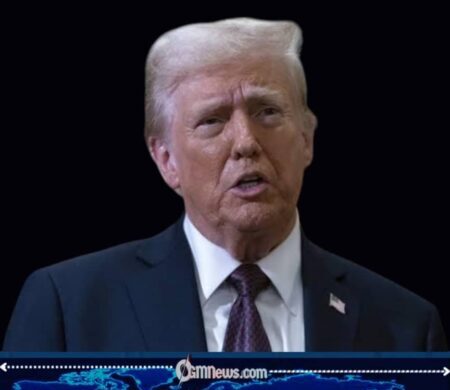
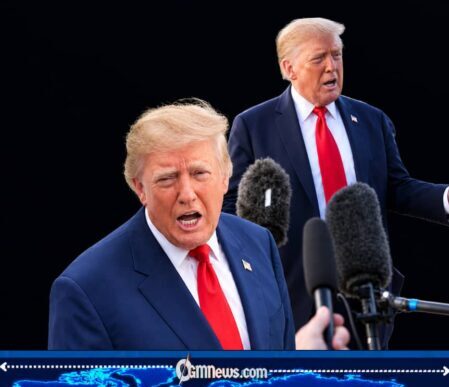
U.S. President Donald Trump, currently serving a second term, has stated that “Project Freedom,” a reported U.S.-led maritime security initiative, has been paused less than 48 hours after its launch. President Donald Trump’s announcement comes at a time of heightened geopolitical tension in the Strait of Hormuz, a critical corridor for global oil shipments and international trade.
President Donald Trump did not provide extensive operational details but indicated that the decision was made in response to evolving circumstances. The statement has immediately drawn attention from analysts, policymakers, and global markets, with many seeking clarity on whether the pause represents a temporary adjustment or a broader strategic shift.
President Donald Trump and the Strategic Context of the Decision
President Donald Trump has consistently emphasized a strong U.S. presence in key global waterways, particularly in regions where trade routes are vulnerable. In this context, the launch of “Project Freedom” was widely interpreted as part of a broader effort to reinforce maritime security and deter potential threats.
However, President Donald Trump’s decision to pause the initiative so soon after its reported launch has raised questions about the underlying strategy. Observers note that such rapid changes can reflect dynamic intelligence assessments, diplomatic considerations, or operational recalibrations.
The administration has not ruled out the possibility of resuming or restructuring the initiative, leaving room for multiple interpretations of the current situation.
Understanding “Project Freedom”: Mission and Operational Scope
“Project Freedom” is believed to refer to a U.S.-backed mission designed to safeguard commercial shipping in the Strait of Hormuz. Although the official naming of the operation has not been consistently confirmed, its objectives align with longstanding U.S. naval practices in the region.
These missions typically involve escorting vessels, maintaining surveillance, and ensuring the uninterrupted flow of energy supplies. Given the strategic importance of the Strait of Hormuz, even limited disruptions or changes to such operations can have far-reaching implications.
The reported pause has therefore attracted significant attention, particularly from stakeholders in the energy and shipping sectors.
Uncertainty Surrounding the Reported Pause
Despite President Donald Trump’s remarks, major international news organizations have yet to fully verify that “Project Freedom” has been formally paused. This lack of confirmation has contributed to uncertainty and speculation about the true status of the initiative.
In complex military operations, pauses or adjustments are not uncommon and may occur for a variety of reasons, including intelligence updates, logistical considerations, or diplomatic efforts. Without official clarification, it remains unclear whether the pause represents a temporary halt or part of a larger strategic adjustment.
The evolving nature of the situation underscores the importance of cautious interpretation and reliance on verified information.
Global Implications: Trade, Energy, and Market Reactions
The Strait of Hormuz serves as a vital artery for global energy supplies, with a significant portion of the world’s oil passing through its waters. Any development affecting security operations in the region can have immediate consequences for global markets.
President Donald Trump’s announcement has already prompted discussions among economists and analysts about potential impacts on oil prices and trade stability. Even unconfirmed reports of operational changes can influence investor sentiment and market behavior.
Countries dependent on energy imports are particularly sensitive to developments in the region, highlighting the broader economic stakes involved.
Strategic Analysis: Balancing Security and Flexibility
President Donald Trump’s approach reflects the broader challenge of balancing a strong security posture with the need for flexibility in a rapidly changing environment. Military operations in sensitive regions often require continuous reassessment to adapt to new information and conditions.
Analysts suggest that the reported pause could be part of a deliberate strategy to manage risk while maintaining readiness. Such decisions are often made behind the scenes and may not be fully explained in public statements.
The situation illustrates the complexities of modern geopolitical strategy, where decisions must account for both immediate threats and long-term stability.
A Developing Story with Global Significance
President Donald Trump’s statement on the pause of “Project Freedom” has introduced a new layer of uncertainty into an already complex geopolitical landscape. While the full details remain unclear, the development highlights the challenges of managing security and diplomacy in a critical global region.
As more information becomes available, attention will remain focused on how the United States navigates its role in ensuring stability in the Strait of Hormuz. The coming days are expected to provide greater clarity on the direction and implications of this reported decision.

Logging in is a breeze and the site stability is amazing even during peak hours....