
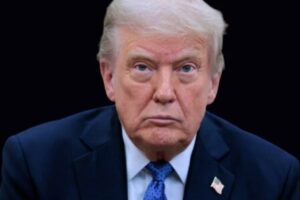





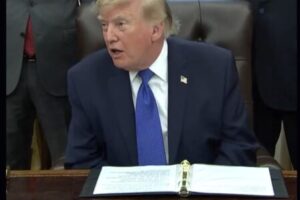





















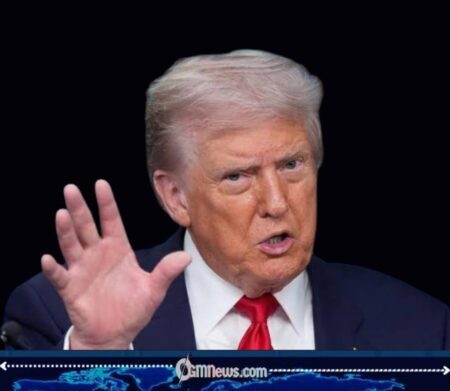
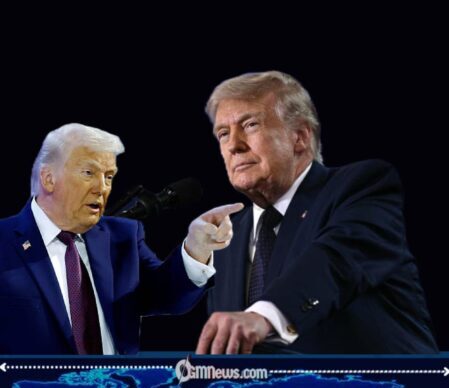
President Donald Trump addressed growing controversy after remarks suggesting he would not object to Russia assisting Iran in targeting U.S. forces, comments that emerged during a tense moment in international relations. President Donald Trump made the statement while discussing the broader geopolitical rivalry tied to the war in Ukraine and escalating confrontations in the Middle East.
The comments immediately sparked debate among political leaders, military analysts, and foreign policy experts who warned that such rhetoric could complicate diplomatic relations and heighten tensions among major powers. The situation is already volatile, with multiple conflicts intersecting across different regions.
At the same time, the news came alongside reports that the United States had lost six service members after a KC-135 aircraft went down during operations connected to the regional conflict. The loss added a somber backdrop to the political debate surrounding the remarks.
President Donald Trump’s Remarks Draw Intense Reaction
President Donald Trump defended his position by arguing that global conflicts often involve complicated strategic dynamics. President Donald Trump suggested that nations frequently respond to perceived alliances and rivalries when determining their military posture.
Political leaders from both parties quickly responded to the remarks, with some expressing concern that statements involving potential cooperation between Russia and Iran against American forces could undermine national security messaging.
President Donald Trump has often framed foreign policy debates through the lens of global power competition, emphasizing how alliances and rivalries influence decisions made by world leaders during conflicts.
Investigation Into Downed KC-135 Aircraft
The loss of the KC-135 aircraft has prompted an immediate investigation by U.S. military officials seeking to determine what caused the incident. The aircraft, which is commonly used for aerial refueling operations, plays a crucial role in supporting long-range missions.
Officials have stated that early information is still being gathered, and investigators are reviewing flight data, communications records, and environmental conditions surrounding the crash. Military aviation accidents typically undergo detailed technical analysis before conclusions are reached.
Families of the service members involved are receiving support from military authorities while the investigation continues. The tragedy has drawn condolences from leaders across the political spectrum.
Geopolitical Tensions and Strategic Rivalries
President Donald Trump argued that the broader geopolitical environment is shaped by overlapping conflicts and alliances involving major powers. President Donald Trump pointed to tensions surrounding Ukraine, NATO expansion, and Middle Eastern security as interconnected challenges facing global diplomacy.
Analysts note that relations between the United States, Russia, and Iran have long been marked by competition and strategic rivalry. These dynamics often intensify during periods of military conflict or economic sanctions.
Observers also warn that statements involving multiple adversarial nations can quickly influence international perceptions and diplomatic negotiations.
Global Reaction and Security Concerns
President Donald Trump’s remarks triggered reactions from international observers who worry that heightened rhetoric could deepen divisions among major global powers. President Donald Trump has frequently used strong language when discussing geopolitical competition.
Diplomats emphasize that public statements from national leaders can carry significant weight in shaping how other governments interpret intentions and policies.
Security experts say that maintaining clear communication between nations remains critical during periods of conflict in order to prevent misunderstandings that could escalate into wider confrontations.
Looking Ahead at the International Landscape
The evolving situation highlights how quickly international politics can become intertwined with military developments and political messaging. Conflicts in one region often influence diplomatic relationships in others.
Government officials continue to monitor developments involving Russia, Iran, and ongoing military operations while also focusing on the investigation into the aircraft crash.
As global tensions remain high, policymakers across multiple countries are weighing how statements, alliances, and strategic decisions could shape the next phase of international relations.
[…] […]