








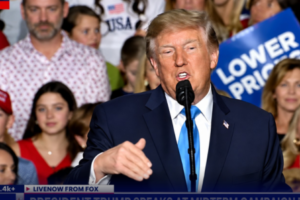

















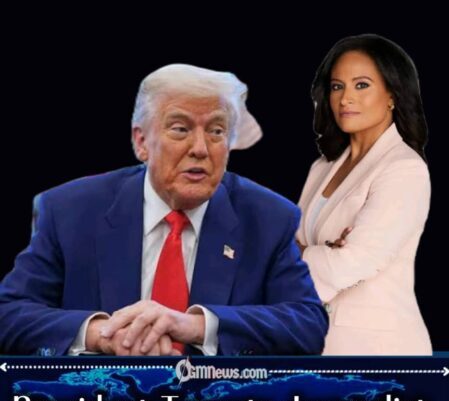
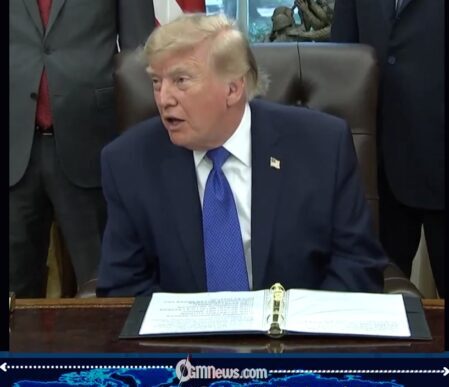
Media Clash erupted during a nationally watched interview after President Donald J. Trump sharply criticized “Meet the Press” moderator Kristen Welker when she challenged his election security claims. What began as a discussion about voting integrity quickly transformed into a contentious exchange, with Trump accusing the veteran journalist of being either “crooked” or “stupid” as tensions escalated on air. The confrontation immediately became one of the most talked-about political moments of the day, drawing reactions from supporters, critics, and media observers alike.
Media Clash became the defining theme of the interview because the disagreement extended beyond the specific election-related questions being discussed. Instead, it highlighted a broader and long-running conflict between Trump and major news organizations. Throughout his political career, the President has frequently accused journalists of unfair coverage, while many reporters have argued that aggressive questioning is an essential part of holding public officials accountable.
A Heated Exchange Over Election Security
The original controversy centered on election security, a subject that has remained politically sensitive for years. During the interview, Welker challenged aspects of Trump’s position, prompting a forceful response from the President.
Within the broader Media Clash debate, supporters argue that Trump is defending himself against what they view as biased questioning from national media figures. Critics counter that personal attacks on journalists distract from substantive policy discussions and shift attention away from the issues being examined. The exchange quickly spread across television broadcasts and social media platforms, amplifying its political impact.
Election Claims and the Media Clash Press Under Pressure
The dispute also reflects the increasingly confrontational relationship between political leaders and journalists in the modern media environment. Interviews that once focused primarily on policy details now frequently become headline-generating confrontations in their own right.
The broader Election Claims discussion remains one of the most divisive topics in American politics. Election officials, lawmakers, advocacy groups, and political leaders continue to debate voting procedures, election administration, and public confidence in the electoral process. These disagreements often place journalists in the middle of highly charged political disputes.
Media analysts note that confrontations between politicians and reporters can energize supporters on both sides. For some viewers, aggressive questioning demonstrates journalistic independence. For others, forceful pushback from elected officials represents resistance to perceived media bias. As a result, such exchanges increasingly become political events themselves rather than merely discussions about public policy.
As reactions continue to unfold, OGM News understands that the latest confrontation is unlikely to be the last. The intersection of politics, media, and election-related debates remains one of the most volatile arenas in American public life. Whether remembered for the policy arguments or the personal criticism, Media Clash has once again demonstrated how quickly a televised interview can become a national political story.

[…] […]