























A fresh political storm swept through Washington after Congressman Thomas Massie openly questioned continued U.S. military assistance to Israel, arguing that American taxpayers should not be compelled to finance overseas military campaigns. His remarks, which highlighted the humanitarian toll of the Gaza conflict, quickly reignited one of the most divisive foreign policy debates in recent years, leaving lawmakers scrambling to explain where they stand while political spectators reached for popcorn instead of policy papers.
Capitol Discovers That Foreign Policy Comes With Receipts
Massie’s comments arrived as Congress debated military assistance to Israel, with the Kentucky lawmaker insisting that the United States should reconsider its financial commitments abroad. In the satirical world of politics, lawmakers suddenly developed advanced calculator skills, counting billions in aid while pretending not to hear the sound of campaign strategists updating election spreadsheets. Behind the jokes, however, the debate reflects genuine divisions over America’s role in international conflicts.
Supporters of continued assistance argued that Israel remains a key strategic ally whose security is closely tied to American interests. Critics, including Massie, countered that humanitarian concerns and the scale of casualties in Gaza deserve greater attention before additional taxpayer funds are approved. The disagreement transformed congressional corridors into a noisy marketplace of competing speeches, carefully crafted press releases, and microphones working overtime.
Taxpayers Become the Most Popular Guests at Every Political Speech
As the discussion intensified, politicians from both major parties found themselves performing impressive political gymnastics—supporting allies while answering growing public questions about accountability and humanitarian consequences. In the satirical version of events, every speech came with invisible subtitles reading, “Please remain calm while we explain something extremely complicated in thirty seconds.”
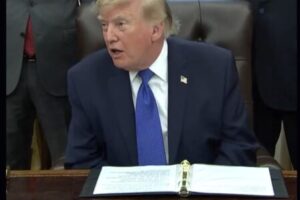
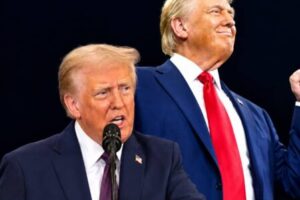
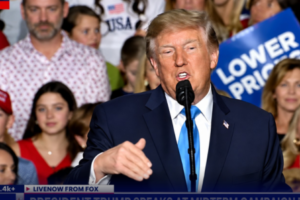
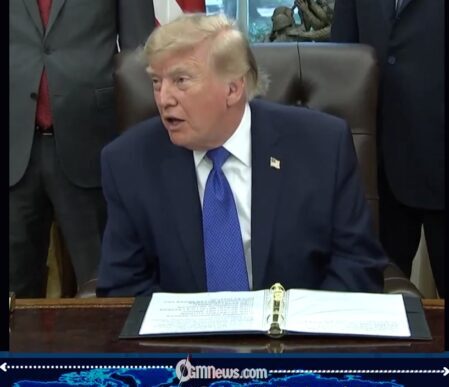
The debate also unfolded under the administration of President Donald J. Trump, whose government continues to support Israel while Congress wrestles with competing priorities surrounding military aid, diplomacy, and humanitarian concerns. Although Massie’s proposal failed in the House, it highlighted changing political attitudes and ensured that discussions over foreign assistance are unlikely to disappear anytime soon.
As arguments continue inside Congress and beyond, the controversy serves as another reminder that foreign policy rarely produces simple answers. OGM News will continue monitoring developments surrounding U.S. military aid, congressional debates, and the broader Middle East situation as this evolving story unfolds.
[…] […]