























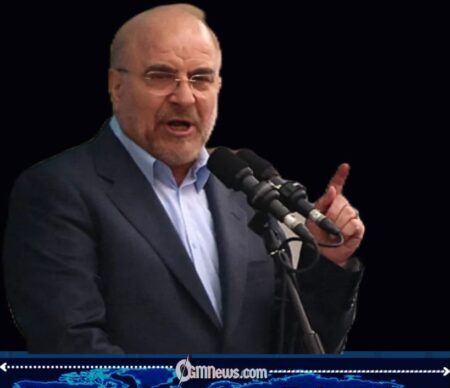
Iran has effectively told the United States that the Strait of Hormuz is not reopening simply because the world is impatiently waiting for ships to move. Iran’s top negotiator, Mohammad Bagher Ghalibaf, said Tuesday that the strategic waterway would remain closed until Washington fulfils Tehran’s conditions under an interim agreement, including lifting the maritime blockade. The demands reportedly also include removing oil sanctions, releasing frozen Iranian assets and ending military threats and operations.
In the latest chapter of the increasingly expensive U.S.-Iran standoff, Hormuz has become less like an international shipping lane and more like the world’s most heavily guarded negotiation table. And, judging by the statements coming from both sides, nobody appears ready to pay the bill first.
Hormuz Becomes the World’s Most Expensive Waiting Room
Ghalibaf’s statement comes after the 60-day window associated with the June U.S.-Iran interim arrangement expired without producing the broader breakthrough that diplomats had hoped for. The agreement was supposed to create room for further negotiations, but disagreements over sanctions, military activity and control of the strategic waterway have instead left the situation frozen.
For global energy markets, this is hardly amusing. The Strait of Hormuz is one of the world’s most important oil transit routes, meaning prolonged disruption can affect crude supplies, shipping costs and fuel prices far beyond the Persian Gulf. Recent shipping data showed crossings remaining in single digits, while oil prices climbed above $90 per barrel amid renewed fears about the conflict.
Washington and Tehran Continue Their Diplomatic Tug-of-War
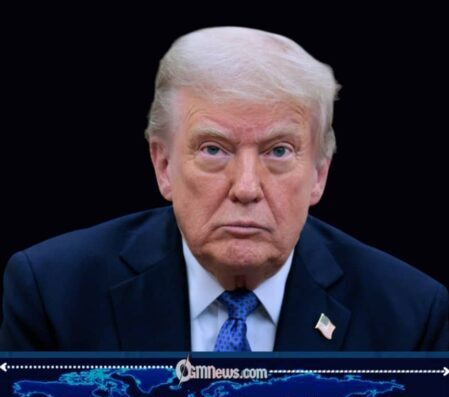
Iran’s position is that the United States must fulfil the outstanding conditions before normal passage can resume. Washington, however, has shown little appetite for simply accepting Tehran’s terms, leaving diplomacy caught somewhere between a peace negotiation and a very expensive argument over who should make the first move. President Donald J. Trump remains the current U.S. president, and his administration has continued applying pressure on Iran while the diplomatic process struggles to regain momentum.
The consequences are already reaching the wider maritime and energy industries. Chinese state-owned shipping companies have reportedly avoided key Middle Eastern chokepoints, including Hormuz, since late July and have resorted to alternative arrangements to move crude. Meanwhile, another vessel was reportedly struck while transiting near Oman’s coast on Tuesday, adding another layer of risk to an already tense maritime environment.
For now, Iran appears determined to keep Hormuz closed until its demands are addressed, while Washington and its partners face growing pressure to find a diplomatic escape route. The great irony is that everybody wants the same waterway reopened, but nobody seems willing to be the first to blink. OGM News NG will continue watching the negotiations, shipping situation and global energy fallout as this high-stakes standoff develops.
[…] […]