












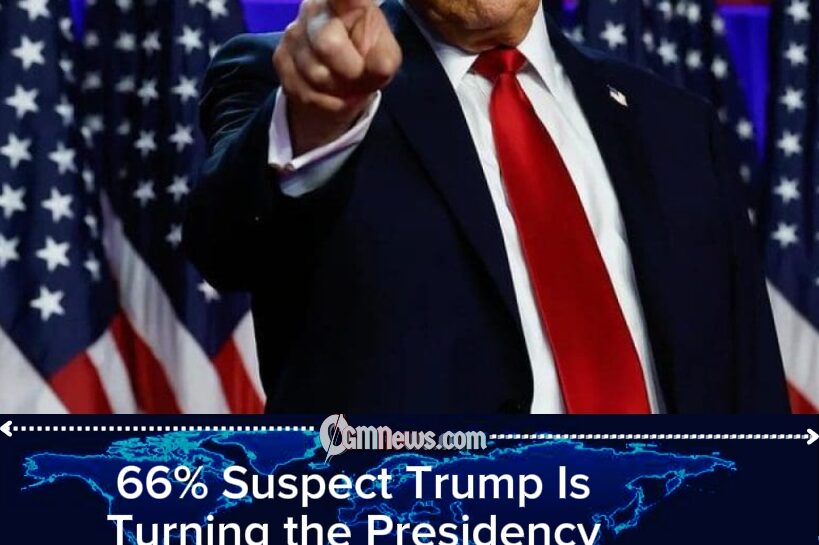




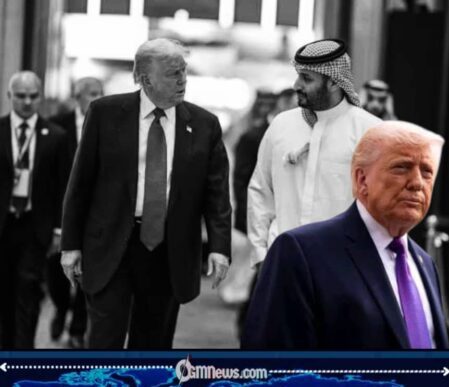
Gulf Allies are reportedly becoming increasingly frustrated with President Donald J. Trump’s handling of the war with Iran, as months of conflict and continued Iranian missile and drone attacks raise concerns across the Persian Gulf. According to The Washington Post, Saudi Arabia, the United Arab Emirates, Qatar, Kuwait and Bahrain are increasingly questioning whether Trump’s administration can successfully navigate the diplomacy required to bring the conflict to an end.
The frustration is particularly significant because these countries have traditionally been among Washington’s most important security partners in the region. They host major American military installations and have relied heavily on U.S. security guarantees. But the continuation of the conflict has reportedly forced governments in the Gulf to reconsider the costs of being closely associated with Washington’s military strategy.
Gulf Allies Increasingly Concerned About Trump’s Strategy
The reported frustration stems partly from Trump’s shifting approach to Iran. The president has repeatedly threatened stronger military action against Tehran before subsequently backing away and pointing to diplomatic progress.
That pattern has reportedly created uncertainty among Gulf Allies, who are caught between supporting Washington and protecting their own territory and populations from Iranian retaliation. Iranian missile and drone attacks have increased the pressure on governments that have American bases or other U.S. military assets on their soil.
The situation creates an uncomfortable calculation for America’s partners: remaining closely aligned with Washington provides security benefits, but it can also make Gulf countries potential targets during a confrontation between the United States and Iran.
U.S. Military Bases Face New Questions
The growing frustration could eventually affect America’s extensive military footprint in the region. Some Gulf governments are reportedly questioning whether continuing to host large U.S. military bases is worth the risks if those installations contribute to making their countries targets during future conflicts.
That would represent a major strategic concern for Washington. American forces in Qatar, Bahrain, Kuwait, the UAE and other regional locations provide critical capabilities for operations across the Middle East.
The reported criticism also highlights a deeper diplomatic problem for Trump. If America’s closest regional partners begin believing that Washington’s strategy is creating more instability than security, rebuilding trust could become increasingly difficult.
One Gulf official reportedly captured the anger in particularly blunt terms: “Trump started this war, and we are paying the price.”
The statement reflects the central dilemma facing the Gulf Allies: they want the protection of the United States, but they also want an end to a conflict that is putting their security, economies and regional stability under increasing pressure.


Navigating through slot games used to feel overwhelming but this login portal makes everything so...