





























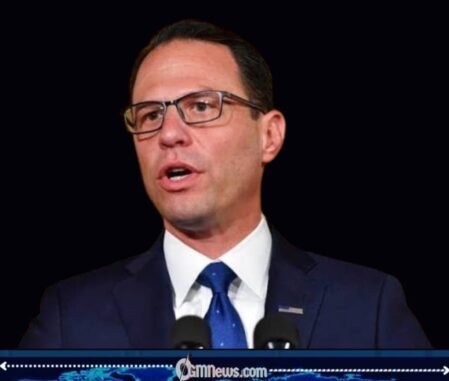
Pennsylvania Governor Josh Shapiro has announced that his administration is doubling state funding for rape crisis centers, describing the move as part of a broader commitment to ensuring survivors of sexual violence receive timely care, counseling, legal advocacy, and other essential support services. The announcement has been widely viewed as a significant policy decision at a time when many community organizations continue to report rising demand for survivor assistance. Around the political arena, the usual chorus of applause, debate, and dramatic commentary arrived right on schedule—as if serious public policy cannot escape becoming another spectator sport.
Governor Shapiro Puts Survivor Services at the Center of State Priorities
Governor Shapiro said the increased funding is intended to strengthen rape crisis centers that provide emergency assistance, trauma counseling, prevention education, and advocacy for survivors across Pennsylvania. Many of these organizations have long argued that existing resources struggle to keep pace with the growing number of people seeking help, particularly in underserved communities. By expanding financial support, the administration says more survivors will have access to critical services without unnecessary delays.
Naturally, the political playbook responded in familiar fashion. While many praised the investment as overdue, others immediately reached for calculators, microphones, and television cameras before reading the details. In modern politics, it sometimes seems every policy announcement is expected to survive a marathon of debates before anyone remembers the people it was actually designed to help.
Governor Shapiro’s Announcement Sparks Broader Conversation
The funding increase has also reignited conversations about how governments should respond to sexual violence beyond criminal prosecution alone. Advocates have consistently emphasized that recovery often depends on long-term counseling, legal support, emergency shelter referrals, and community education programs. Many believe stronger financial backing allows these services to remain available regardless of a survivor’s financial circumstances.
Governor Shapiro’s announcement also serves as a reminder that leadership is often measured not only by speeches but by budget decisions. While political rivals may continue arguing over priorities, survivors and frontline workers are more interested in whether counselors remain available, crisis hotlines continue operating, and support arrives when it is needed most. Sometimes the loudest statement in politics is not made at a podium but written into a budget.
Governor Shapiro’s decision to double funding for rape crisis centers represents a significant policy move aimed at expanding support for survivors and strengthening essential community services. Whether the initiative becomes a model for other states remains to be seen, but it has already sparked important conversations about public responsibility and victim support. Stay with OGM News for further developments and continuing coverage of this story.



Casinoabc999? Good Site. The interface is sleek, and there is a lot of stuff to...