












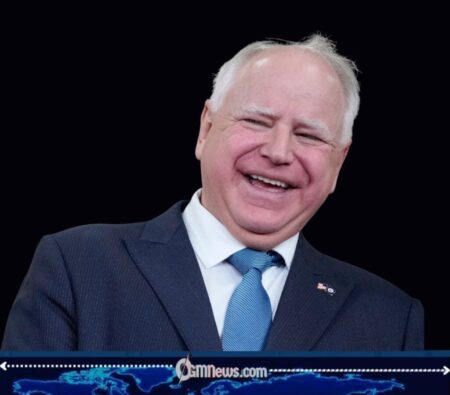
Gov. Tim Walz is set to face impeachment hearings beginning next week in Minnesota, marking a significant political moment that has drawn attention across the state and beyond. The proceedings are expected to examine a range of allegations and decisions tied to his administration, with lawmakers preparing for what could become a highly scrutinized process.
The announcement of the hearings has already intensified political debate, with supporters and critics offering sharply different perspectives on the situation. For some, the hearings represent an essential step in accountability, while others view them as politically motivated.
As preparations continue, attention is focused on how the hearings will unfold and what evidence will be presented. The outcome could have lasting implications for both Walz’s political future and the broader political landscape in Minnesota.
Background and Key Allegations
Gov. Tim Walz has found himself at the center of controversy following a series of developments that prompted calls for impeachment. Lawmakers involved in initiating the process have pointed to specific concerns they believe warrant formal review.
While details of the allegations continue to emerge, they are expected to form the basis of the hearings, with both sides preparing to present their arguments. The process will likely involve testimony, documentation, and extensive debate.
Political analysts suggest that the nature of the allegations will play a critical role in shaping public opinion and determining the trajectory of the proceedings.
Gov. Tim Walz and Political Stakes
Gov. Tim Walz enters the hearings facing significant political pressure, as the impeachment process places his leadership and decision-making under intense scrutiny. The stakes are high, not only for his administration but also for his standing within the state’s political system.
The hearings could influence future elections and reshape alliances within Minnesota politics, depending on how events unfold. Lawmakers on both sides are aware of the broader implications of their positions.
Observers note that impeachment proceedings often extend beyond the immediate issues, becoming a reflection of deeper political divisions and competing visions for governance.
Legislative Process and Next Steps
Gov. Tim Walz will be subject to a formal legislative process that includes structured hearings, evidence presentation, and deliberation by lawmakers. The process is designed to ensure that all relevant factors are carefully considered.
Committees involved in the hearings are expected to outline procedures and timelines, providing a framework for how the proceedings will be conducted. Transparency and adherence to established rules will be key elements.
The next steps following the hearings will depend on the findings and decisions made during this phase, with potential outcomes ranging from dismissal of charges to further legislative action.
Public Reaction and Political Debate
Gov. Tim Walz has become a focal point of public discussion, with reactions varying widely among different groups. Supporters have rallied in his defense, while critics have called for accountability through the impeachment process.
Media coverage has amplified the debate, highlighting key arguments from both sides and shaping public perception of the situation. The intensity of the discussion reflects the significance of the issue.
Public opinion may continue to evolve as more information becomes available, making the hearings a dynamic and closely watched event.
Gov. Tim Walz faces an uncertain path forward as the impeachment hearings approach, with potential outcomes that could significantly impact his political career. The coming weeks are expected to be critical in determining the direction of the proceedings.
Lawmakers and observers alike will be watching closely to see how the evidence is presented and how the arguments unfold. The process is likely to attract sustained attention both within Minnesota and nationally.
Ultimately, the hearings represent a pivotal moment, with implications that extend beyond the immediate case to broader questions about governance, accountability, and political leadership.

Logging in is a breeze and the site stability is amazing even during peak hours....